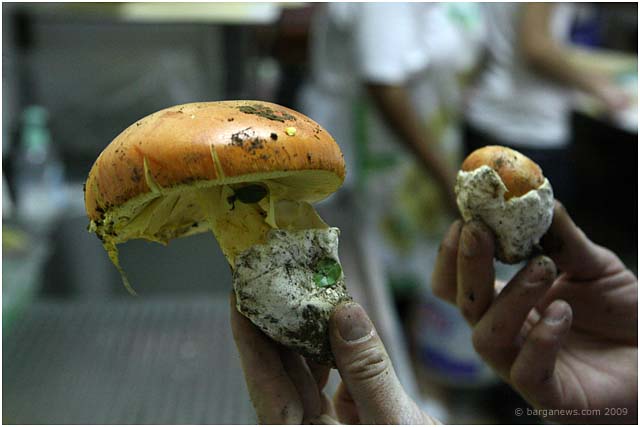
 The funghi season just keeps on getting better and better. This afternoon some highly sought after wild mushrooms known as Amanita Caesarea were brought into the city.
Once again it was the L’osteria in Piazza Angelio that had them on their menu by this evening. It would seem that Riccardo from the L’Osteria is fast turning Piazza Angelio, in Barga Vecchia into the mecca of mushroom eaters.
Amanita caesarea was first described by Italian mycologist Giovanni Antonio Scopoli in 1772 as Agaricus caesareus, before later being placed in Amanita by Persoon. The common name comes from its being a favourite of the Roman emperors. In Italian, it is ovolo (pl. ovoli), due to its resemblance to an egg when very young. In this area they are known as “Coccore”
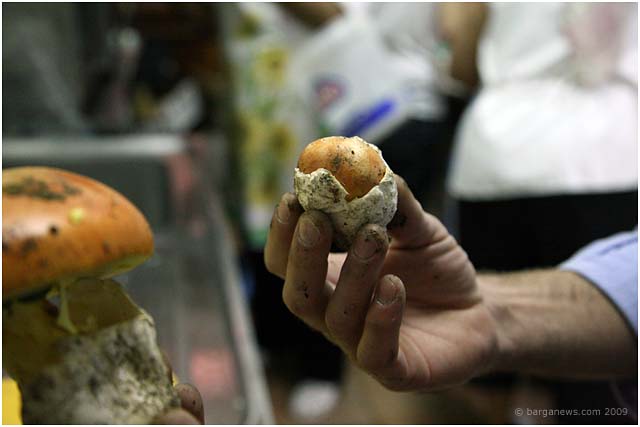
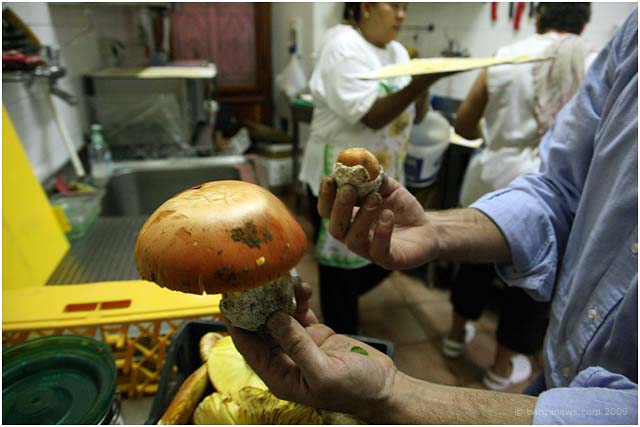
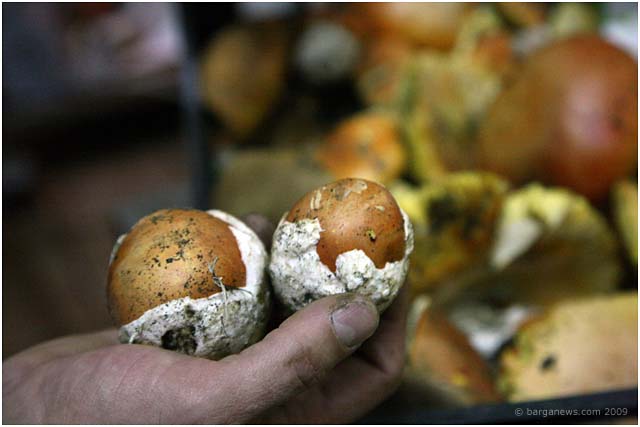
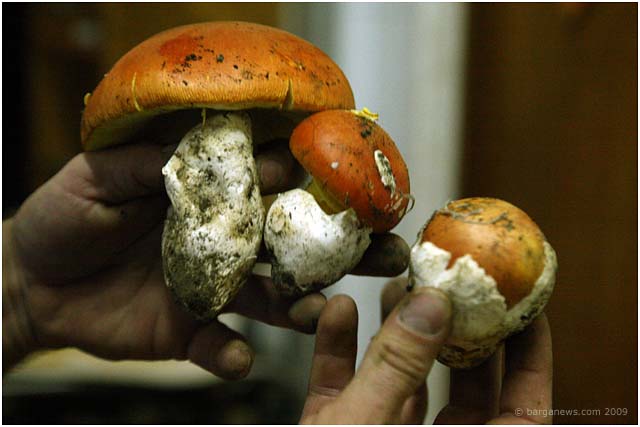
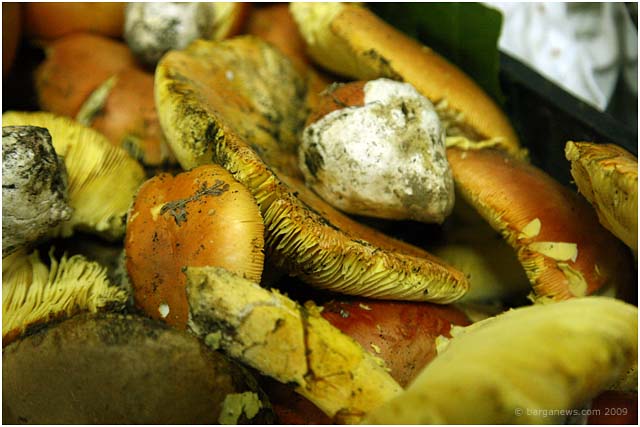
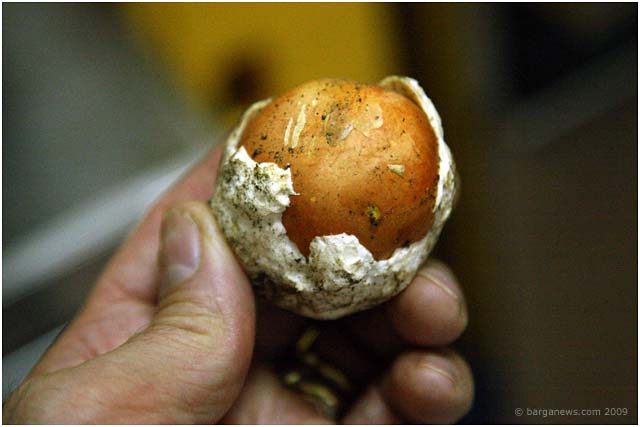
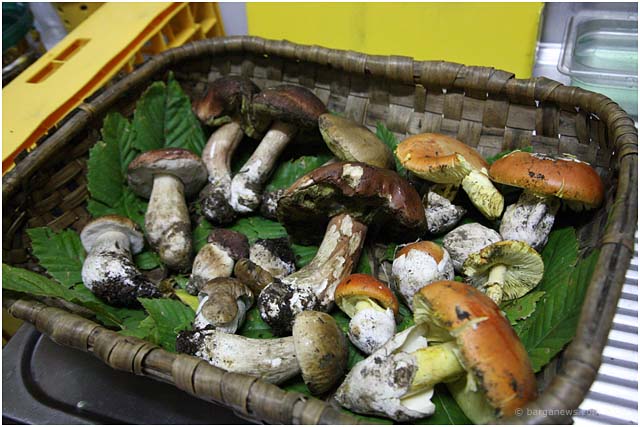
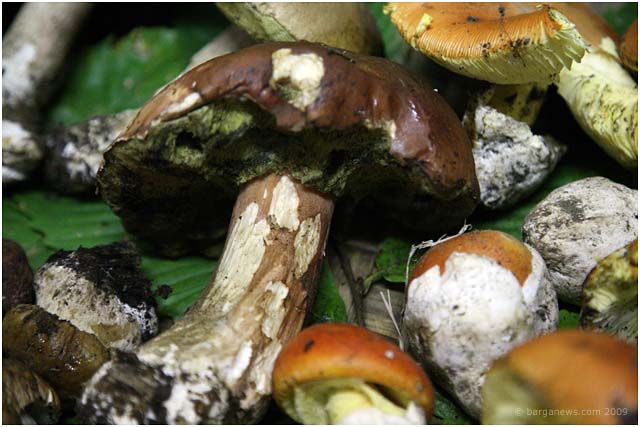
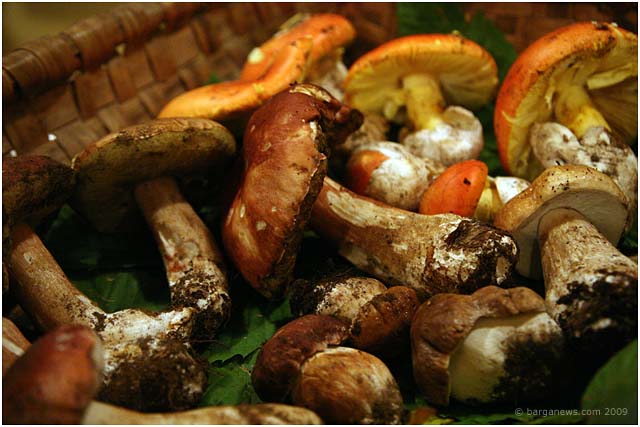
It is remarkable that this highly prized, edible species should belong to the same group as the most toxic mushrooms such as the Death cap, the Destroying angel and can sometimes be confused with the poisonous fly agaric (Amanita muscaria), which has a red cap dotted with white warts, though these have been known to have been washed off after heavy rain.
The cap of Amanita caesarea is 50 – 140 (-190) mm wide, bright orange-red to a duller orange, often becoming more or less paler at maturity, hemispherical then plano-convex, smooth, shiny, somewhat viscid, with a rather short-striate margin (10 – 30% of the radius). The volva is present as large thick white patches. The flesh is white, yellow just below the cap skin, and 20 mm thick above the stem.
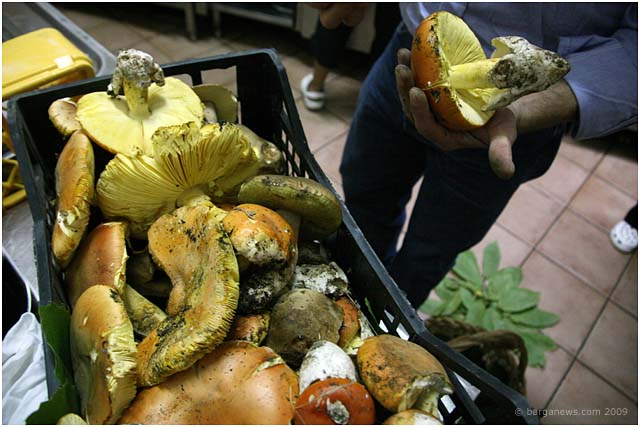
The gills are free, 7 – 16 mm broad, yellow, sometimes forked at the margin, with a subflocculose margin. The short gills are attenuate to truncate, plentiful.
The stem is 60 – 130 × 15 – 25 mm, cylindric or enlarging downward, yellow, smooth below the ring, and slightly striated above. The ring is ample, thick, membranous, yellow, slightly striated on the upper side, felted on the lower side. The volva is up to 60 mm tall, saccate, ample, up to 4 or 5 mm thick, connected to the stem only at the base, remote from the stem, membranous, rather tough, white on the outer surface, white or tinted orange on the inner surface except at the point of contact with the stem where it is yellow. The internal limb is placed rather high on the inner surface of the volva. The flesh is firm, stuffed in the middle with cottony material, and yellow. – source