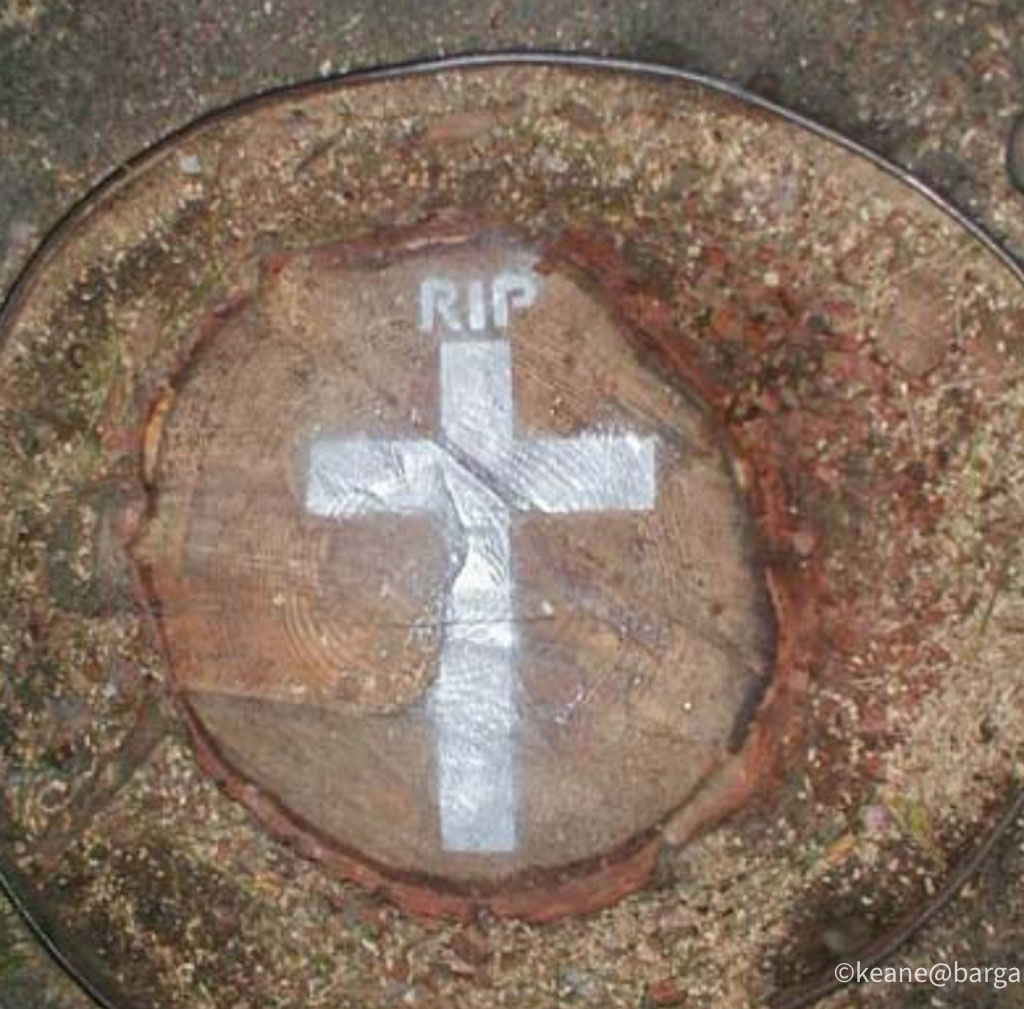
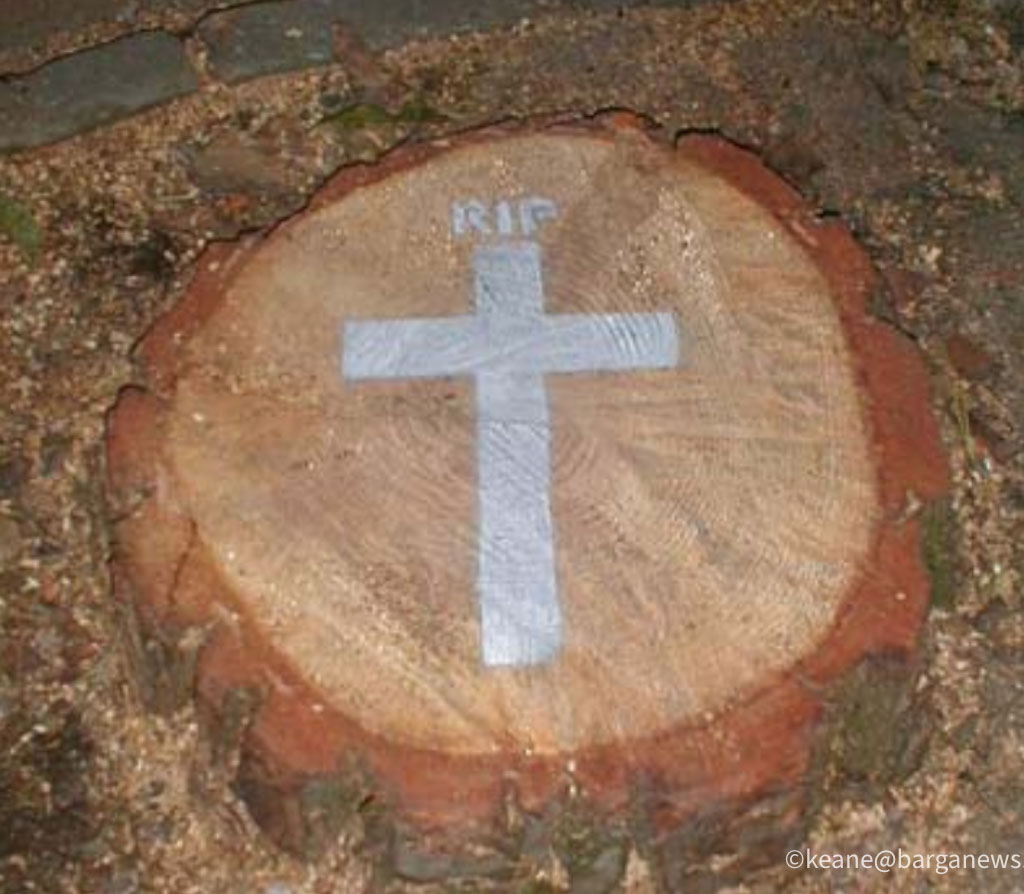
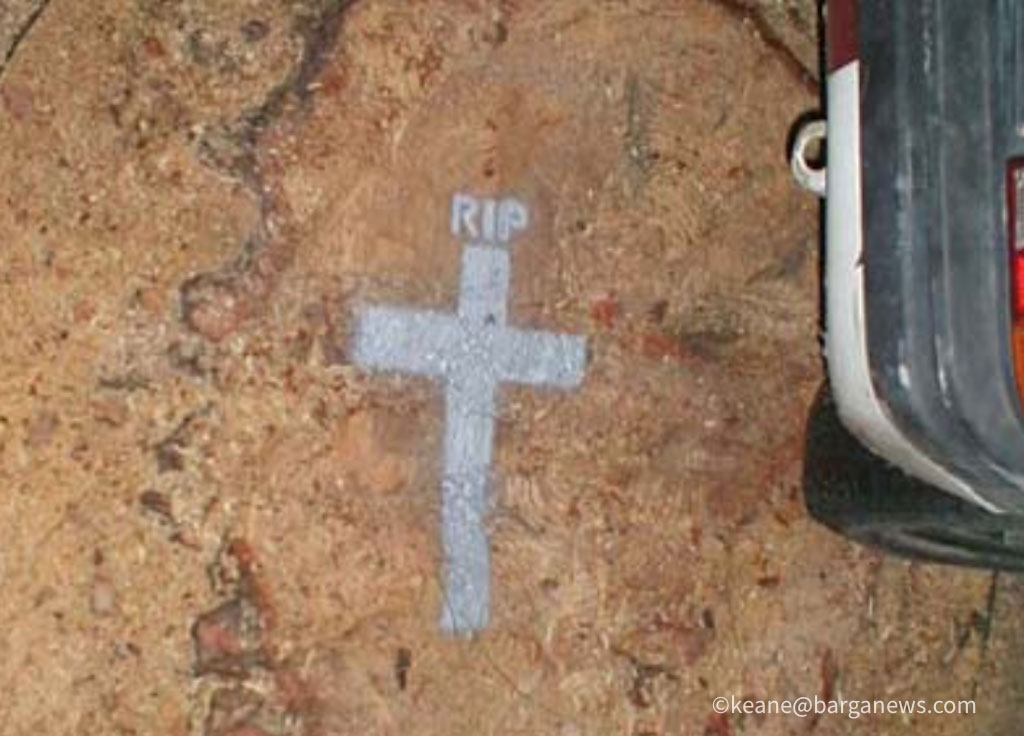
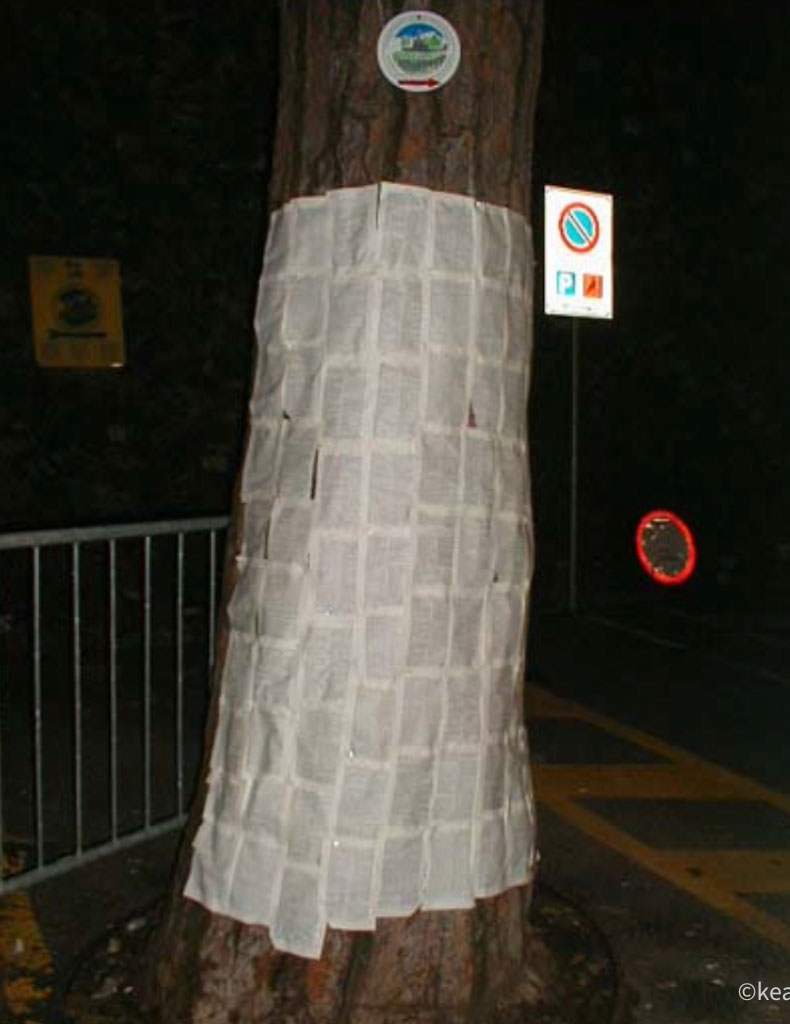
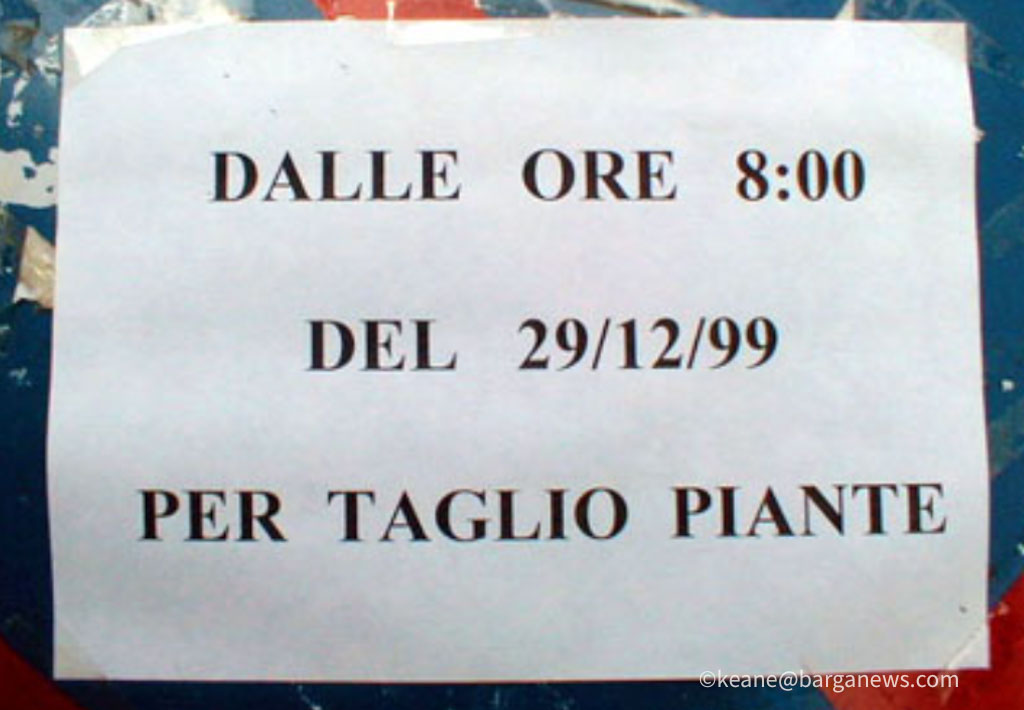
An email arrived in the offices of barganews this morning from a certain “Beppe di Frullino”
Era dal 1998 che non tornavo a Barga.
Uscii al casello di Barga Sud della Lucca-Modena ma sul momento non riuscii a capire con precisione dove mi trovassi: c’era un gran traffico, anche pesante, e la strada era larga, diritta e fiancheggiata da grandi capannoni, alcuni dei quali provvisti di ciminiere vomitanti fumi di ogni tipo. Il cartello ‘Zona Industriale Frascone’ mi permise un primo orientamento: stavo guidando dove, un tempo, si stendeva un grande pascolo fiancheggiante il fiume Serchio, punteggiato qua e là da vigneti, pecore e alcune piccole case di pietra.
Mi incolonnai così assieme a una gran varietà di pullman turistici, stupendomi di come fosse diventata agevole la strada che mi doveva condurre fino al grande cedro del Giardino: appena superati i primi tornanti, il panorama si apriva e l’occhio poteva spaziare fino al Duomo, in quanto i numerosi alberi (platani secolari, ippocastani e quant’altro) che la fiancheggiavano non c’erano più: erano stati sostituiti con degli alberelli stenti, magri e bassi, che sicuramente non potevano nuocere alle grandi sagome multicolori dei bus a due piani. Il sole rammolliva impietosamente l’asfalto come in certi film ambientati nei deserti americani.
Ad un certo punto giunsi ad una rotatoria, al cui centro c’era una graziosa aiuola, e faticai non poco a rendermi conto che si stendeva dove un tempo si ergeva il grande cedro.
Girai verso destra, in direzione del parcheggio che era stato ricavato dal vecchio Parco Bruno Buozzi. Come Dio volle trovai posto, e mi accinsi al compito che mi ero proposto, cioè una visita ai luoghi nei quali avevo passato buona parte della mia esistenza.
Mi incamminai così lungo il viale del parcheggio, dove ormai non c’erano più alberi, ad eccezione di qualche piccolo e triste arbusto con la chioma acconciata a cilindro, o a cono, a seconda dei casi: solo marciapiedi pavimentati di materiale rosaceo, panchine di ferro stile liberty, e turisti di ogni nazionalità.
Arrivato al vecchio ponte di pietra, notai subito il grande cartello con la dicitura ‘Barga città più verde d’Italia’: era affisso sul muraglione che sosteneva le prime case, costruito per fronteggiare la tendenza a franare del pendio, emersa dopo l’abbattimento totale di tutti gli alberi .
Più in alto, si ergeva la mole maestosa del ponte più grande, quello di cemento armato: i tre grandi alberi situati tra i due ponti non c’erano più. Ricordai per alcuni minuti le sensazioni piacevoli che si potevano sperimentare al loro cospetto, in ogni stagione; qualcuno, a suo tempo, mi aveva anche narrato che avevano salvato la vita a due persone che, scivolate giù, si erano aggrappate alle loro generose chiome, attutendo in qualche modo la caduta.
Proseguii imboccando il vialetto che conduceva verso l’antico acquedotto, costeggiando il parco giochi con la grande fontana, spesso ghiacciata in inverno. Ebbi modo di ammirare nuovamente la stessa pavimentazione rosacea del parcheggio nel grazioso vialetto che scorreva tra piccole aiuole: se non fossi stato sicuro dei miei ricordi, avrei potuto anche pensare che gli alberi secolari e lo stretto viottolo che ricordavo non fossero mai esistiti se non nella mia fantasia.
Cominciavo a sudare a causa del sole, ed ero tormentato da numerosi insetti. Pregustavo la buona acqua della fontanella, ma dovetti rinunciarvi, dato che il rubinetto era stato tolto, e un cartello recava la dicitura ‘acqua non potabile’.
Passato l’acquedotto, superai la salita e girai a destra verso Porta Macchiaia, con l’intenzione di ristorarmi alla vista dei grandi alberi che si stendevano in direzione dell’ex Istituto Alberghiero, dimora di scoiattoli e uccelli di ogni tipo. Trovai un posto libero al muretto, tra le numerose persone che scattavano fotografie, oppure si ristoravano bevendo dalle loro bottigliette di acqua minerale, e alzai gli occhi: gli alberi non c’erano più, al loro posto c’era un altro muraglione, in cima al quale svettava la vecchia scuola ora trasformata in residence. Proprio al centro della parete di calcestuzzo campeggiava un altro grande cartello che diceva ‘Barga città più bella tra le piccole città d’Italia’.
Ripresi il mio cammino, con l’intenzione di seguire i numerosi gruppi turistici che affrontavano la ripida salita verso il Duomo, guidati da una babele di spiegazioni in tutte le lingue, ma ebbi la sensazione che, alla mia destra, mancasse qualcosa, così deviai.
Mi diressi verso l’incrocio con Via della Fontana, e scoprii così che l’antico e maestoso cedro non c’era più: ma proprio più, neanche il ceppo. Incredulo, avanzai, e scoprii che non c’era più neanche il noce: al loro posto c’era un ameno giardinetto lastricato, inondato spietatamente dal sole e arredato con pezzetti di tronco svuotati ed usati a mo’ di vasi contenenti ogni sorta di fiorellini colorati.
Poiché mi pareva che anche più in su, verso la Piazzetta Verzani, mancasse qualcosa, salii gli ampi e bassi scalini di Via della Misericordia. Quando giunsi nella piazza, constatai che erano sopravvissuti solo alcuni cipressi, presumo perché più ‘turistici’ delle foreste tipiche della nostra zona. La cosa più incredibile, però, era che non c’erano più i pini! Quei grandi pini centenari e ombrosi erano spariti, e al loro posto c’era una linda piazzetta con l’immancabile pavimentazione rosacea e i vasini di fiori. Due tisici arbusti sorretti da stecchi tentavano di fare ombra come potevano, ma era impresa troppo gravosa per le loro forze.
Nonostante il grande caldo, e gli insetti che mi pungevano, decisi di proseguire verso il Duomo.
Quando arrivai in cima ero senza fiato, ma non per il caldo: il cedro che fiancheggiava il Duomo era sparito anche lui, e al suo posto c’era una struttura di alluminio e vetro; incuriosito, mi avvicinai e tentai di farmi largo tra una gran quantità di orientali in calzoni corti muniti di mostruose macchine fotografiche. Quando giunsi in prossimità delle lastre trasparenti, scoprii che dentro c’era un plastico: rappresentava, con dovizia di particolari, la città di Barga, ma com’era stata fino a pochi anni prima, immersa nel verde e circondata dai suoi bellissimi alberi; addirittura, si vedevano anche i due enormi platani che proteggevano Porta Reale, dei quali non c’era più traccia in quanto erano state rimosse anche le radici e l’intera zona era stata asfaltata, come se gli autori stessi si fossero resi conto dell’enormità del loro gesto e avessero tentato di farne scomparire il ricordo. Davanti alla struttura c’era una graziosa scritta eseguita con i fiorellini, che recitava ‘Com’eravamo’.
Solo a questo punto mi accorsi della presenza di un ascensore pubblico, che utilizzai per arrivare al livello di Piazza Angelio. Percorsi la galleria fortemente illuminata che portava nella Piazza, immaginando che almeno lì, nel cuore di Barga Vecchia, fosse rimasto qualcosa di bello.
La prima cosa che mi colpi, oltre alla folla, è che non c’erano più le auto dei residenti. Osservando le targhe alle porte, che indicavano uffici di vario tipo e affittacamere, capii che erano spariti anche i residenti (ad eccezione di quelli di lusso), e Barga si avviava a diventare un museo, come tutte le città che perdono gli abitanti e, con essi, la vita.
Un certo trambusto a un lato della piazza attirò la mia curiosità; mi avvicinai, e vidi un individuo male in arnese, con i capelli biondi a spazzola e la pelle chiarissima, visibilmente ubriaco. Stava vomitando improperi in inglese all’indirizzo di un folto gruppo di turisti cinesi; con la mano destra brandiva un boccale di birra scheggiato, che ondeggiava con fare minaccioso. I turisti non parevano per niente impressionati, anzi: ridevano tra loro, scattavano all’uomo una gran quantità di fotografie e lo riprendevano con le loro telecamere portatili. Si girò verso di me, ed ebbi l’impressione di averlo conosciuto, a suo tempo; mi guardò per un attimo sotto le palpebre semichiuse, poi agitò in modo incerto il boccale rotto nella mia direzione. Mi affrettai ad allontanarmi.
Arrivai così alla fine del mio viaggio: tanti anni prima, io avevo abitato lì, e molti ricordi piacevoli mi stavano tornando alla memoria. Ero fiducioso che almeno la mia vecchia casa non avesse subito troppi mutamenti.
Mi affacciai nel vicolo, ma al posto delle vecchie cantine con le porte di castagno c’erano tanti piccoli negozietti: non capivo bene che cosa vendessero, le insegne recavano scritte come ‘Casa dell’Arte’ ‘Il Vecchio Stile’ ‘L’Antico Pastore’, o cose simili.
Alzai gli occhi verso il tetto: era stato completamente rifatto, e i nidi delle rondini non c’erano più. Ricordai con rimpianto le numerose famiglie di rondini che ogni anno tornavano a pochi metri dalle mie finestre: con il tempo, avevano imparato a non temermi, e avevo passato molto del mio tempo libero osservando il loro agitarsi ed ascoltando i loro concerti, tutte in fila sul cordino per stendere i panni.
Solo ora mi accorsi che nel cielo non c’erano le rondini, e neppure nessun altro tipo di uccello.
Neppure uno.
Beppe di Frullino

|
|

|

|

I hadn’t been back to Barga since 1998.
I came off at the Barga Sud exit on the Lucca–Modena motorway, but at first I couldn’t quite understand where I was. There was heavy traffic, even lorries, and the road was wide, straight, and lined with large warehouses, some of them fitted with chimneys belching every kind of smoke. The sign “Zona Industriale Frascone” gave me my first point of reference: I was driving through what had once been a vast pasture stretching along the River Serchio, dotted here and there with vineyards, sheep, and a few small stone houses.
I joined the queue of a great variety of tourist coaches, amazed at how easy the road had become — the road that would lead me to the great cedar of the Giardino. Just past the first bends, the view opened up and the eye could sweep all the way to the Duomo, because the many trees that once lined the road (century-old plane trees, horse chestnuts and so on) were gone. They had been replaced by spindly, skinny saplings, surely no threat at all to the large multicoloured silhouettes of the double-decker buses. The sun was softening the tarmac mercilessly, like in certain films set in the American desert.
At a certain point I reached a roundabout, with a pretty flowerbed in the middle, and only with difficulty did I realise that it stood where the great cedar once rose.
I turned right, towards the car park created out of the old Parco Bruno Buozzi. By the grace of God I found a space, and set about the task I had set myself: a visit to the places where I had spent a good part of my life.
I walked along the avenue of the car park, where there were no longer any trees except for a few small, sad shrubs trimmed into cylinders or cones, depending on the case: only pavements of pinkish paving, wrought-iron benches in a sort of liberty style, and tourists of every nationality.
When I reached the old stone bridge, I immediately noticed the large sign reading “Barga, greenest city in Italy”. It was fixed to the retaining wall supporting the first houses — a wall built to counter the tendency of the slope to collapse after the complete removal of all the trees.
Higher up stood the imposing bulk of the larger bridge, the reinforced-concrete one: the three large trees between the two bridges were gone. I spent a few minutes remembering the pleasant sensations one could experience in their presence, in every season; someone had once told me they had even saved the lives of two people who, slipping down, had grabbed their generous branches, which had somehow broken their fall.
I continued along the path that leads towards the ancient aqueduct, skirting the playground with the great fountain — often frozen in winter. Again I was able to admire the same pinkish paving from the car park, now spread along the pretty walkway that wound between small flowerbeds: had I not been certain of my memories, I might have thought the ancient trees and the narrow little lane I remembered had never existed except in my imagination.
I was beginning to sweat in the sun, tormented by insects. I looked forward to the good water of the little fountain, but had to give up: the tap had been removed and a sign read “non-potable water”.
Past the aqueduct, I climbed the slope and turned right towards Porta Macchiaia, intending to refresh myself in the shade of the great trees that once stretched towards the former Hotel School — home to squirrels and birds of every kind. I found a place free on the low wall among the many people taking photographs or refreshing themselves with their bottles of mineral water. I looked up: the trees were gone. In their place stood another high retaining wall, on top of which rose the old school, now converted into a residence. Right in the centre of the concrete wall hung another large sign: “Barga, most beautiful of Italy’s small cities”.
I resumed walking, planning to follow the many tourist groups climbing the steep steps to the Duomo, guided by a babel of explanations in every language. But I felt something missing to my right, so I turned off.
I headed for the junction with Via della Fontana and discovered that the ancient, majestic cedar was gone — gone completely, not even a stump. Disbelieving, I went on and discovered that the walnut tree was gone too. In their place was a pleasant little paved garden, mercilessly flooded with sunlight, furnished with hollowed-out pieces of trunk used as pots holding every sort of colourful flower.
Since it seemed that something was also missing further up, towards Piazzetta Verzani, I climbed the broad, shallow steps of Via della Misericordia. When I reached the square, I saw that only a few cypresses had survived — presumably because they were more “touristic” than the native woodland of our area. The most incredible thing, however, was that the pines were gone. Those big, shady, century-old pines had vanished, replaced by a tidy little square with yet more pink paving and more little flower pots. Two sickly shrubs, propped up by sticks, tried to cast a bit of shade, but the task was far beyond their strength.
Despite the heat and the biting insects, I decided to continue to the Duomo.
When I finally reached the top, I was out of breath — not because of the heat. The cedar that had stood beside the Duomo was gone too, replaced by a structure of aluminium and glass. Curious, I moved closer, squeezing my way past a crowd of Asian tourists in shorts, armed with monstrous cameras. When I reached the transparent panels, I discovered a scale model inside: a miniature of Barga as it had been only a few years earlier — surrounded by greenery and its beautiful trees. You could even see the two enormous plane trees that once protected Porta Reale, of which no trace now remained: even the roots had been removed and the entire area asphalted, as though the very authors of the deed had realised the enormity of what they had done and tried to obscure its memory. In front of the structure, a pretty inscription made of flowers read “How we were”.
Only then did I notice the presence of a public lift, which I used to descend to Piazza Angelio. I walked through the brightly lit gallery leading into the piazza, imagining that at least here, in the heart of Barga Vecchia, something beautiful might remain.
The first thing that struck me — besides the crowd — was that the residents’ cars were gone. Looking at the signs on the doors, indicating offices of various kinds and guesthouses, I realised that the residents too had disappeared (except for the more affluent). Barga was on its way to becoming a museum, like all cities that lose their inhabitants — and with them, life itself.
A commotion at one side of the piazza caught my curiosity. I went closer and saw a rather scruffy man with blond bristly hair and very pale skin, visibly drunk. He was shouting English curses at a large group of Chinese tourists, brandishing a chipped beer mug in a threatening manner. The tourists didn’t seem the slightest bit intimidated; on the contrary, they laughed among themselves, took countless photos of the man, and filmed him with their little video cameras. He turned towards me and I had the impression I had once known him. He looked at me briefly from under half-closed eyelids, then waved the broken mug vaguely in my direction. I hurried away.
I had reached the end of my journey: many years earlier, I had lived here, and many pleasant memories were returning to me. I was hopeful that at least my old house had not changed too much.
I peeked into the alley, but instead of the old cellars with their chestnut-wood doors, there were many little shops. I couldn’t quite understand what they were selling. Their signs bore names like “House of Art”, “Old Style”, “The Ancient Shepherd”, and similar things.
I looked up at the roof: it had been completely redone, and the swallows’ nests were gone. I remembered, with regret, the many families of swallows that returned every year to within a few metres of my windows. Over time they had learnt not to fear me, and I had spent much of my free time watching their bustling movements and listening to their concerts, all perched in a row on the clothes-line wire.
Only then did I realise that there were no swallows in the sky — nor any other kind of bird.
Not a single one.
Beppe di Frullino