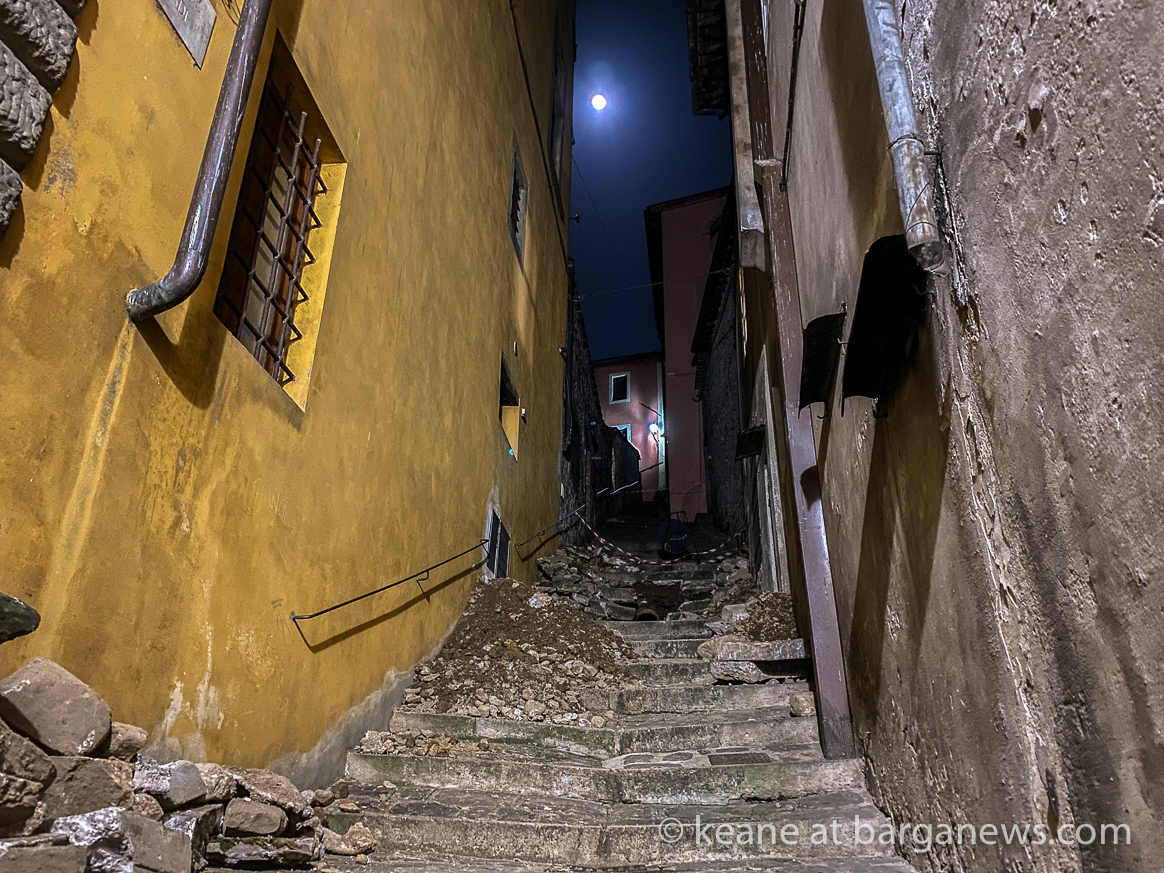
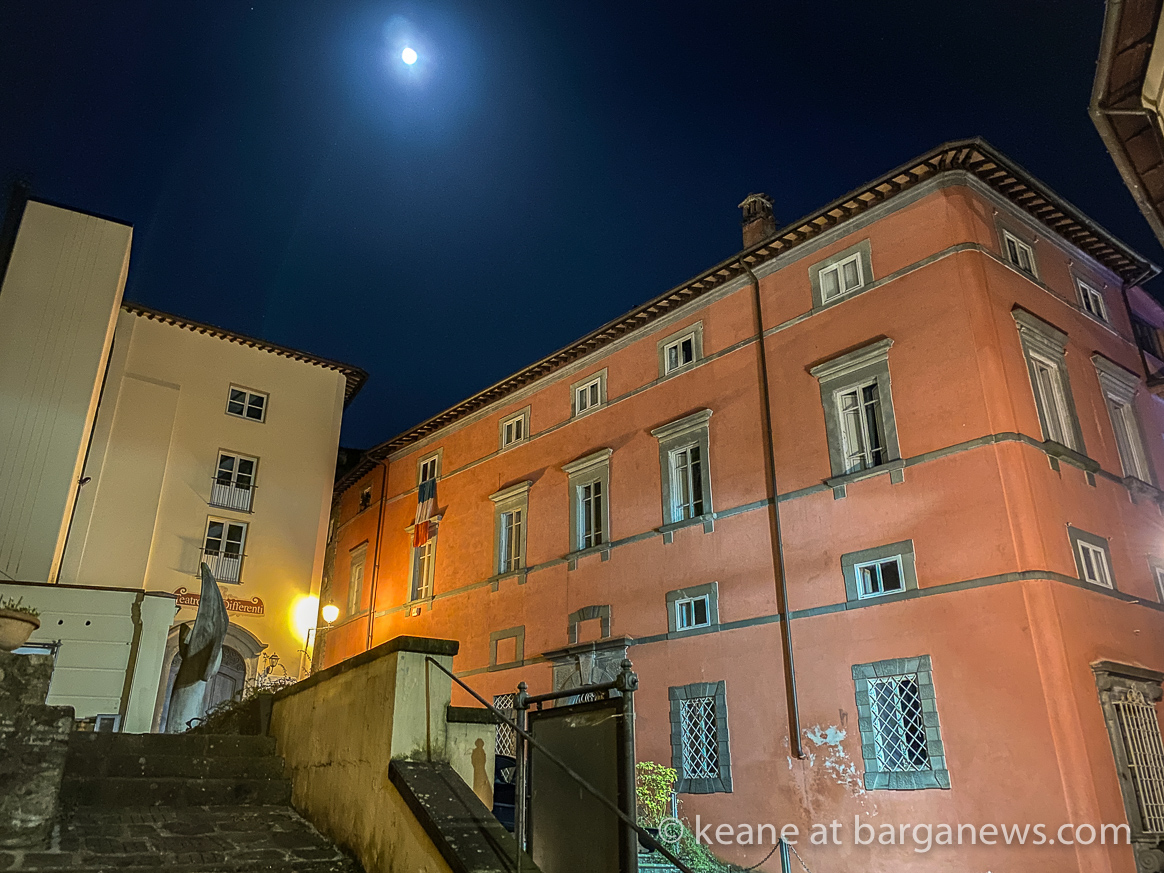
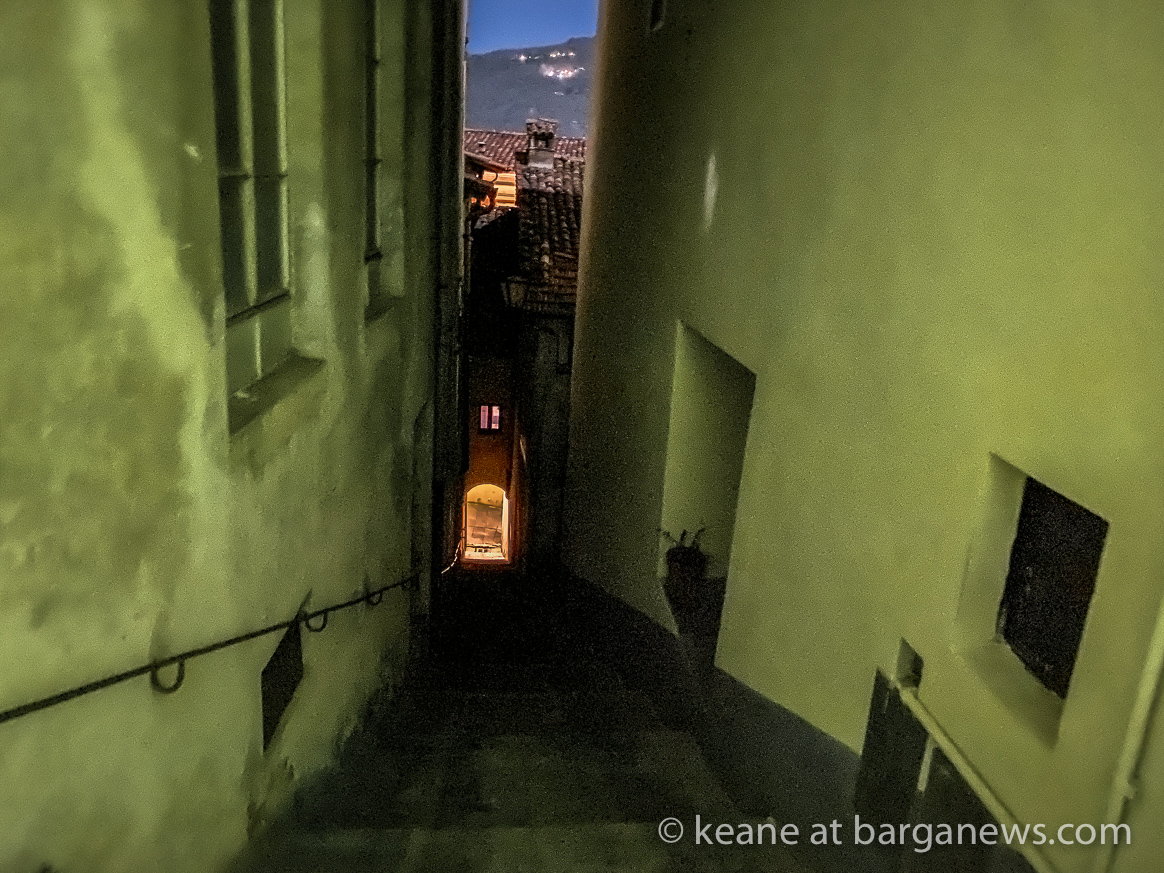
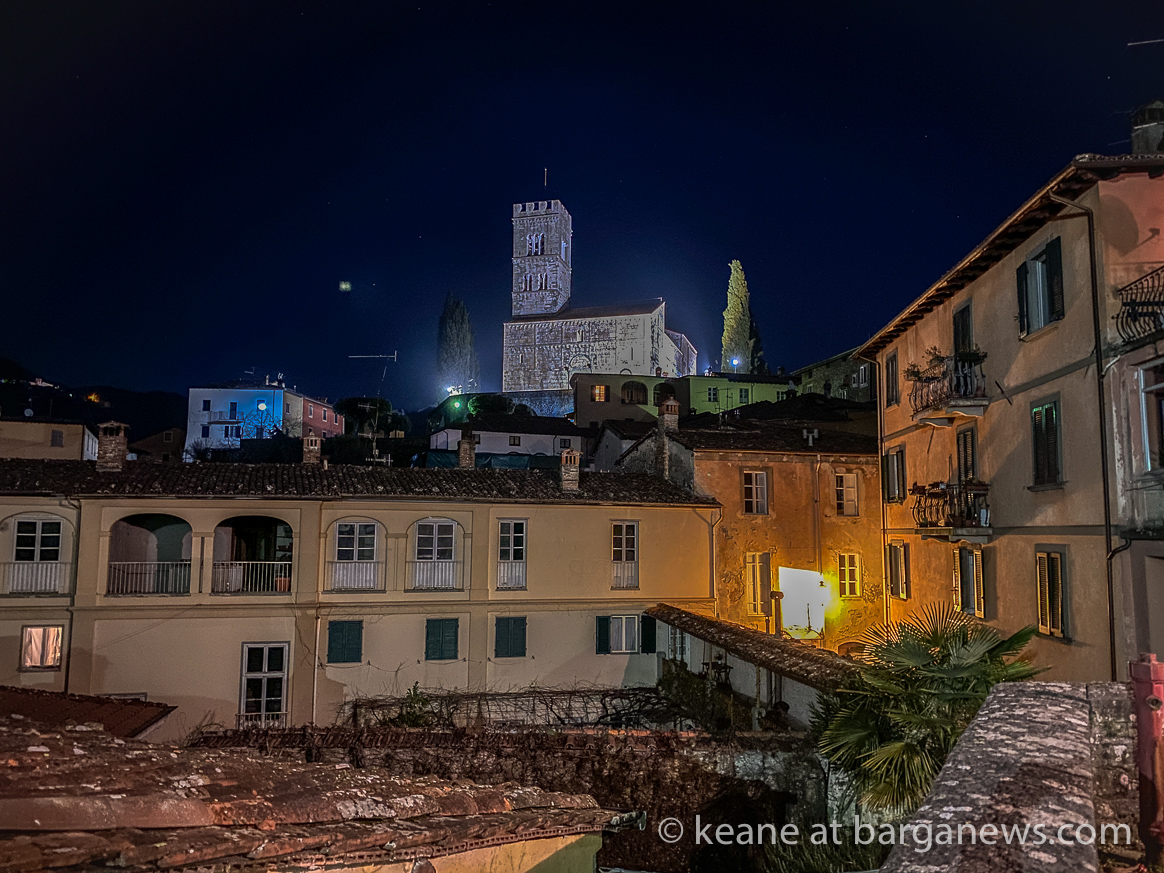
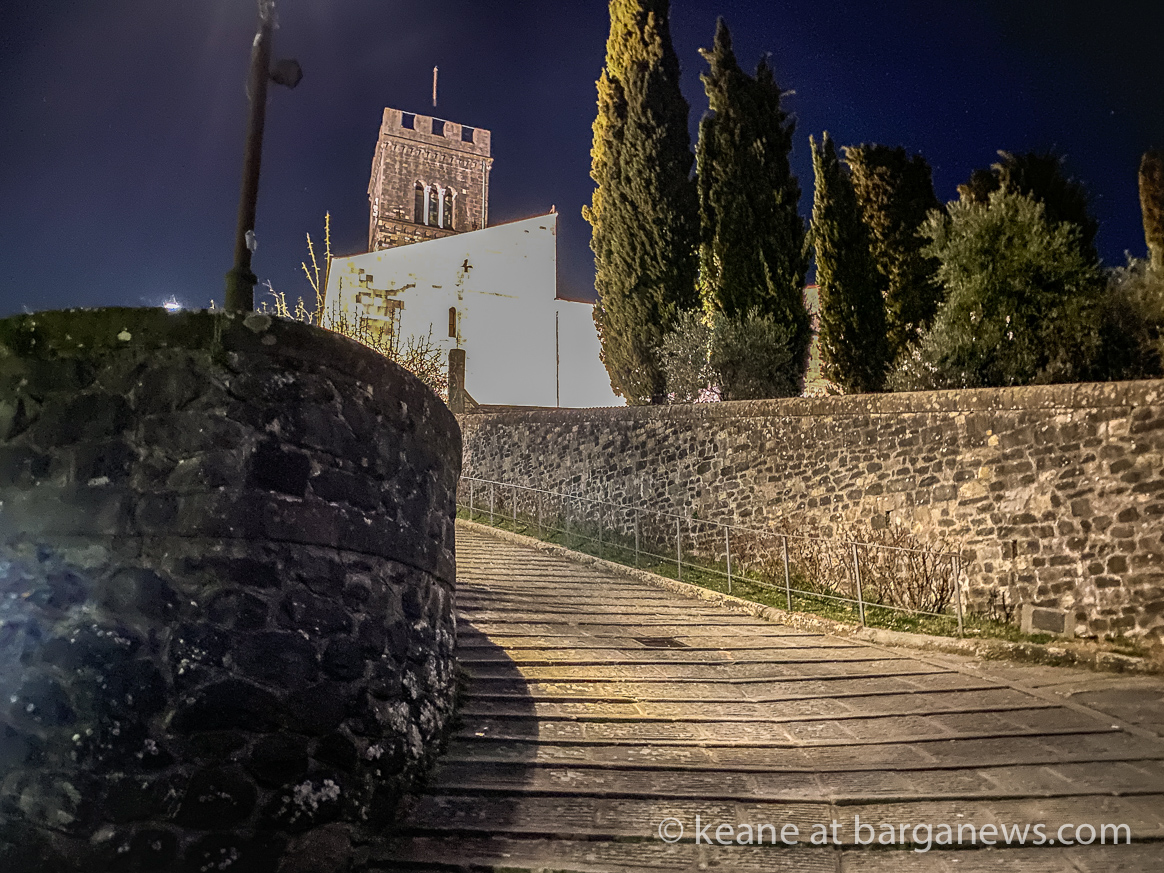
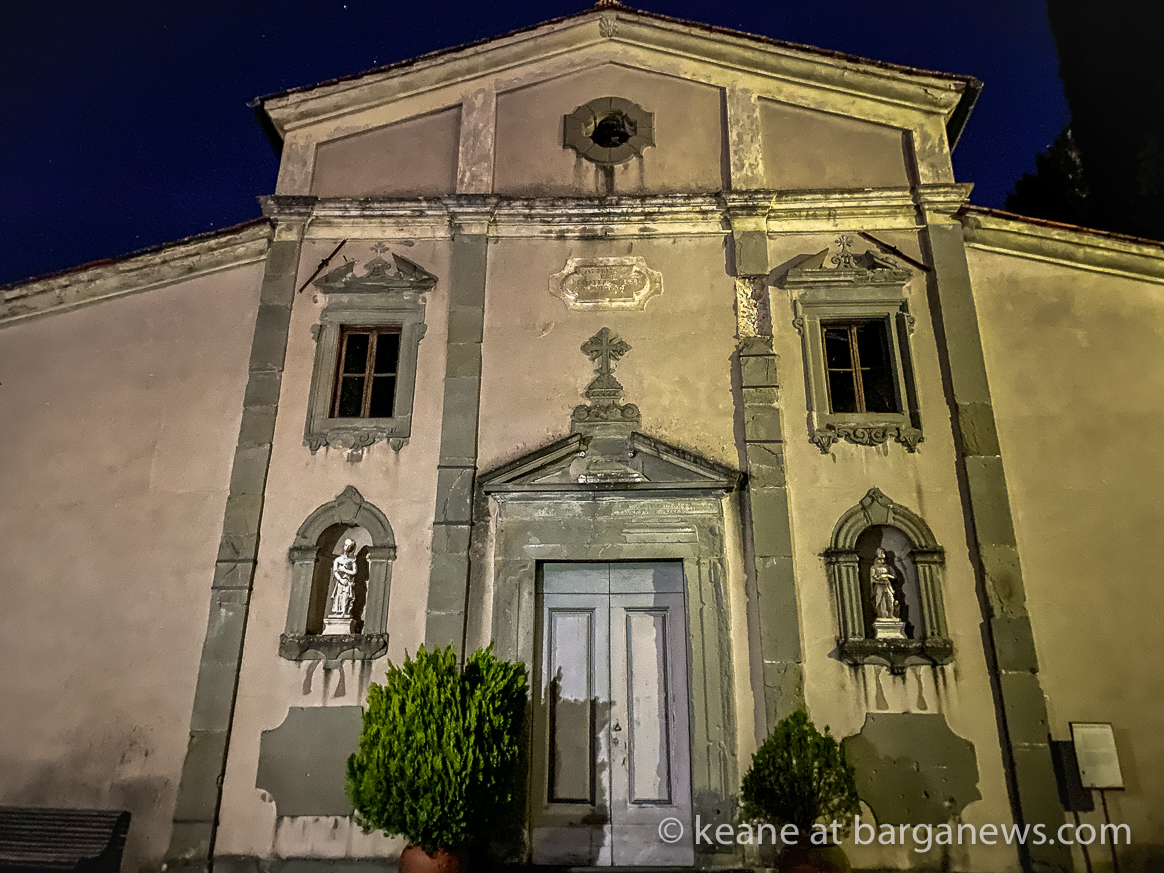
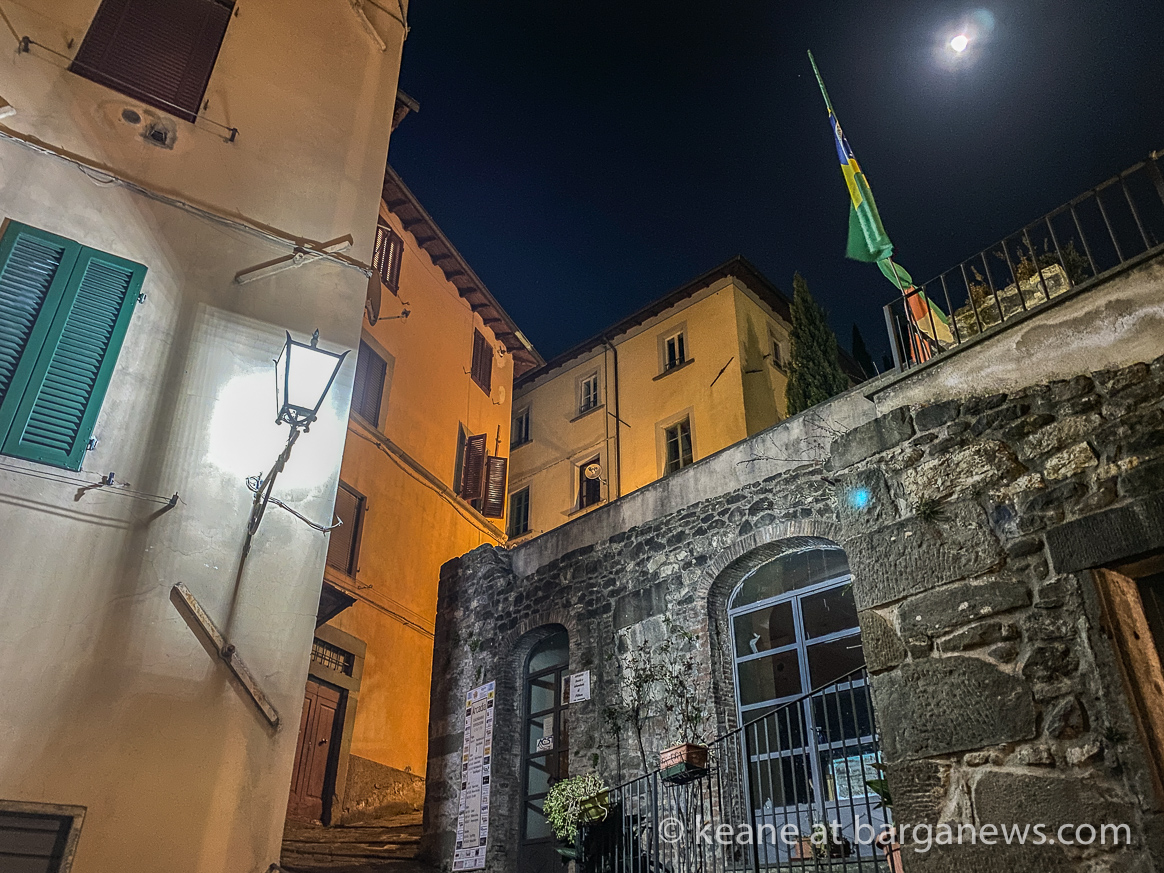
A full moon over Barga this evening lit up the city allowing some of the darkest areas to be seen in the moonlight.
The name Snow Moon derives from Native American tribes and was given because February is the month for snowfall and colder temperatures.
February’s full moon is also known as the ‘Hunger moon’ due to the brutal weather conditions that made it harder for tribes to go out and hunt for food.
In the Southern Hemisphere, February is during the summer, and the Māori of New Zealand described the lunar month in February to March (as measured between the successive new moons, with the full moon halfway between) as Poutū-te-rangi or “the crops are now harvested,” according to the Encyclopedia of New Zealand.
In China, the traditional lunar calendar calls the February lunation the first month, Zhēngyuè (正月, “start month”) and it is when the traditional Chinese Lunar New Year is celebrated (the New Year begins on the day of the new moon, the full moon is halfway through the month).
For Muslims, the February 2021 lunation (starting with the new moon on Feb. 13) marks the start of Rajab, the seventh month and a time in which battles are prohibited.
On the Jewish Calendar the February lunation is the month of Adar, and on the 14th day, which would be close to the full moon, Jews celebrate Purim. (The Gregorian calendar date is sunset on Feb. 25 to sunset on Feb. 26). Purim commemorates the rescue of the Jewish people from Hamam, a 5th century BCE Persian official who had planned to kill all the Jews in the Empire but was foiled by Esther, as recounted in the Biblical book of the same name.