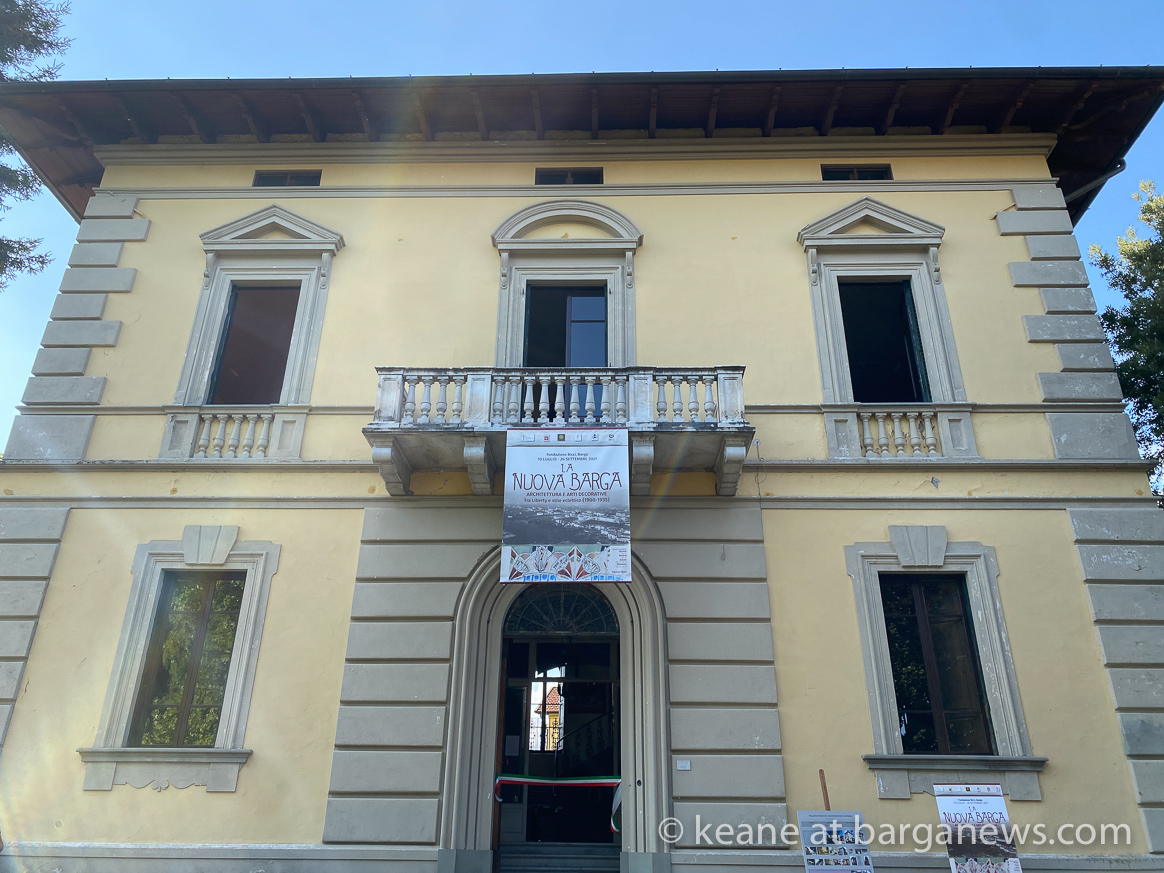
“The new Barga: architecture and decorative arts between liberty and eclectic style (1900-1935)”
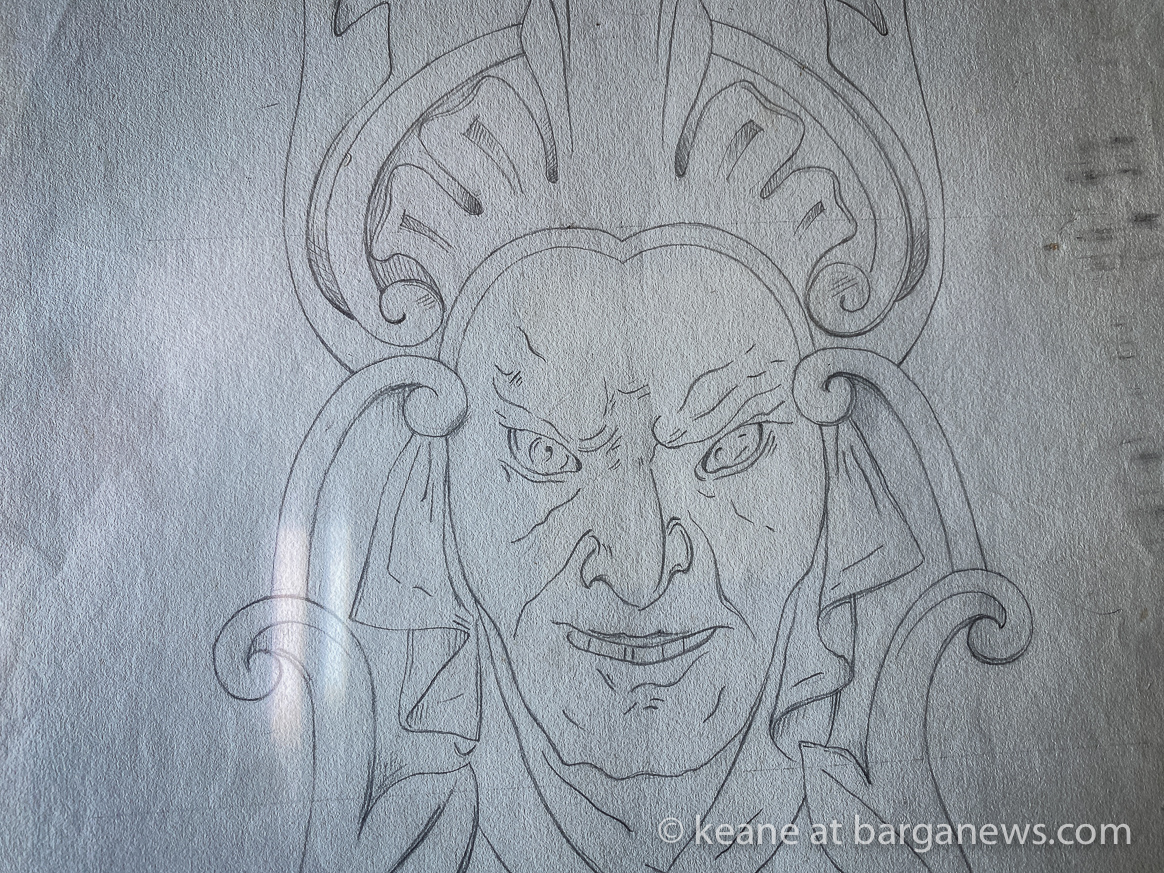
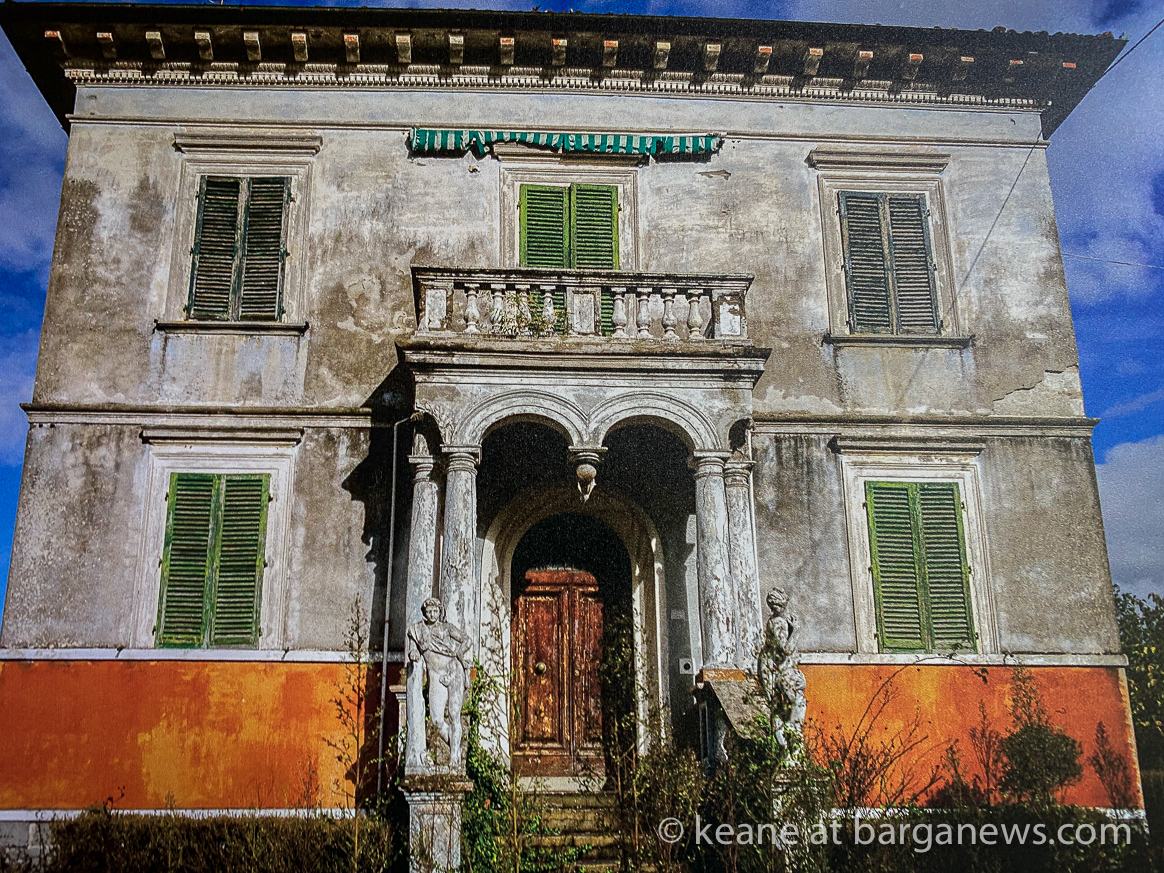
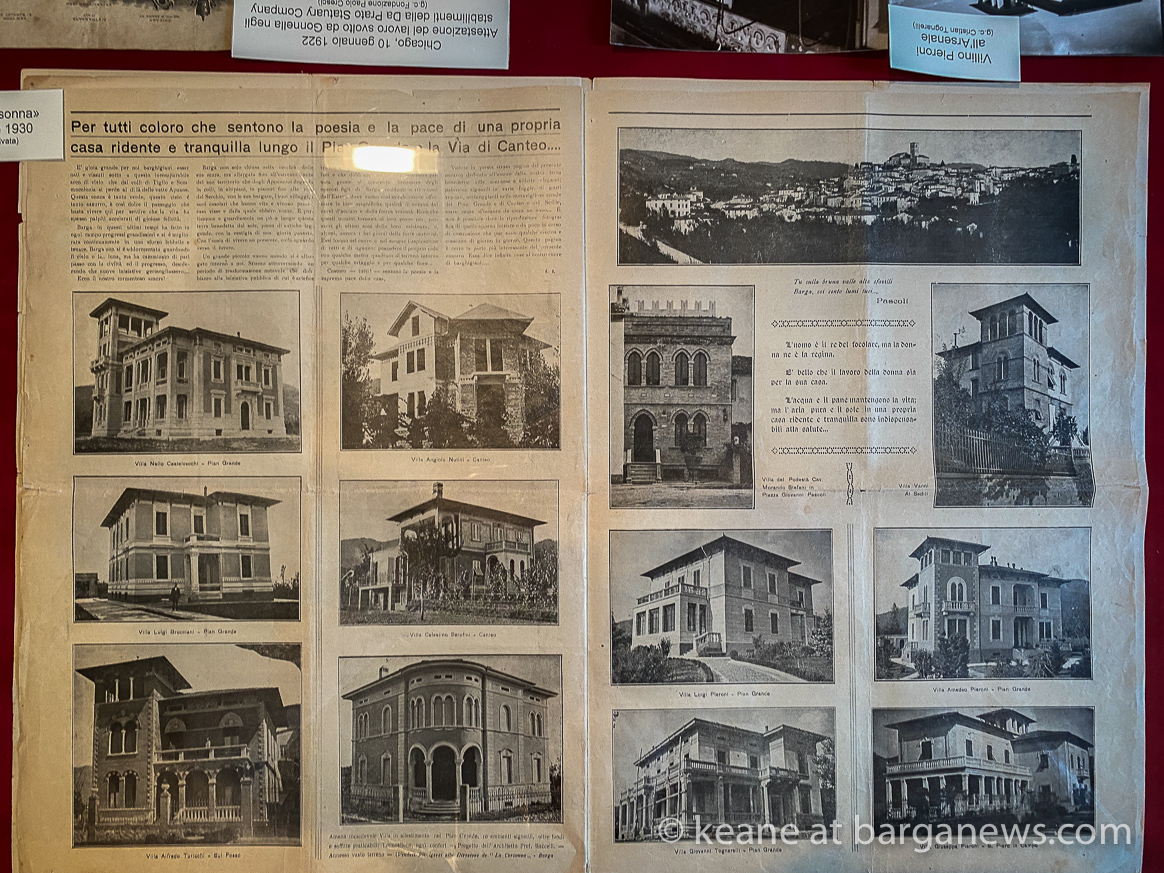
An exhibition about “the new Barga” – the Liberty and eclectic styles and the beauty of architecture and decorations, testimony of those who had made their fortune abroad and brought home wealth, novelties and cultures
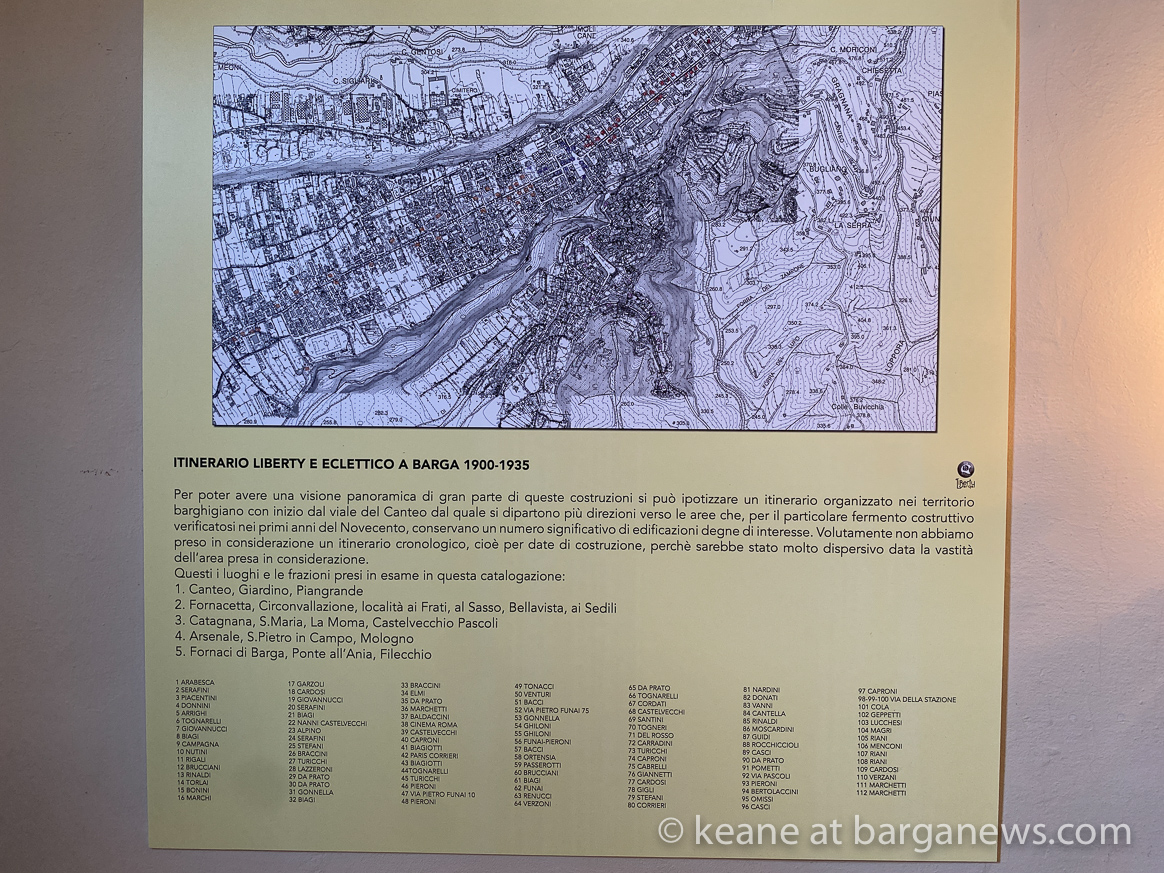
Based on an idea from the architect Cristiana Ricci, president of the Fondazione Ricci, this was the first census of 113 buildings in the style of the time.
Developed over the next 2 years by the group consisting of Cristiana Ricci with Dr. Sara Moscardini, Pier Giuliano Cecchi, respectively director and deputy director of the Historical Institute Lucchese section of Barga. Ivano Stefani who oversaw the research for the buildings in Fornaci, Leonardo Umberto Conti and the photographer Caterina Salvi.
They have amassed a huge quantity of data, archival and geographical research work. collections of photographic, oral testimonies and documentation of family histories.
Liberty style (Italian: Stile Liberty) was the Italian variant of Art Nouveau, which flourished between about 1900 and 1914. It was also sometimes known as stile floreale, arte nuova, or stile moderno. It took its name from Arthur Lasenby Liberty and the store he founded in 1874 in London, Liberty Department Store, which specialized in importing ornaments, textiles and art objects from Japan and the Far East. Major Italian designers using the style included Carlo Bugatti, Raimondo D’Aronco, Eugenio Quarti, and Galileo Chini. The major event of the style was the 1902 Turin International Exposition, which featured by works of both Italian designers and other Art Nouveau designers from around Europe.
Liberty style was especially popular in large cities outside of Rome which were eager to establish a distinct cultural identity, particularly Milan, Palermo and Turin, the city where the first major exposition of the style in Italy was held.
Barga sees three phases of construction of new buildings, in liberty or eclectic style. The first is in the first decade of the twentieth century, when the new viability of the Piangrande involves the subdivision of a new area, which connects Barga to the railway being built further down the valley.. These new areas are in Art Nouveau style.
The second is the area of the Giardino, affected by new constructions between 1910 and 1920.
The earthquake in September 1920 did not cause enormous damage as in Garfagnana, however it did damage the historic center of Barga – Barga Vecchia.
The comune gave permission to build new houses in an adjacent area – in 1924 the Cantèo area was finally identified, which is the third huge reservoir of these new buildings.
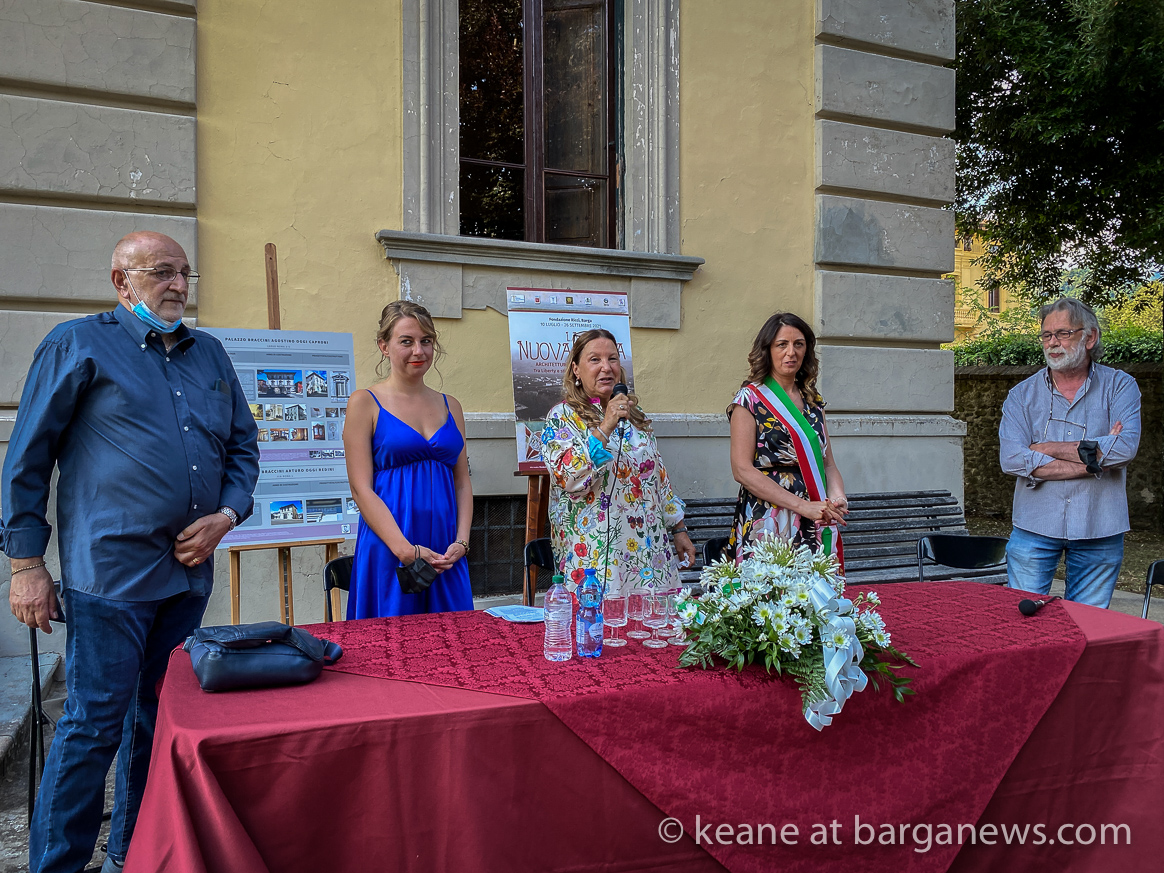
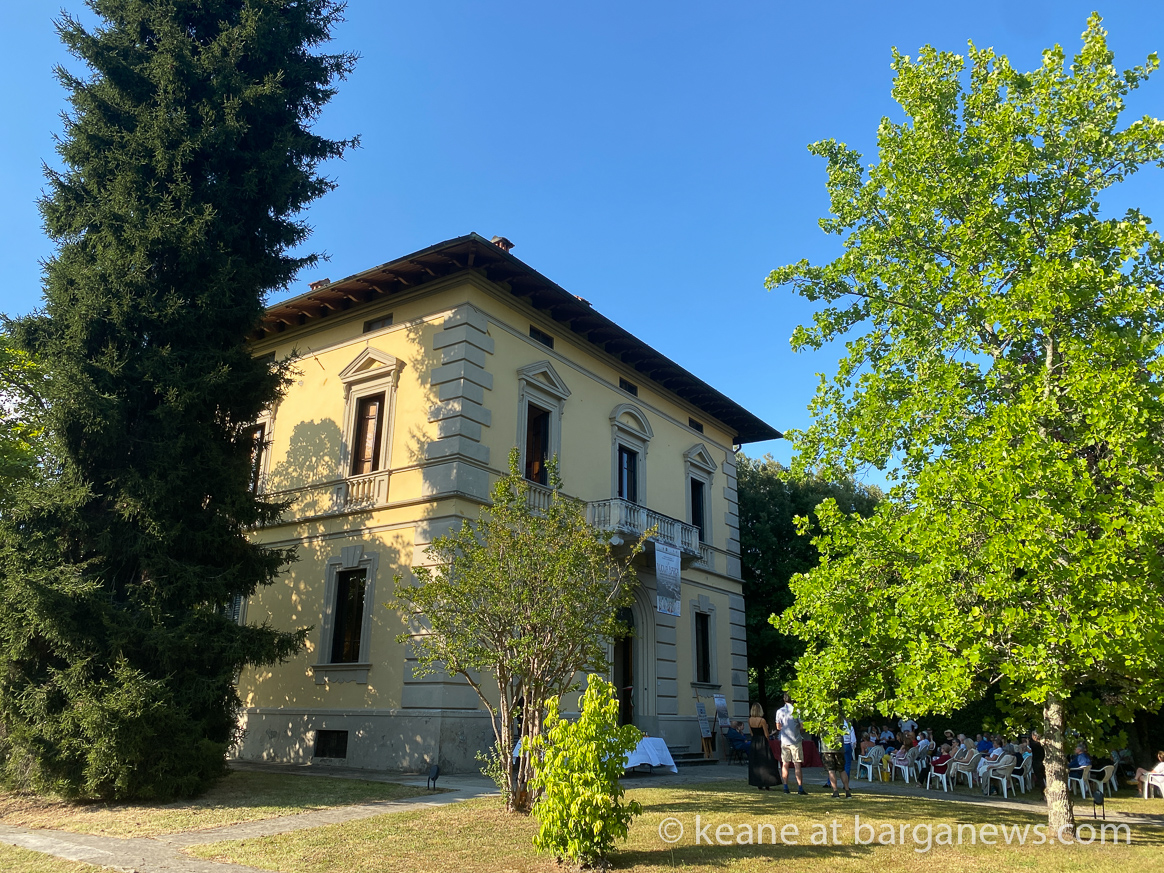
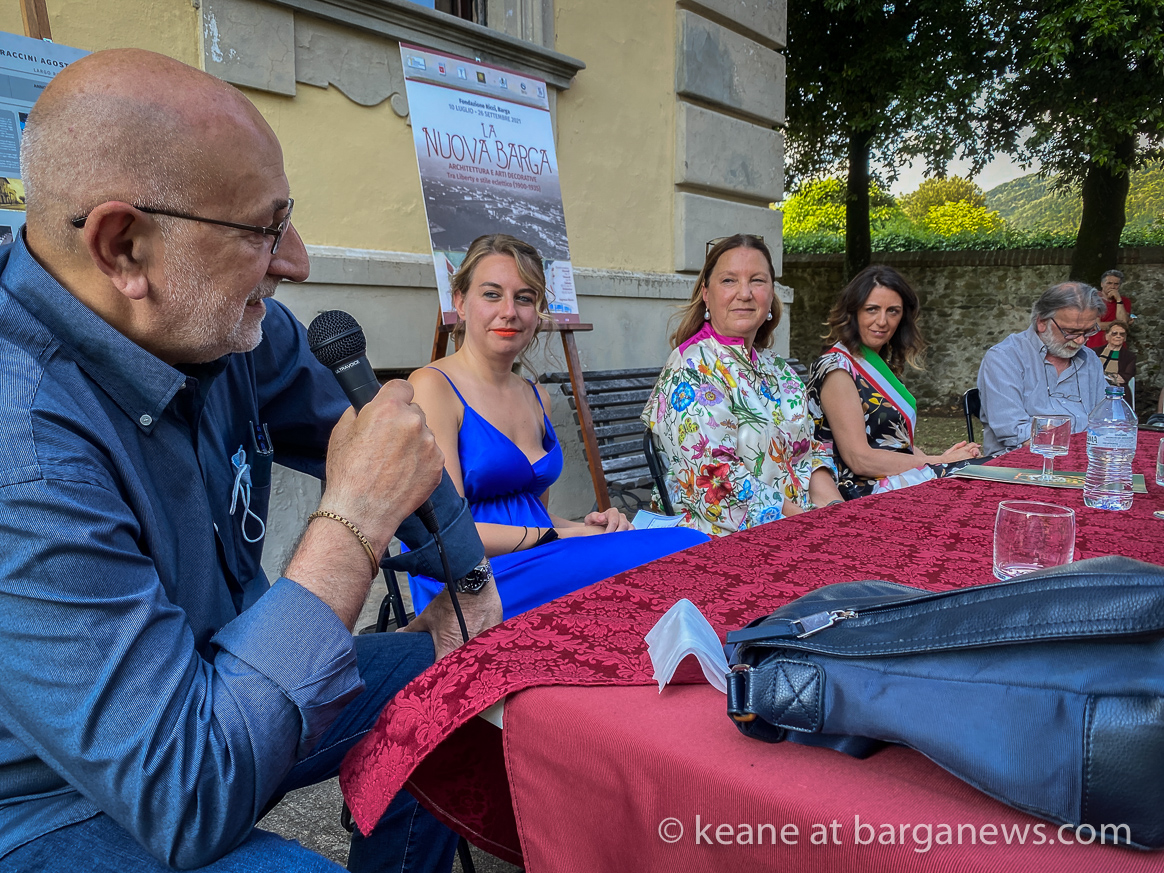
From 10 July (opening at 6pm) until 26 September 2021




“La nuova Barga: architettura e arti decorative tra Liberty ed eclettismo (1900–1935)”
Una mostra dedicata alla “nuova Barga” – agli stili Liberty ed eclettico e alla bellezza delle architetture e delle decorazioni, testimonianza di coloro che, dopo aver fatto fortuna all’estero, tornarono portando con sé ricchezza, novità e nuove culture.
Nata da un’idea dell’architetto Cristiana Ricci, presidente della Fondazione Ricci, l’iniziativa ha rappresentato il primo censimento di 113 edifici riconducibili allo stile dell’epoca.
Il lavoro è stato sviluppato nell’arco di due anni da un gruppo composto da Cristiana Ricci, dalla dott.ssa Sara Moscardini e da Pier Giuliano Cecchi, rispettivamente direttrice e vicedirettore dell’Istituto Storico Lucchese, sezione di Barga. A loro si sono affiancati Ivano Stefani, che ha curato la ricerca sugli edifici di Fornaci, Leonardo Umberto Conti e la fotografa Caterina Salvi.
Il gruppo ha raccolto una grande quantità di dati, attraverso ricerche d’archivio e sul territorio, documentazione fotografica, testimonianze orali e ricostruzioni di storie familiari.
Lo stile Liberty (in italiano: Stile Liberty) rappresenta la variante italiana dell’Art Nouveau, sviluppatasi tra il 1900 e il 1914 circa. È noto anche come stile floreale, arte nuova o stile moderno. Il nome deriva da Arthur Lasenby Liberty e dal negozio da lui fondato a Londra nel 1874, il Liberty Department Store, specializzato nell’importazione di oggetti decorativi, tessuti e opere d’arte dal Giappone e dall’Estremo Oriente. Tra i principali interpreti italiani figurano Carlo Bugatti, Raimondo D’Aronco, Eugenio Quarti e Galileo Chini. Un momento fondamentale per la diffusione dello stile fu l’Esposizione Internazionale di Torino del 1902, che presentò opere di designer italiani e di artisti Art Nouveau provenienti da tutta Europa.
Lo stile Liberty ebbe particolare successo nelle grandi città italiane, al di fuori di Roma, desiderose di affermare una propria identità culturale, come Milano, Palermo e Torino, sede della prima grande esposizione dedicata a questo linguaggio artistico in Italia.
A Barga si individuano tre fasi principali nella costruzione di nuovi edifici in stile Liberty o eclettico. La prima si colloca nel primo decennio del Novecento, quando la nuova viabilità del Piangrande portò alla lottizzazione di un’area che collegava Barga alla ferrovia in costruzione più a valle. Queste nuove zone presentano caratteristiche tipiche dell’Art Nouveau.
La seconda fase riguarda l’area del Giardino, interessata da nuove costruzioni tra il 1910 e il 1920.
Il terremoto del settembre 1920, pur non causando danni gravi come in Garfagnana, colpì il centro storico di Barga – Barga Vecchia.
Il Comune autorizzò quindi la costruzione di nuove abitazioni in un’area adiacente: nel 1924 venne individuata la zona del Cantèo, che rappresenta il terzo grande nucleo di queste nuove edificazioni.
La mostra si è svolta dal 10 luglio (inaugurazione alle ore 18) al 26 settembre 2021.