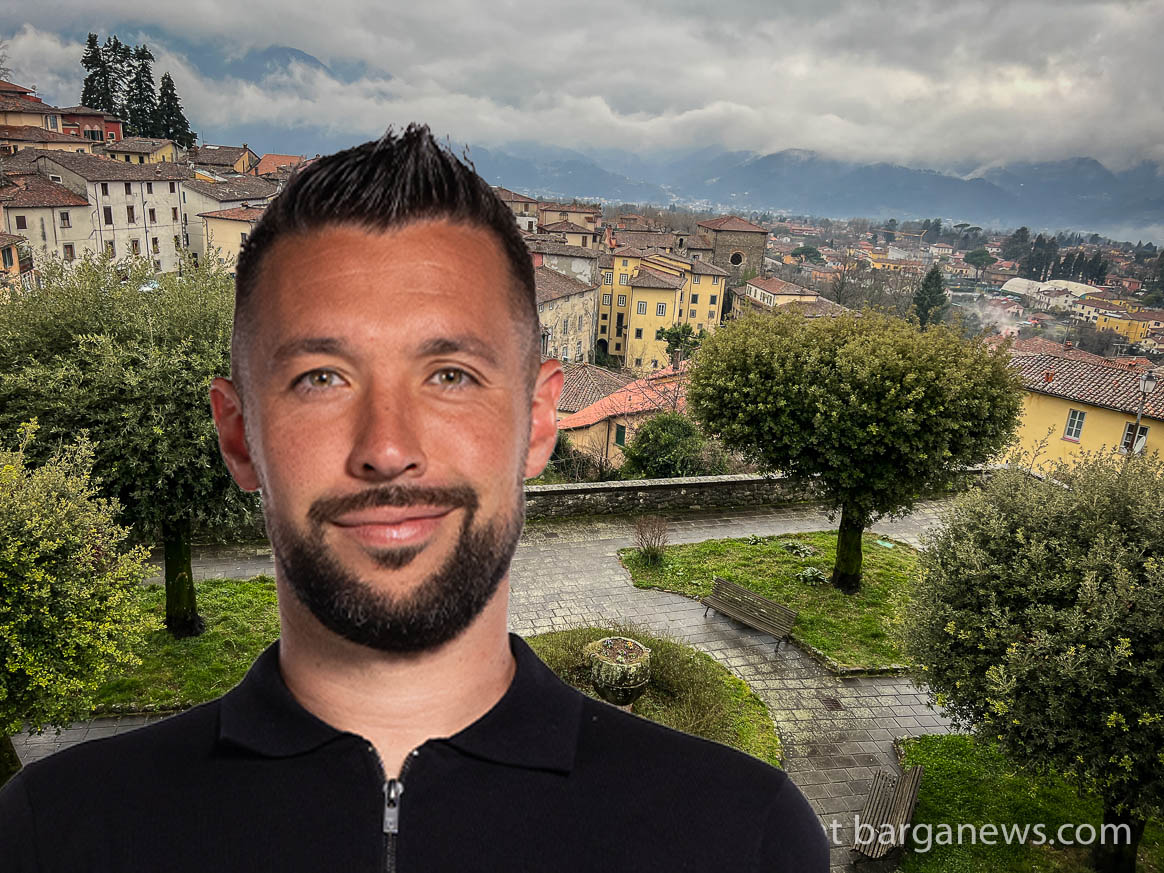
The route taken by Francesco Farioli to the upper levels of European football has been notably different from that of many of his contemporaries. Born on 10 April 1989 in Barga, his development came not through a professional playing career, but through academic study and a gradual progression into coaching.
Rather than pursuing football on the pitch, Farioli chose to study philosophy at the University of Florence. During this period, his engagement with the game deepened in parallel with his academic work, culminating in a thesis titled “Football as Rebirth: The Aesthetics of the Game and the Role of the Goalkeeper.” The research approached football as a structured environment in which form, perception and balance interact, moving beyond the idea of sport as simple competition.
This philosophical grounding continues to shape his work. Drawing on the ideas of figures such as Jean-Paul Sartre and Fyodor Dostoevsky, Farioli has described football as a framework through which broader questions of structure, freedom and interpretation can be explored. Within this view, the pitch becomes a defined space where discipline and expression operate together.
His entry into professional football followed a less conventional path. Without a playing background, he began as a goalkeeping coach, working alongside Roberto De Zerbi at Benevento and later at Sassuolo. These experiences placed him within a tactical environment focused on positional play, control and technical precision.
Progress through the coaching ranks was rapid. By the age of 31, Farioli had taken on a head coaching role, developing a reputation for a clear and consistent approach. His subsequent work at OGC Nice and Ajax brought wider attention, both for results and for the identifiable structure of his teams.
Now, with his appointment at FC Porto, he moves into a broader European context. At 36, he is often described as a “football philosopher”, a description that reflects both his academic origins and the way his teams are organised.
His approach remains difficult to reduce to a single model. While structured and based on possession, it is not driven purely by prevailing trends. Instead, it reflects a view of football as a collective system within which individual roles are carefully defined.
Under his guidance, FC Porto have progressed from an uneven season to a position where a championship challenge has become a realistic outcome.




Francesco Farioli: dalla filosofia alla panchina europea
Il percorso che ha portato Francesco Farioli ai livelli più alti del calcio europeo si distingue per la sua natura non convenzionale. Nato il 10 aprile 1989 a Barga, ha costruito la propria carriera non attraverso il calcio giocato, ma attraverso lo studio e un graduale ingresso nel mondo dell’allenamento.
Invece di intraprendere una carriera da calciatore, Farioli ha scelto la via accademica, studiando filosofia presso l’Università di Firenze. In quegli anni, il suo rapporto con il calcio si è sviluppato parallelamente, fino alla stesura di una tesi intitolata “Football as Rebirth: The Aesthetics of the Game and the Role of the Goalkeeper”. Un lavoro che analizza il calcio come spazio strutturato in cui forma, percezione ed equilibrio si intrecciano.
Questo retroterra filosofico continua a influenzare il suo approccio. Ispirato da pensatori come Jean-Paul Sartre e Fyodor Dostoevsky, Farioli considera il calcio come un sistema attraverso il quale leggere la realtà. Il campo diventa così uno spazio definito in cui disciplina ed espressione convivono.
Il suo ingresso nel calcio professionistico segue una traiettoria atipica. Senza un passato da giocatore, inizia come allenatore dei portieri, lavorando accanto a Roberto De Zerbi a Benevento e successivamente al Sassuolo. Esperienze che lo inseriscono in un contesto tattico basato su gioco posizionale, controllo e precisione tecnica.
La crescita è rapida. A 31 anni arriva il primo incarico da allenatore principale, consolidando una reputazione fondata sulla chiarezza delle idee e sulla coerenza del metodo. Le esperienze all’OGC Nice e all’Ajax gli danno visibilità internazionale.
Con l’approdo all’FC Porto, entra ora in una dimensione europea ancora più ampia. A 36 anni viene spesso definito un “filosofo del calcio”, definizione che riflette tanto il suo percorso accademico quanto il modo in cui costruisce le sue squadre.
Il suo approccio sfugge a classificazioni semplici. Pur basato su struttura e possesso, non segue soltanto le tendenze del momento, ma si fonda sull’idea del calcio come sistema collettivo in cui i ruoli individuali trovano una precisa collocazione.
Sotto la sua guida, il FC Porto è passato da una stagione incostante a una situazione in cui la lotta per il titolo è diventata un obiettivo concreto.