Forms: Andrea Alfieri Returns to Palazzo Pancrazi
Visitors to Palazzo Pancrazi will once again have the opportunity to explore the distinctive photographic vision of Andrea Alfieri as the photographer returns with a new exhibition entitled Forme (Forms).
While Alfieri’s previous exhibitions have demonstrated his remarkable ability to find beauty in both architecture and everyday objects, Forme goes a step further. It is less about documenting buildings or places than about revealing the hidden geometry that lies within them.
The accompanying catalogue text explains that Alfieri is not simply photographing objects. Like the French landscape painter Jean-Baptiste-Camille Corot, he searches for what artists call the motif – that precise arrangement of line, light, balance and proportion that transforms an ordinary subject into something extraordinary.
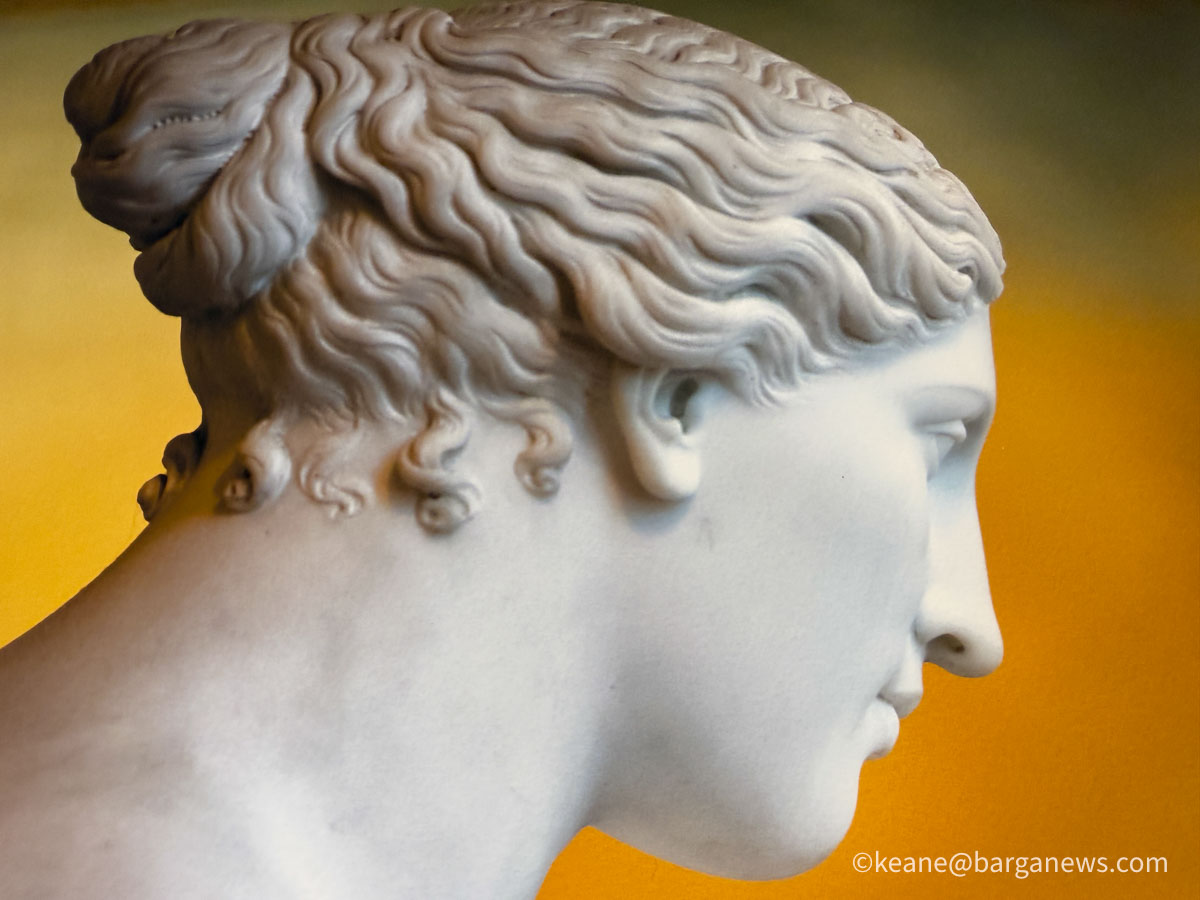
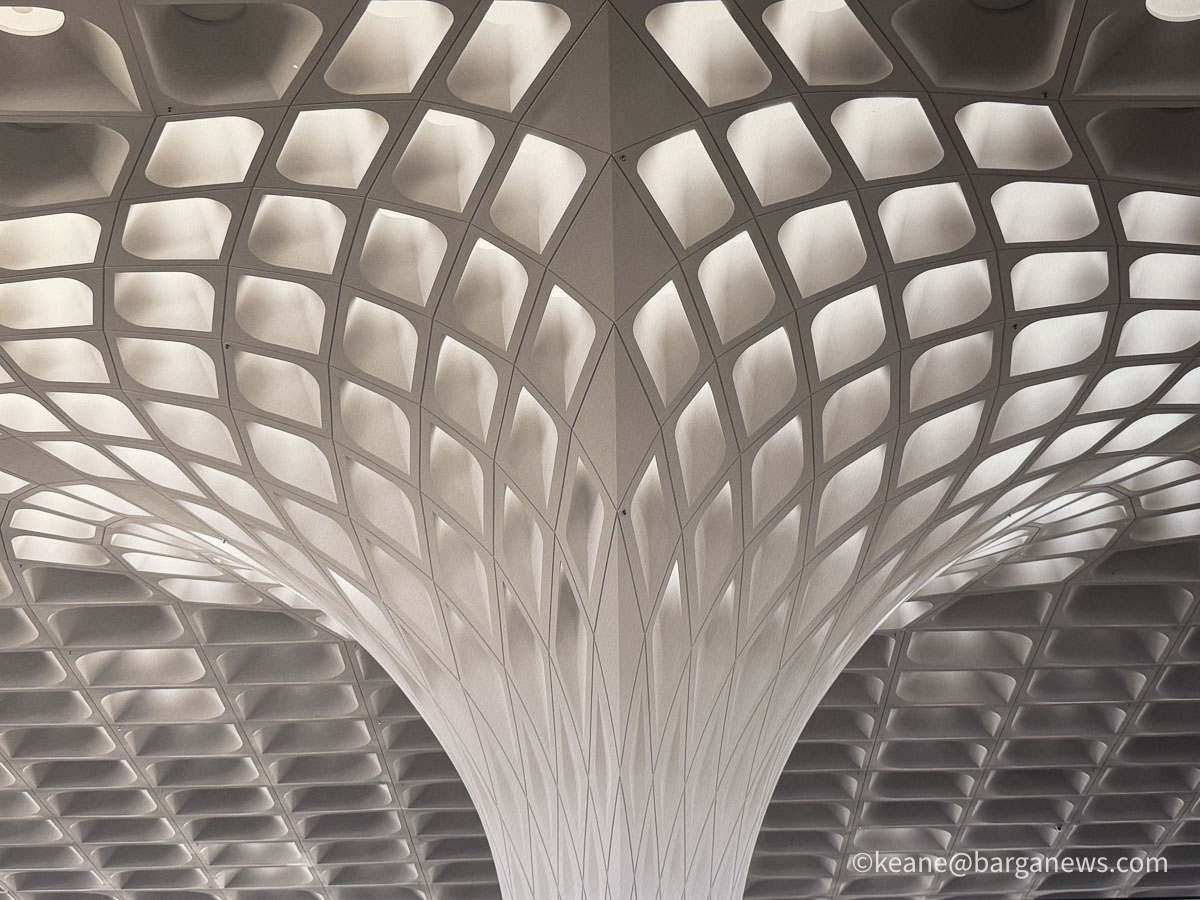
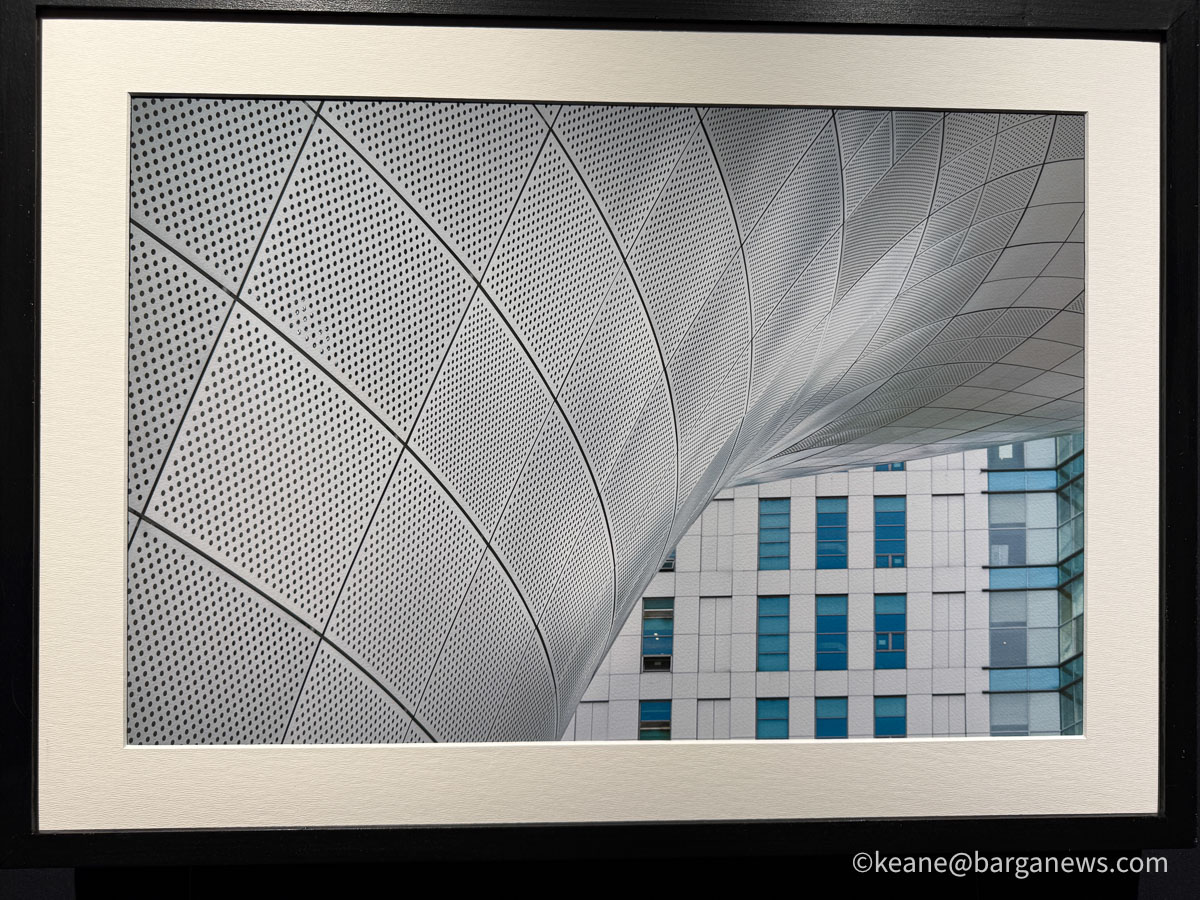
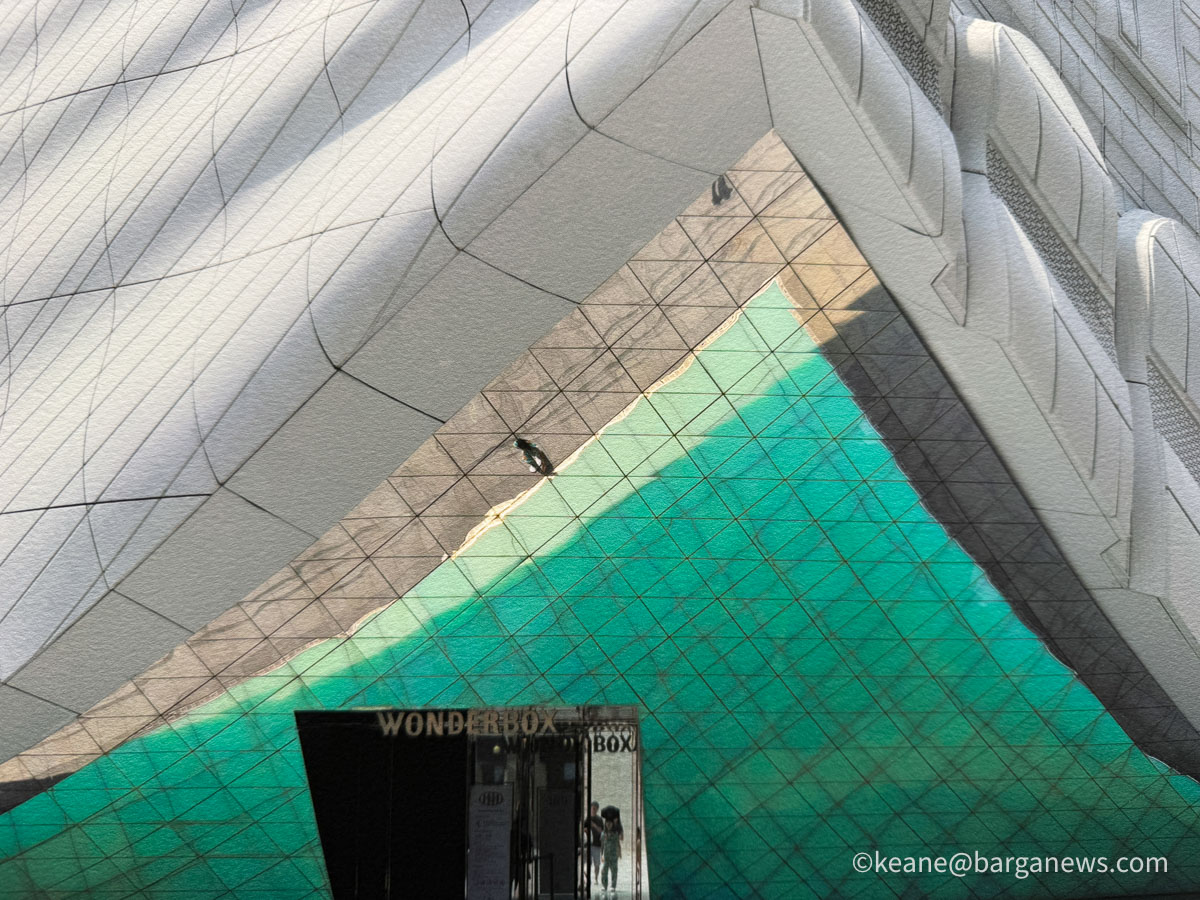
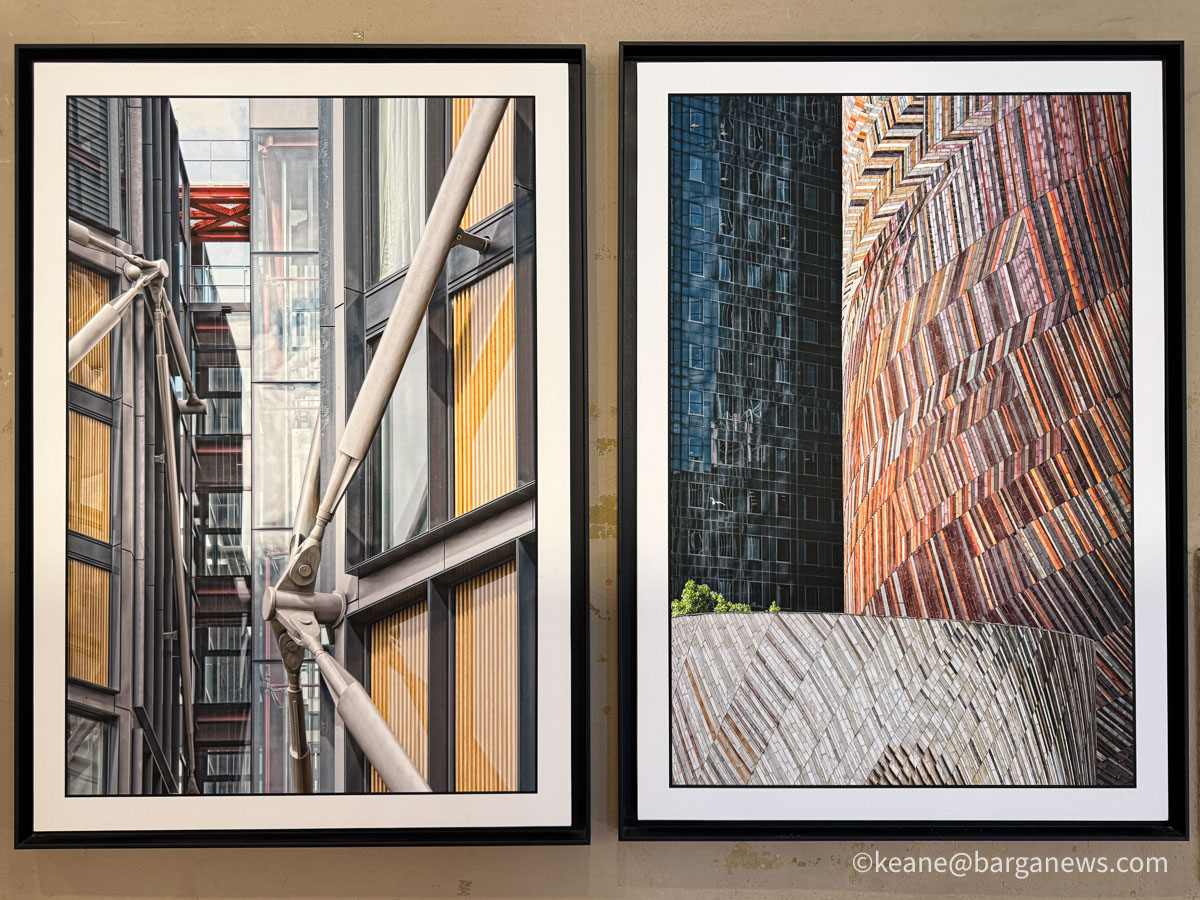
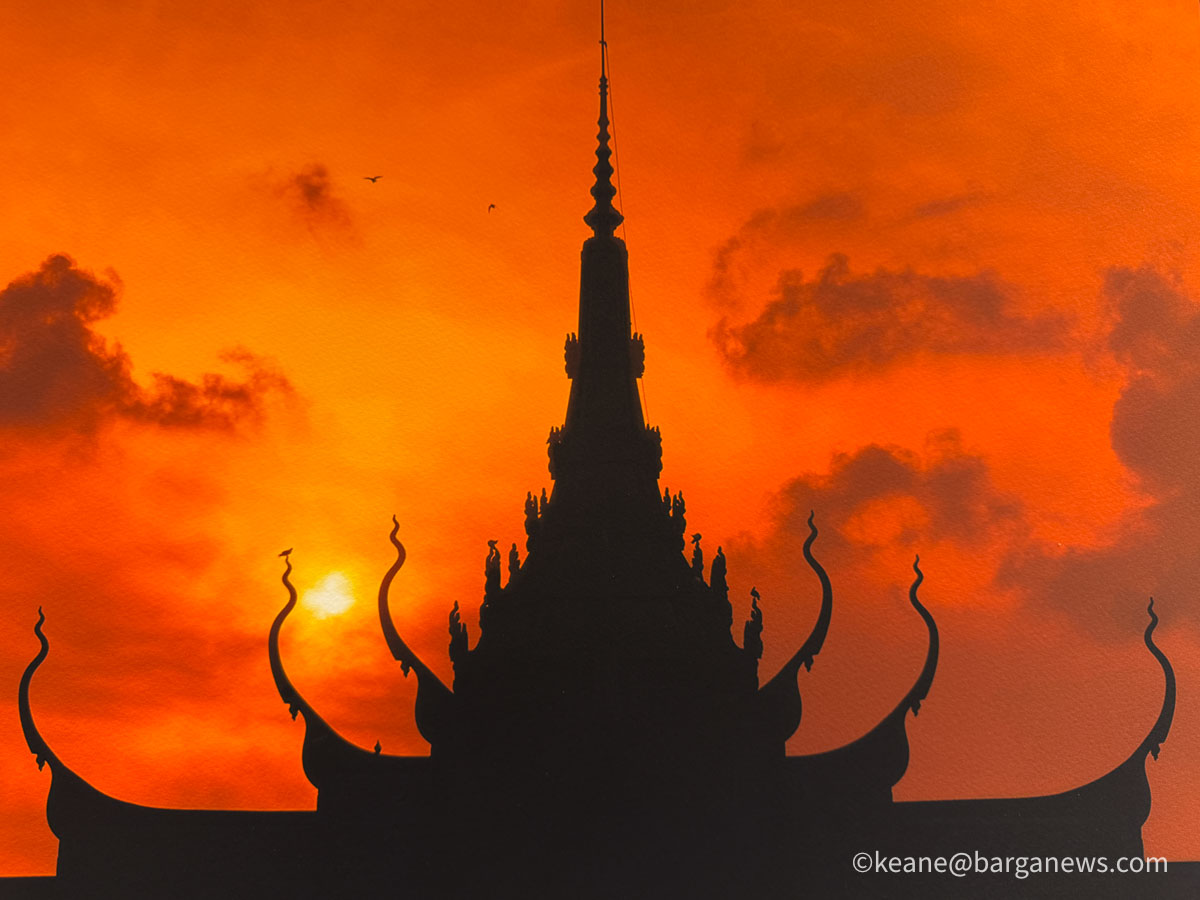
Looking through the exhibition, it becomes clear that the subject itself is often secondary. Airports become abstract sculptures of repeating curves. Glass façades dissolve into intricate patterns of colour and reflection. Classical statues, modern skyscrapers and street furniture are all treated with the same patient eye, each reduced to its essential form.
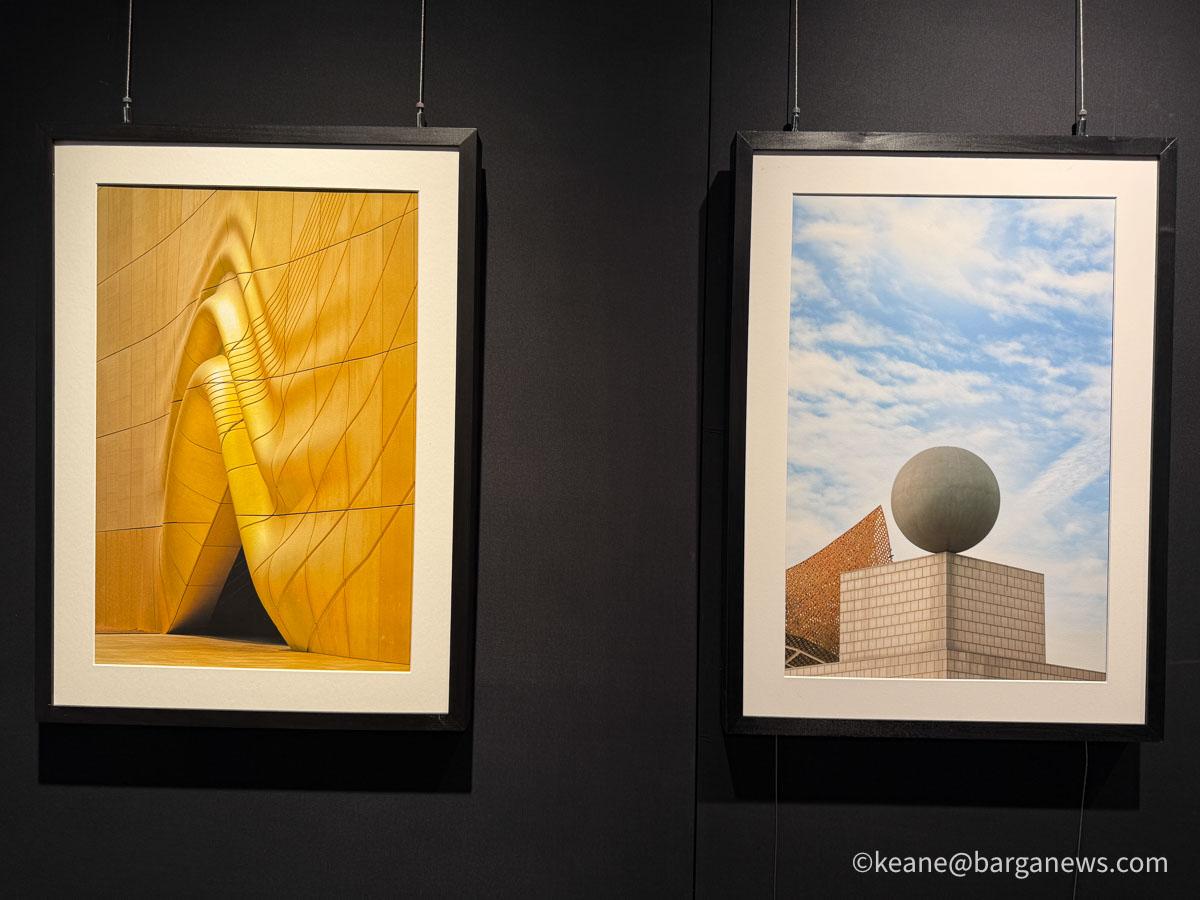
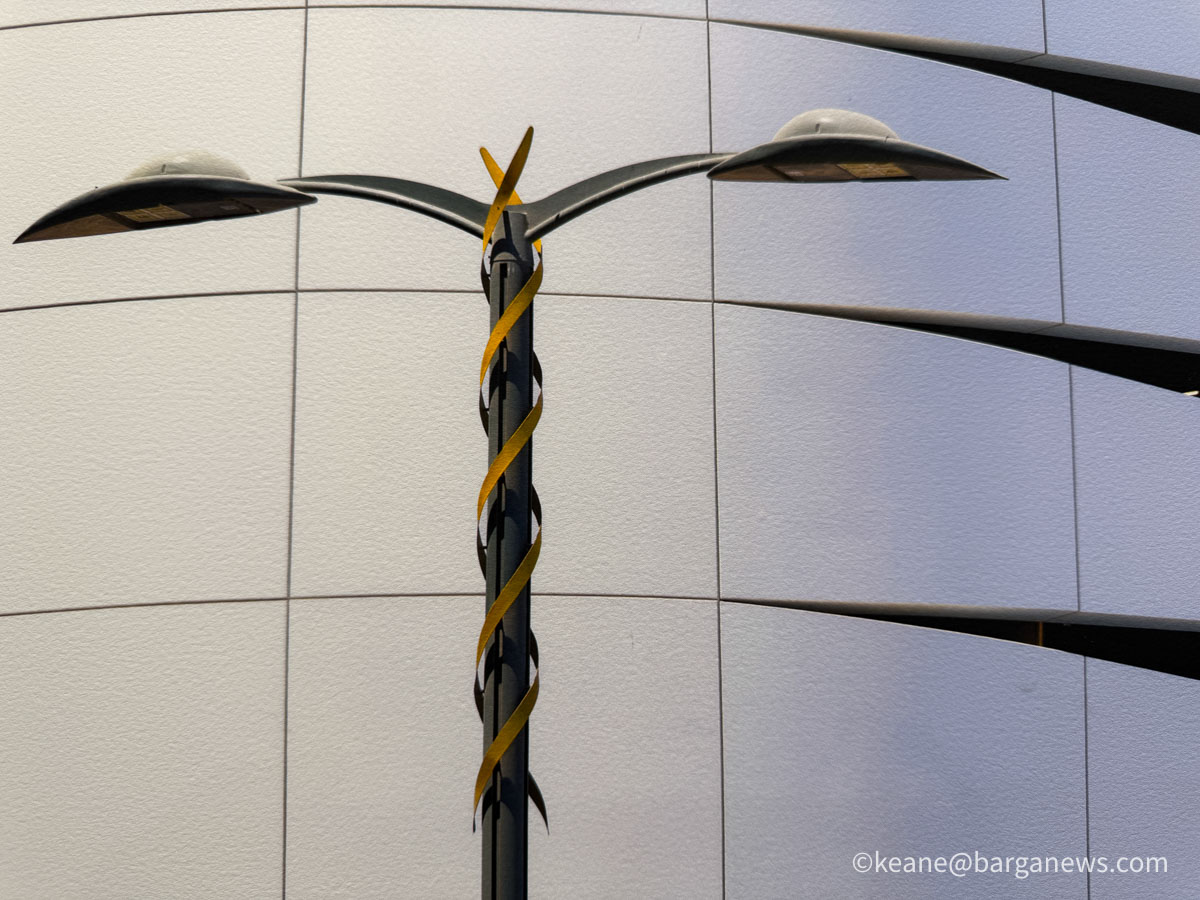
One striking series explores contemporary architecture from cities around the world, where sweeping steel structures and geometric façades become almost painterly compositions. Elsewhere, a simple lamp post twists elegantly against a minimalist wall, while a fragment of a museum roof becomes an exercise in rhythm and perspective.
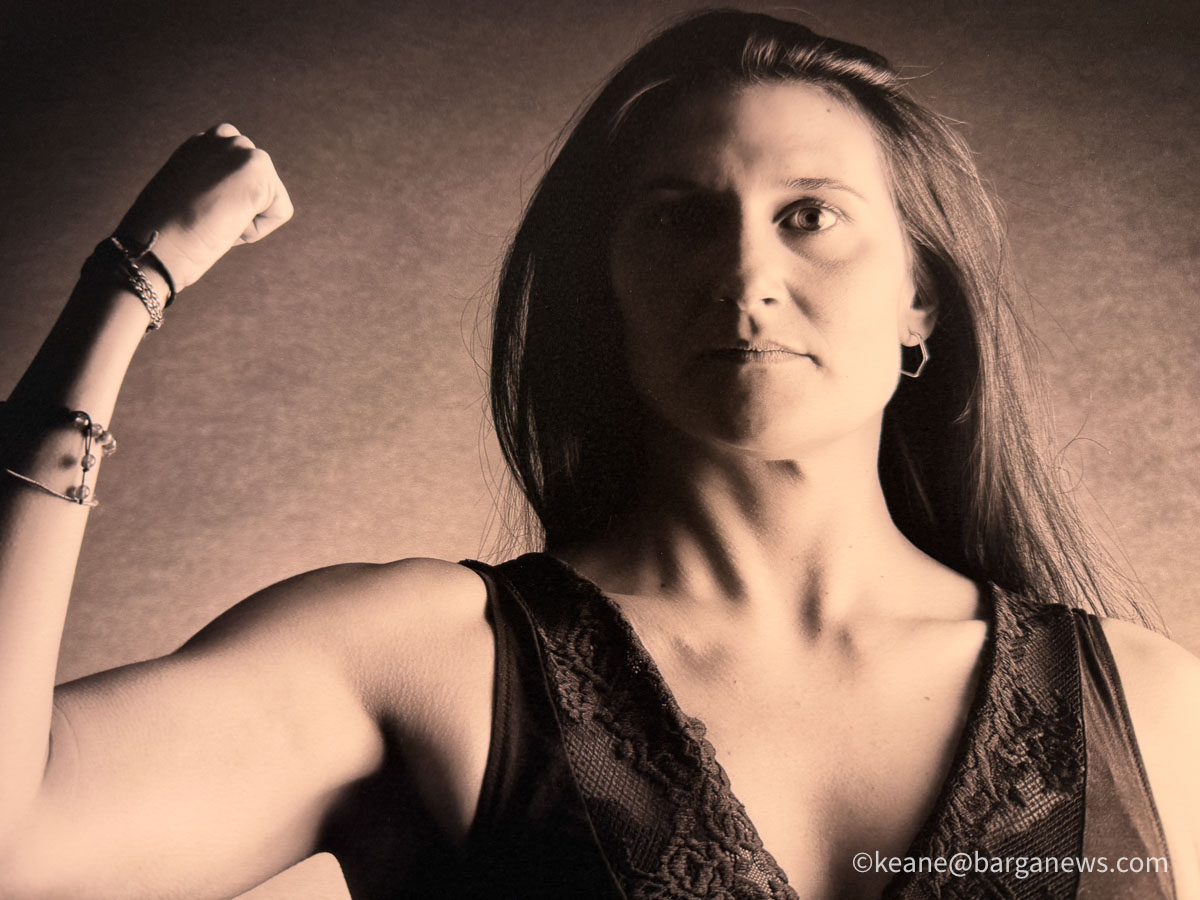
The exhibition also includes several powerful monochrome works, demonstrating that Alfieri is equally at home working without colour, relying instead on light, shadow and composition to create emotional impact.
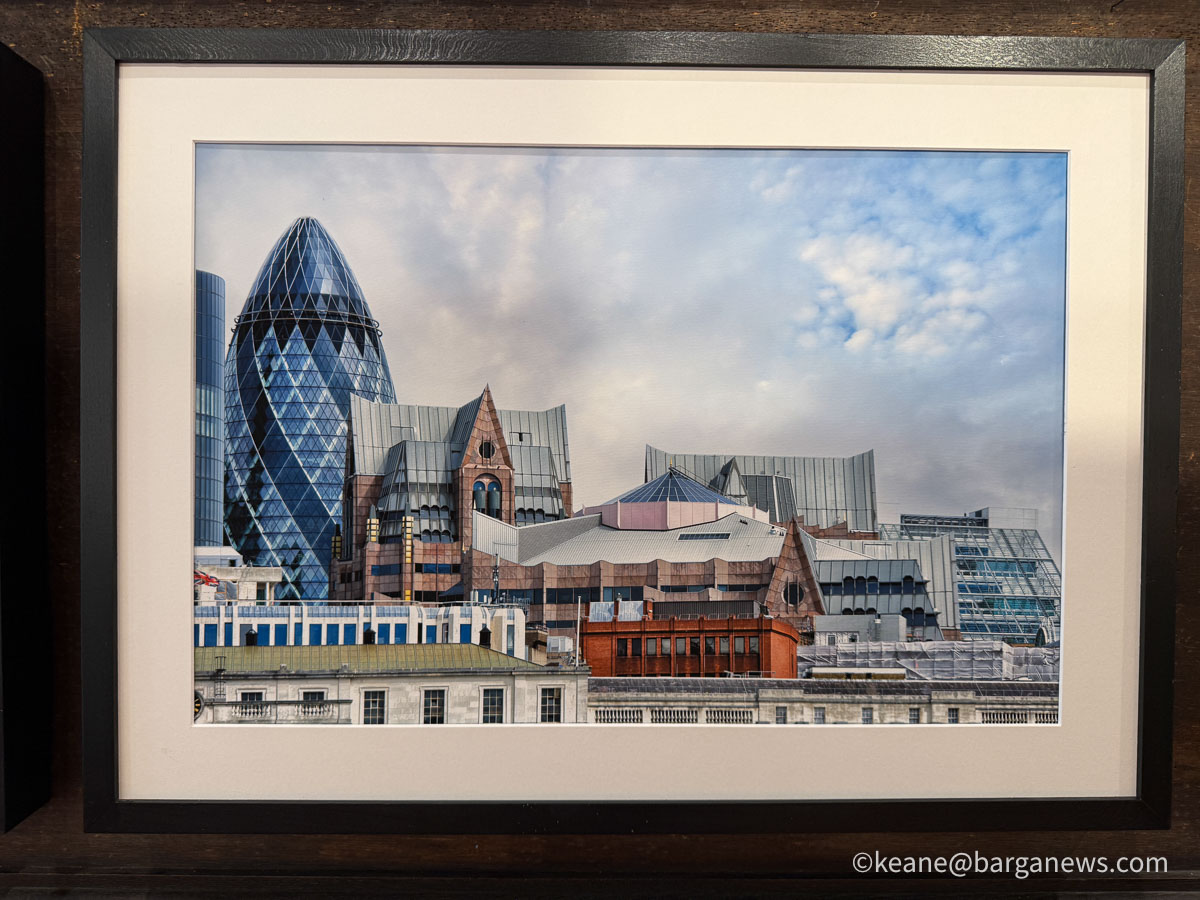
Perhaps the most revealing aspect of Forme is the way Alfieri crops his images. Rather than recording an entire building, he isolates the single viewpoint where shape, balance and perspective come together. It is a reminder that photography is not simply about what is in front of the camera, but about recognising the exact moment when an image becomes something greater than a record of reality.
As the exhibition text suggests, there comes a point where “the image surpasses the object”. The photograph ceases to be a representation and becomes a work in its own right.
That philosophy runs through every print displayed at Palazzo Pancrazi. Whether photographing the sweeping roof of Mumbai Airport, the curves of Santiago Calatrava’s architecture, London’s ever-changing skyline or the quiet elegance of classical sculpture, Alfieri consistently invites the viewer to look beyond the obvious.




Forme: Andrea Alfieri torna a Palazzo Pancrazi
I visitatori di Palazzo Pancrazi avranno ancora una volta l’opportunità di immergersi nella particolare visione fotografica di Andrea Alfieri, che torna con una nuova mostra intitolata Forme.
Se le sue precedenti esposizioni avevano già messo in luce la straordinaria capacità di cogliere la bellezza nell’architettura e negli oggetti della quotidianità, Forme rappresenta un ulteriore passo avanti. Non si tratta semplicemente di fotografare edifici o luoghi, ma di rivelare la geometria nascosta che vive al loro interno.
Il testo che accompagna la mostra spiega come Alfieri non si limiti a fotografare un soggetto. Come il pittore francese Jean-Baptiste-Camille Corot, egli è alla ricerca di quello che gli artisti chiamano il motivo: quella precisa combinazione di linee, luce, equilibrio e proporzioni capace di trasformare un soggetto ordinario in qualcosa di straordinario.
Percorrendo l’esposizione si comprende come il soggetto stesso diventi spesso secondario. Gli aeroporti si trasformano in sculture astratte fatte di curve e ripetizioni; le facciate di vetro si dissolvono in trame di riflessi e colori; statue classiche, grattacieli contemporanei e persino elementi dell’arredo urbano vengono osservati con lo stesso sguardo attento, fino ad essere ricondotti alla loro essenza formale.
Una delle serie più suggestive è dedicata all’architettura contemporanea di diverse città del mondo, dove strutture d’acciaio dalle linee sinuose e facciate geometriche diventano composizioni che ricordano quasi la pittura. Altrove, un semplice lampione si staglia con elegante essenzialità davanti a una parete minimale, mentre il dettaglio del tetto di un museo si trasforma in un esercizio di ritmo e prospettiva.
La mostra comprende anche numerose opere in bianco e nero, a dimostrazione di come Alfieri sappia lavorare con la stessa intensità anche senza il colore, affidandosi esclusivamente alla luce, alle ombre e alla composizione per creare emozione.
Forse l’aspetto più significativo di Forme risiede proprio nel modo in cui il fotografo costruisce le proprie immagini. Più che documentare un edificio nella sua interezza, egli isola quel preciso punto di vista nel quale forma, equilibrio e prospettiva si fondono perfettamente. È un invito a ricordare che la fotografia non consiste soltanto nel registrare ciò che si ha davanti all’obiettivo, ma nel riconoscere l’istante esatto in cui un’immagine diventa qualcosa di più della semplice rappresentazione della realtà.
Come suggerisce il testo critico della mostra, arriva un momento in cui «l’immagine supera l’oggetto». La fotografia smette di essere una semplice testimonianza e diventa un’opera autonoma.
È questa filosofia che attraversa tutte le opere esposte a Palazzo Pancrazi. Che si tratti delle spettacolari coperture dell’aeroporto di Mumbai, delle architetture di Santiago Calatrava, dello skyline londinese o dell’eleganza senza tempo della scultura classica, Andrea Alfieri invita costantemente l’osservatore ad andare oltre l’apparenza.