Jacob Collier’s Hideaway brings a worldwide musical community to Il Ciocco
There could hardly have been a more appropriate setting for Jacob Collier to talk about trust, curiosity and the meaning of musical community.
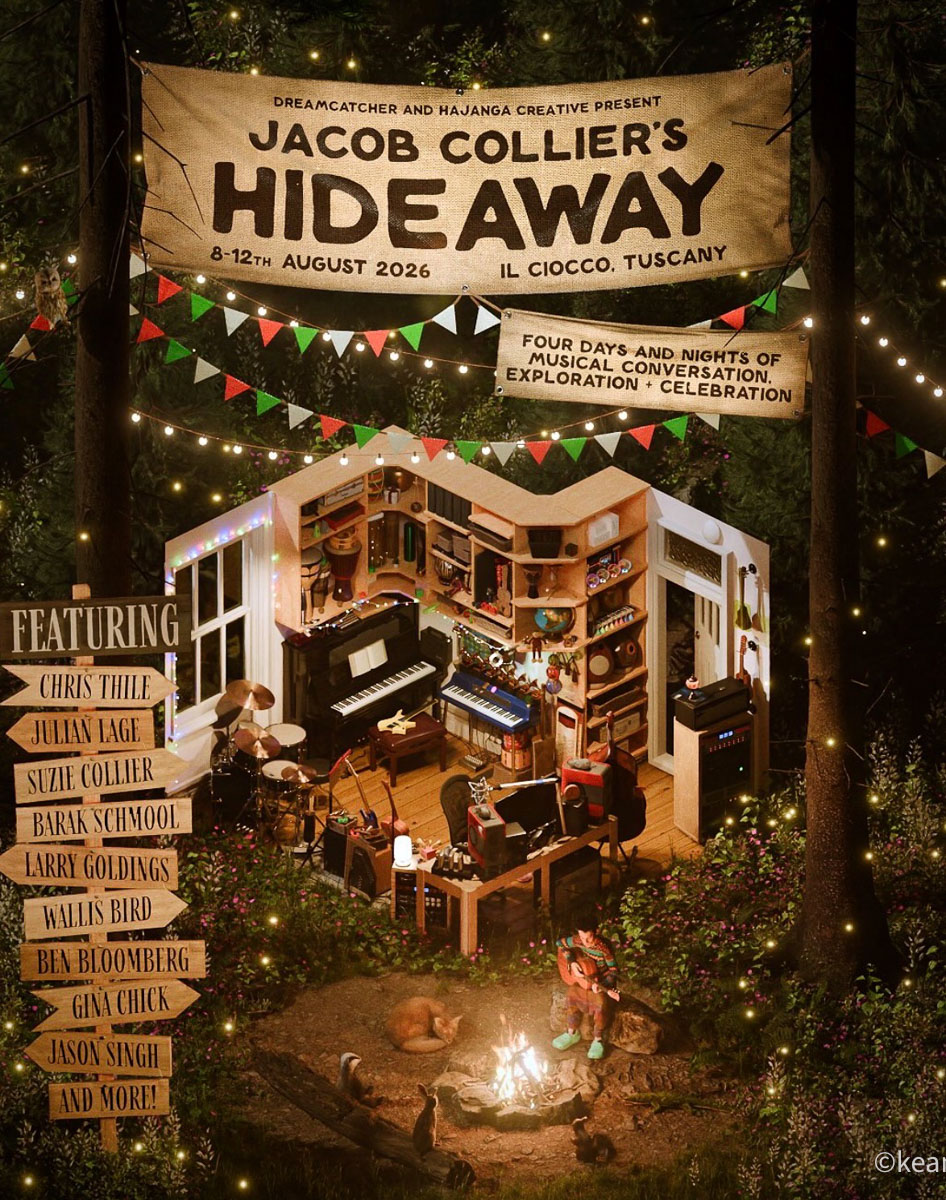
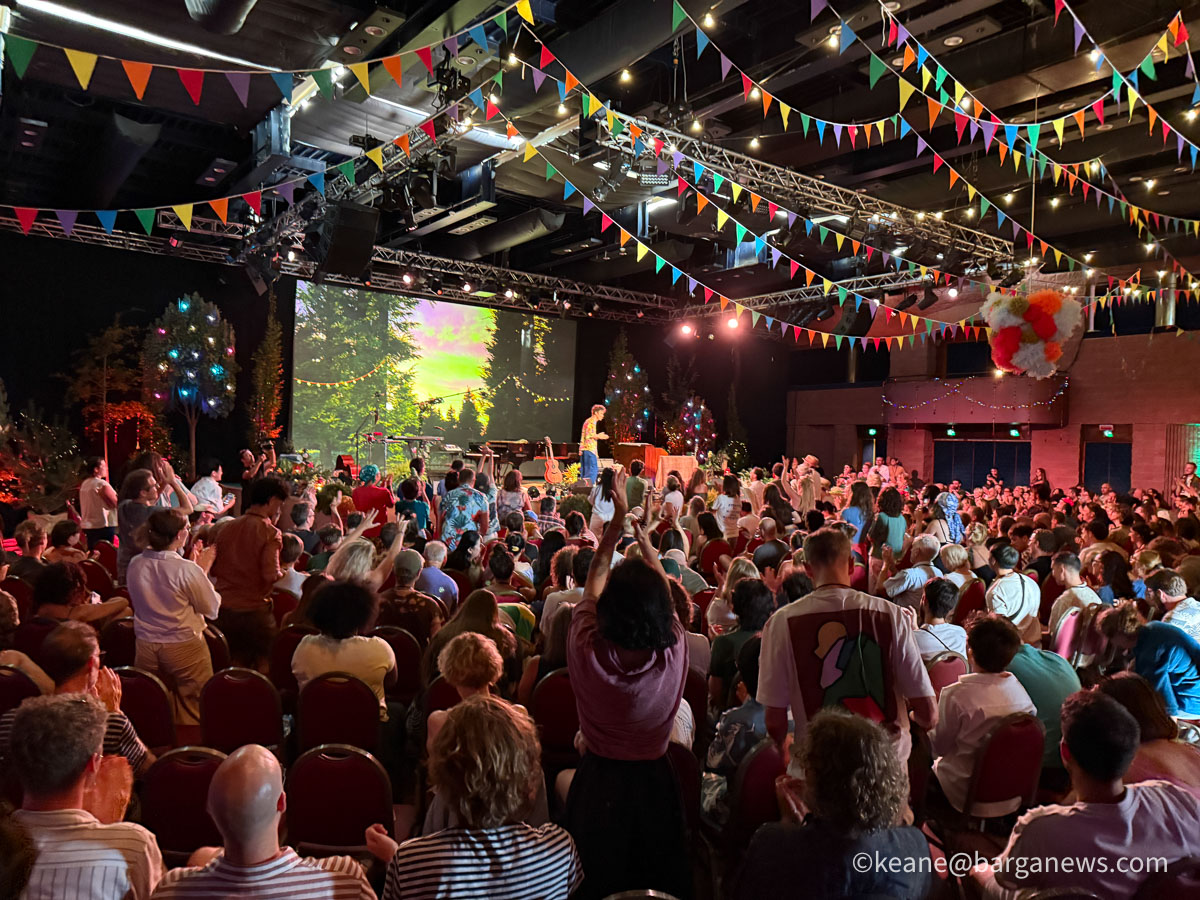
Around 450 guests from more than 40 countries had travelled to Il Ciocco for Jacob Collier’s Hideaway, the four-day gathering taking place from 8 to 12 August on the 600-acre estate in the Tuscan hills.
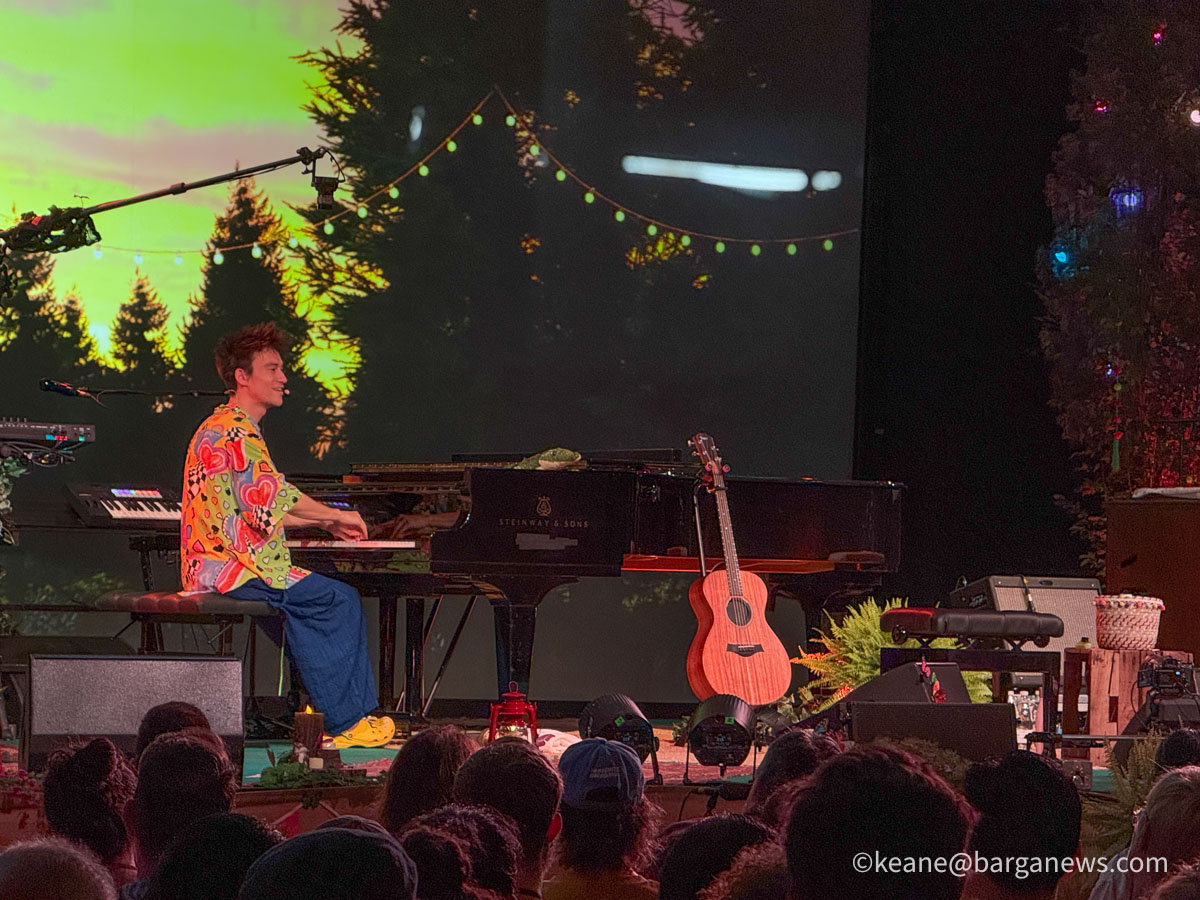
Designed for musicians and music lovers of all ages, levels and musical backgrounds, the Hideaway brought people together for masterclasses, workshops and smaller breakout sessions covering harmony, improvisation, songwriting, production and performance. The evenings opened into concerts and spontaneous collaborations, with the distinction between performer and audience deliberately becoming less clear.
Jacob Collier is a multi-instrumentalist, composer, and producer renowned for his extreme harmonic complexity, viral multi-track a cappella videos, and interactive live “audience choirs”. Endorsed heavily by legends like Quincy Jones, he has won six Grammy Awards and pushes the boundaries of modern pop, jazz, and classical music theory
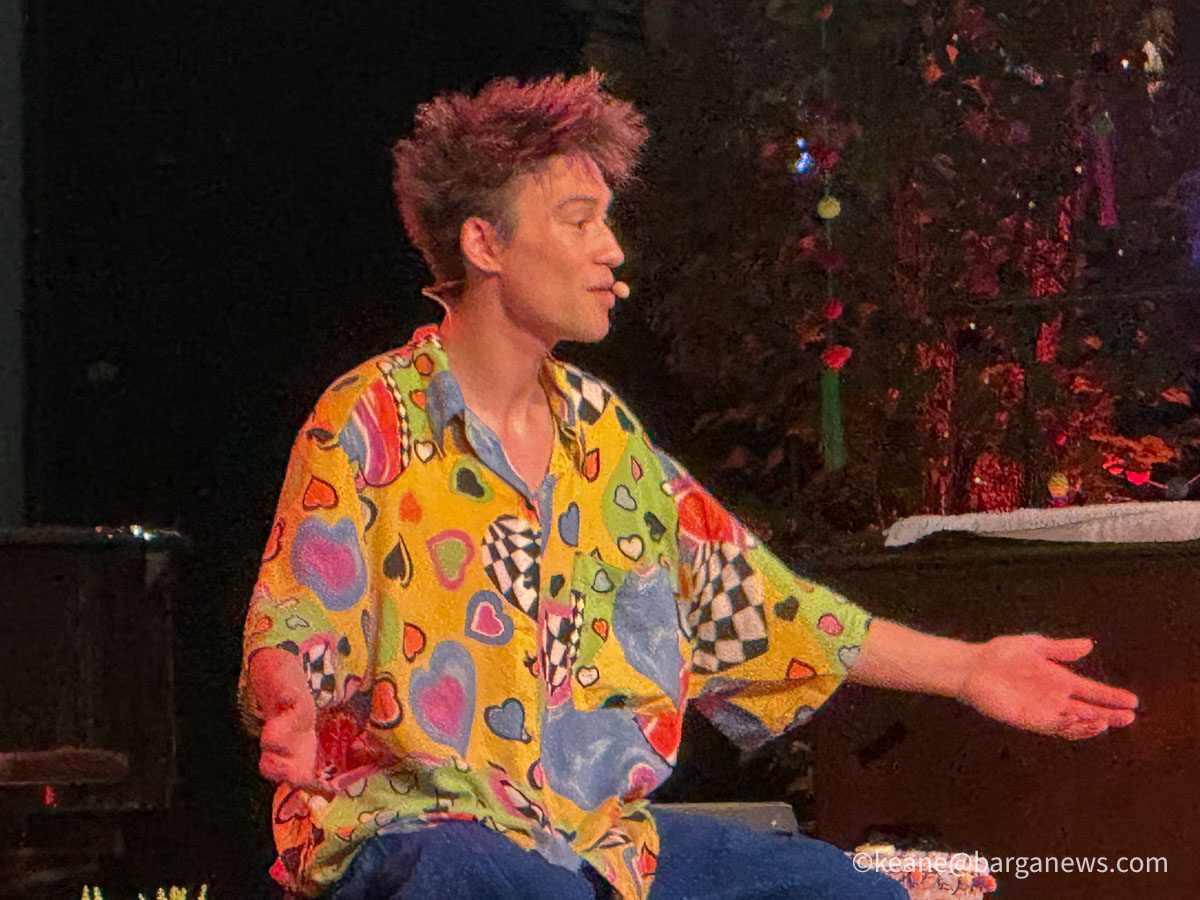
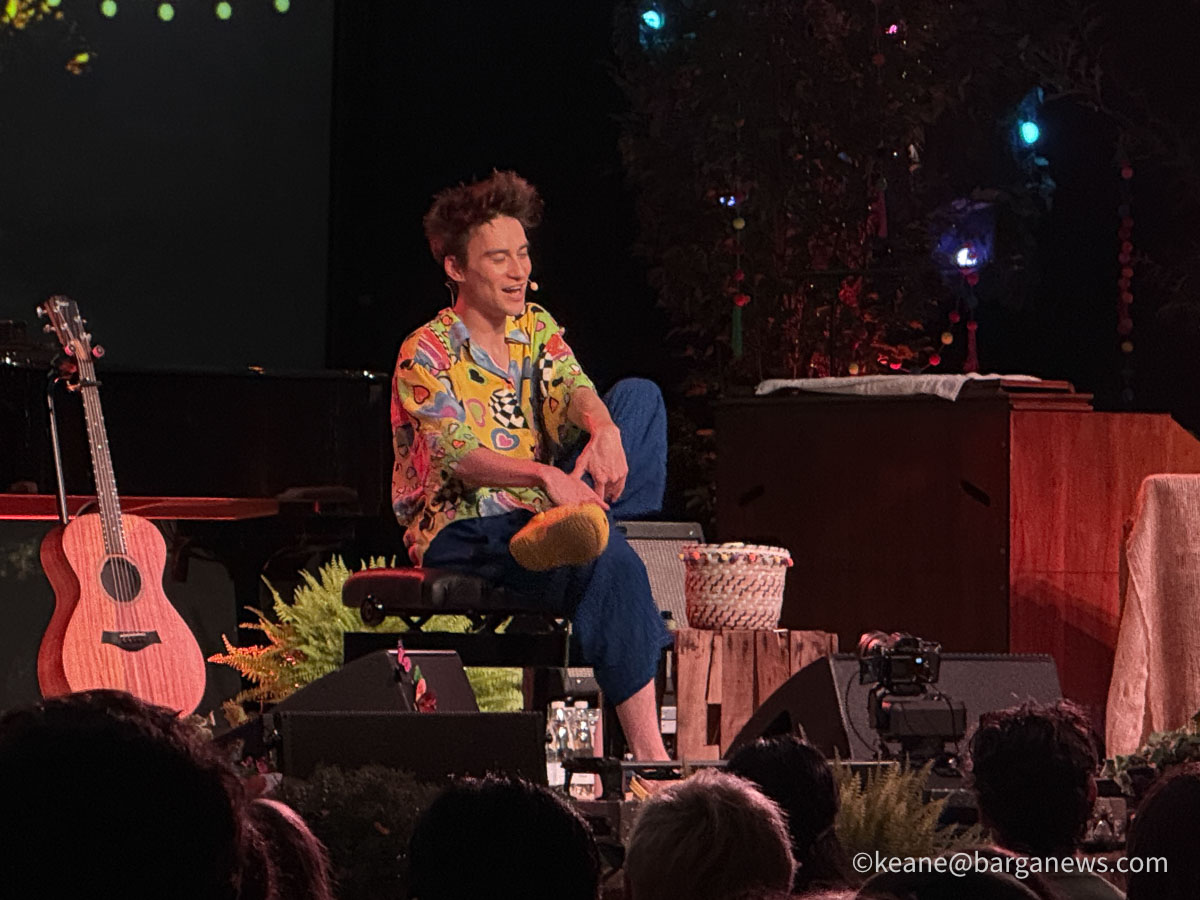
Speaking in the auditorium at Il Ciocco on Tuesday afternoon, Collier explained that this breaking down of barriers between musician and audience has become increasingly important to the way he thinks about music.
His starting point, he said, remains intensely personal.
“I’m going to make things I absolutely love.”
But while his music begins with making something that excites him, Collier said he has become increasingly interested in what happens when those discoveries are shared.
He is less interested in somebody leaving a Jacob Collier concert simply thinking how extraordinary the performer was, and more interested in the possibility that they might leave feeling that music belongs to them too — that they can participate in it, explore it and pass it onwards.
“I didn’t come up with this stuff,” he said. “I’m just passing the cups around.”
It was an idea particularly relevant to the gathering at Il Ciocco. Sitting before him were hundreds of people who had travelled from across the world, bringing different languages, cultures, musical traditions and levels of experience into the same space.
For Collier, however, simply putting people together does not automatically create a community.
“I don’t think you can start with community,” he said. “You have to start with trust and curiosity.”
Curiosity has played an important part in his own development as a musician. After spending the early years of his career establishing his individual musical world and discovering what interested him creatively, collaboration increasingly became another way of asking questions.
Rather than approaching musicians from other genres and traditions with the intention of imposing his own ideas, he described entering those encounters wanting to understand what other people could teach him.
“Show me what you do. I want to know.”
Trust, he argued, develops in much the same way. It cannot simply be declared. It grows through listening, sensitivity and awareness of the people around you.
“The quality of attention builds trust,” he said, “and then trust builds community.”
That sentence perhaps came closest to explaining what the Hideaway was attempting to achieve.
Across the four days at Il Ciocco, the masterclasses and workshops were certainly about music — harmony, improvisation, rhythm, songwriting, production and performance — but Collier’s remarks suggested that something else was taking place alongside them.
People were learning how to listen to one another.
For Collier, the ultimate test of whether such a community really exists is what happens when the person who brought everyone together is no longer present.
Recalling an idea he had once heard about culture, he suggested that the true character of a group is revealed by what happens when its leader leaves the room.
“When I leave the room, what’s left? That’s the culture I’m making.”
That gives the Hideaway an interesting significance beyond being another event built around one of the world’s most celebrated contemporary musicians.
The 450 people gathered at Il Ciocco had come from more than 40 countries because of Jacob Collier. But the success of what he was trying to create may ultimately be measured by what happens between those people when Jacob Collier is not in the room.
Having already achieved many of the ambitions he once had as a solo musician, Collier said he is increasingly interested in a larger and perhaps more difficult creative question.
Not simply: What can I make?
But: What can we build together?
“And that,” he said, “is exciting.”




Jacob Collier’s Hideaway porta al Ciocco una comunità musicale da tutto il mondo
Difficilmente si sarebbe potuto immaginare un luogo più appropriato per Jacob Collier per parlare di fiducia, curiosità e del significato di comunità musicale.
Circa 450 ospiti provenienti da oltre 40 Paesi sono arrivati al Ciocco per il Jacob Collier’s Hideaway, l’evento di quattro giorni in programma dall’8 al 12 agosto nella tenuta di 600 acri immersa nelle colline toscane.
Pensato per musicisti e appassionati di musica di ogni età, livello e formazione musicale, l’Hideaway ha riunito i partecipanti attraverso masterclass, workshop e incontri in piccoli gruppi dedicati all’armonia, all’improvvisazione, alla composizione, alla produzione e alla performance. La sera, spazio ai concerti e alle collaborazioni musicali spontanee, in un contesto nel quale il confine tra artista e pubblico diventava volutamente sempre meno netto.
Jacob Collier è un polistrumentista, compositore e produttore rinomato per la sua estrema complessità armonica, i suoi video virali a cappella multitraccia e i suoi “cori” interattivi dal vivo con il pubblico. Apprezzato da leggende come Quincy Jones, ha vinto sei Grammy Awards e spinge i confini della musica pop, jazz e classica moderna.
Parlando martedì pomeriggio nell’auditorium del Ciocco, Collier ha spiegato come questo superamento delle barriere tra musicista e pubblico sia diventato sempre più importante nel suo modo di concepire la musica.
Il suo punto di partenza, ha detto, rimane profondamente personale.
«Voglio creare cose che amo profondamente.»
Ma se la sua musica nasce dal desiderio di creare qualcosa che lo entusiasmi, Collier ha spiegato di essere sempre più interessato a ciò che accade quando quelle scoperte vengono condivise.
Gli interessa sempre meno che qualcuno esca da un concerto di Jacob Collier pensando semplicemente a quanto sia straordinario l’artista. Quello che gli interessa davvero è la possibilità che quella persona esca sentendo che la musica appartiene anche a lei — che può parteciparvi, esplorarla e, a sua volta, trasmetterla agli altri.
«Queste cose non le ho inventate io», ha detto. «Sto semplicemente facendo girare le tazze.»
Un’idea particolarmente significativa nel contesto dell’incontro al Ciocco. Davanti a lui sedevano centinaia di persone arrivate da ogni parte del mondo, portando nello stesso spazio lingue, culture, tradizioni musicali e livelli di esperienza differenti.
Per Collier, tuttavia, mettere semplicemente insieme delle persone non significa automaticamente creare una comunità.
«Non credo che si possa partire dalla comunità», ha detto. «Bisogna partire dalla fiducia e dalla curiosità.»
La curiosità ha avuto un ruolo fondamentale anche nella sua crescita come musicista. Dopo aver trascorso i primi anni della carriera a costruire il proprio universo musicale e a scoprire ciò che lo interessava creativamente, la collaborazione è diventata sempre più un altro modo per porsi delle domande.
Invece di avvicinarsi a musicisti provenienti da altri generi e tradizioni con l’intenzione di imporre le proprie idee, Collier ha raccontato di aver affrontato questi incontri cercando di capire che cosa gli altri potessero insegnargli.
«Fammi vedere quello che fai. Voglio capire.»
La fiducia, ha sostenuto, nasce in modo molto simile. Non basta semplicemente dichiararla. Cresce attraverso l’ascolto, la sensibilità e l’attenzione verso le persone che ci circondano.
«La qualità dell’attenzione costruisce la fiducia», ha detto, «e la fiducia costruisce la comunità.»
È forse questa la frase che più di ogni altra riesce a spiegare ciò che l’Hideaway stava cercando di realizzare.
Durante i quattro giorni al Ciocco, le masterclass e i workshop erano certamente dedicati alla musica — armonia, improvvisazione, ritmo, composizione, produzione e performance — ma dalle parole di Collier emergeva chiaramente che, parallelamente, stava accadendo qualcos’altro.
Le persone stavano imparando ad ascoltarsi.
Per Collier, la prova definitiva dell’esistenza di una vera comunità arriva quando la persona che l’ha riunita non è più presente.
Ricordando un’idea che aveva sentito una volta a proposito della cultura, ha suggerito che il vero carattere di un gruppo si rivela quando chi lo guida esce dalla stanza.
«Quando esco dalla stanza, che cosa rimane? Quella è la cultura che sto creando.»
È questo che conferisce all’Hideaway un significato particolare, andando oltre l’idea di un semplice evento costruito attorno a uno dei musicisti contemporanei più celebrati al mondo.
Le 450 persone riunite al Ciocco erano arrivate da oltre 40 Paesi grazie a Jacob Collier. Ma il successo di ciò che stava cercando di creare potrebbe, alla fine, essere misurato proprio da ciò che accade tra quelle persone quando Jacob Collier non è nella stanza.
Avendo già realizzato molti dei sogni e degli obiettivi che si era posto come musicista solista, Collier ha detto di essere sempre più interessato a una domanda creativa più ampia e, forse, più difficile.
Non semplicemente: Che cosa posso creare?
Ma: Che cosa possiamo costruire insieme?
«Ed è questo», ha detto, «che mi entusiasma.»