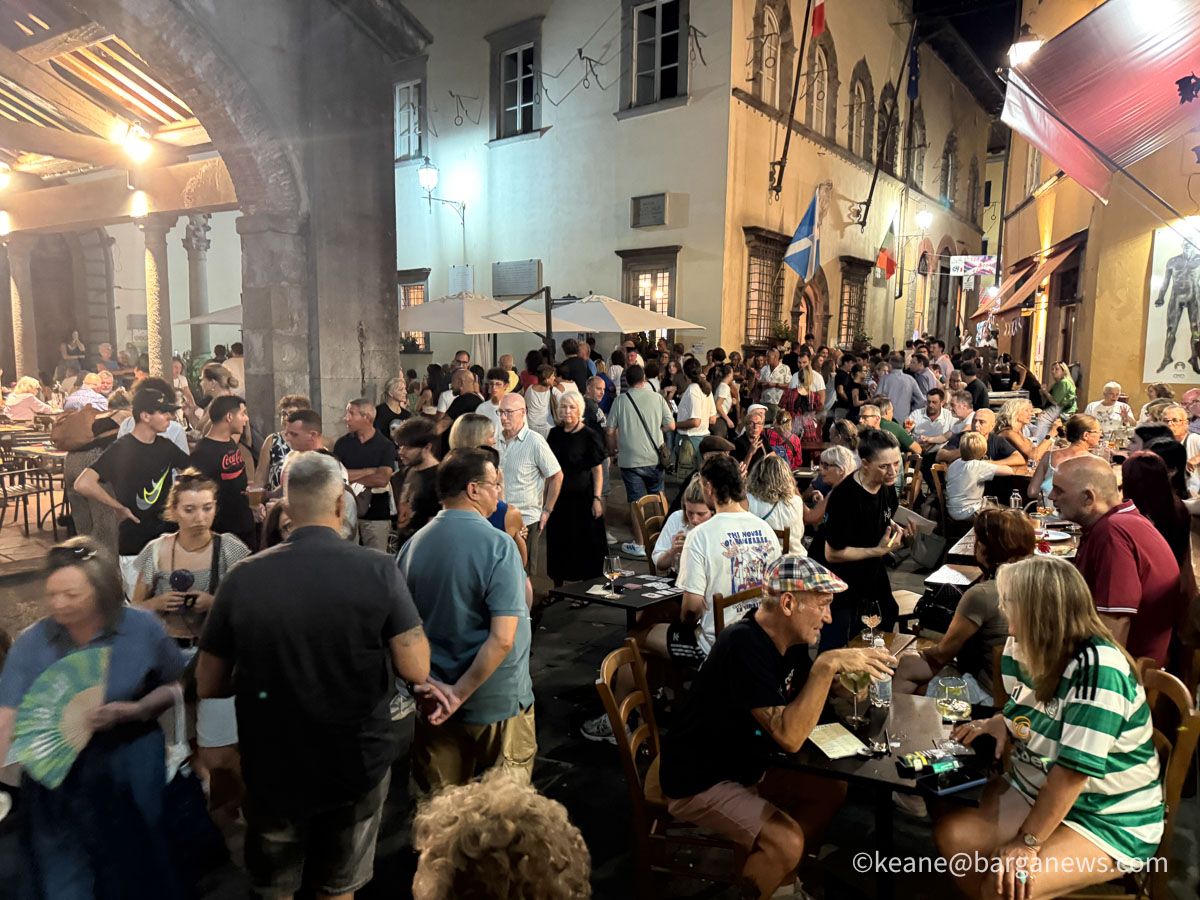
The Scottish Market opened across Piazza Garibaldi and other parts of Barga Vecchia, Scottish food appeared around the historic centre and pipes and drums could be heard moving through the streets.
After the arrivals and official welcomes of the previous days, Saturday was when the festival expanded across the city.
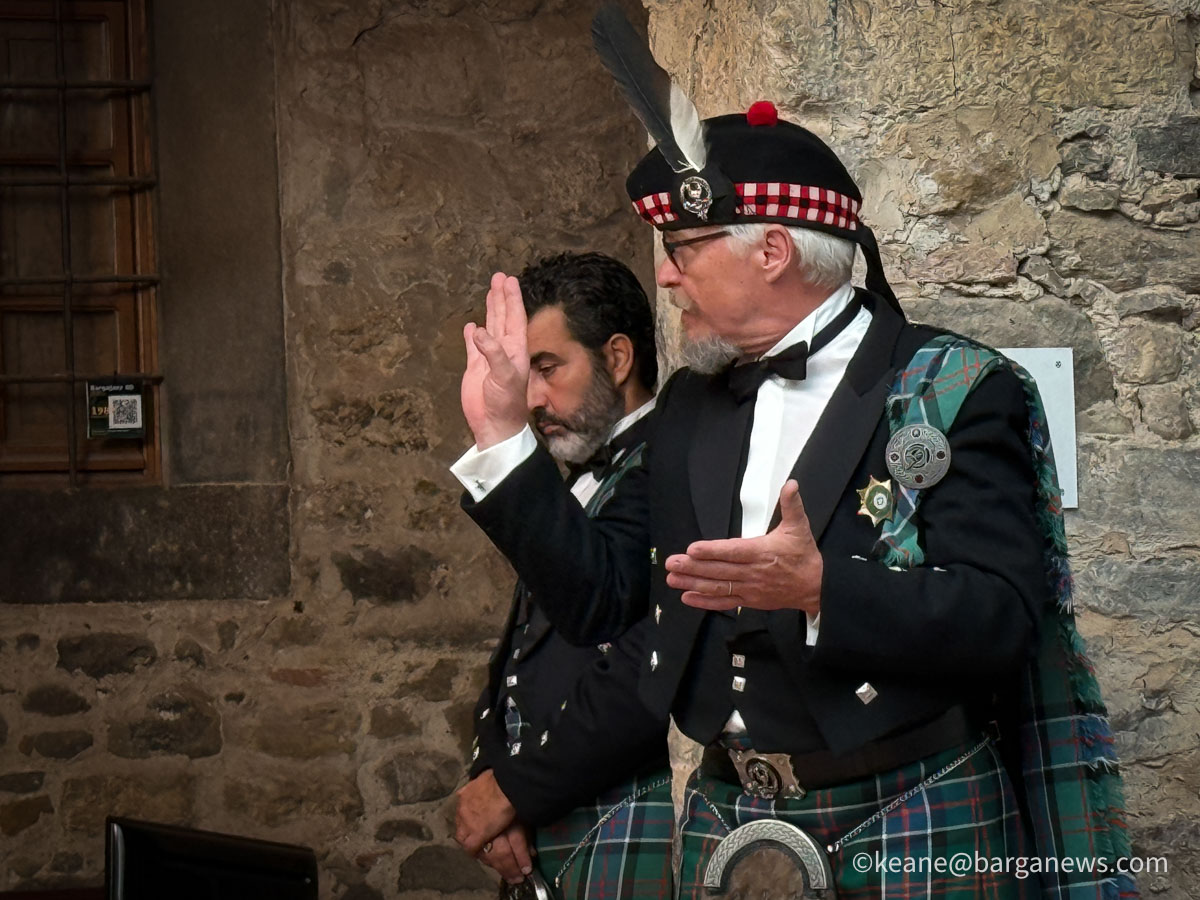
The Isle of Skye Youth Pipe Band and Skye Highland Dancers and the Docs and Socs Pipe Band continued their performances through the streets, bringing musicians, dancers, visitors and residents together in the confined spaces of the old town.
The market added another dimension, turning parts of Barga Vecchia into a meeting place for Scottish culture, products and traditions.
Food was inevitably part of the story.
Barga Scottish Street Food was organised with the involvement of Gatti Randagi FC BARGA, ASD Barga 1924, ASD Giesse Barga and Coop. Cuore di Motrone e San Romano, adding tastes of Scotland to a weekend already dominated by Scottish sounds.
But Saturday was about considerably more than pipes, kilts and food.
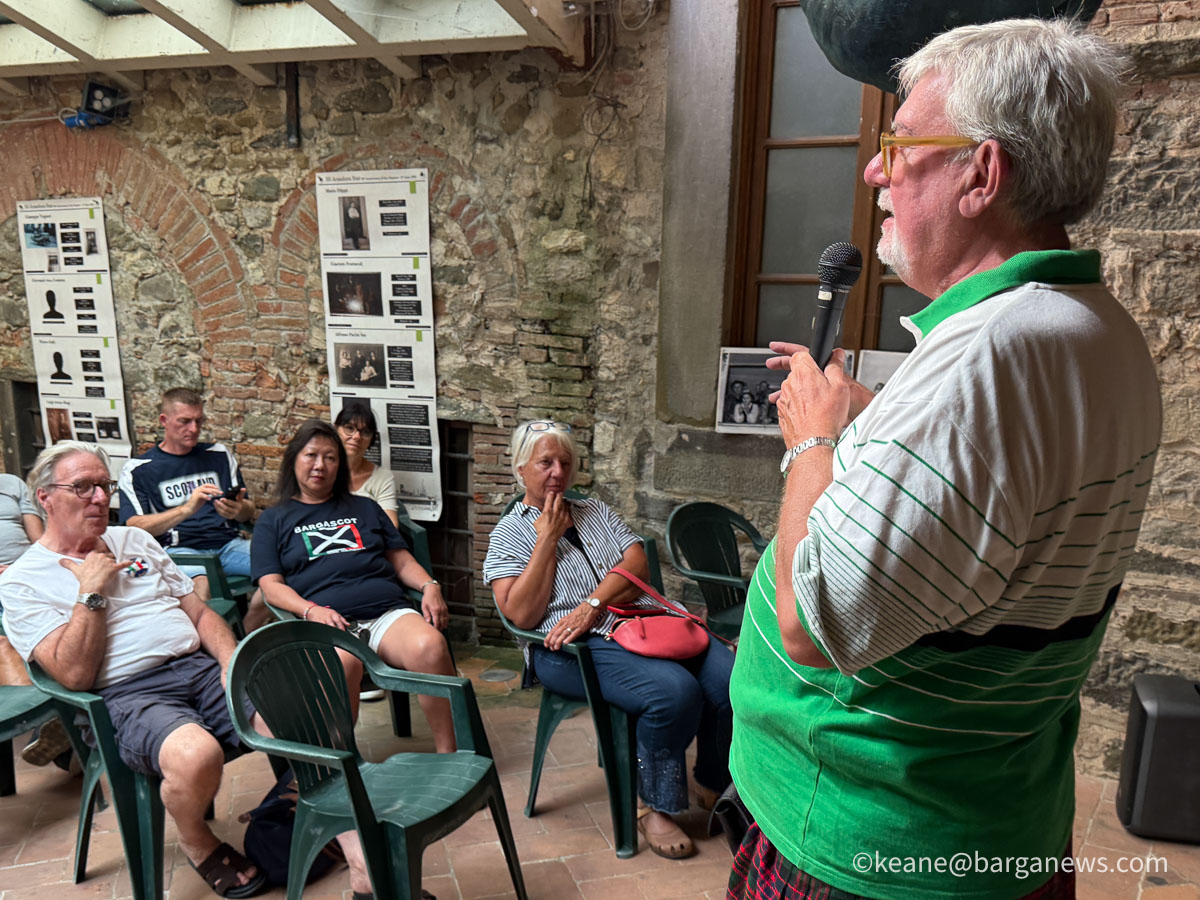
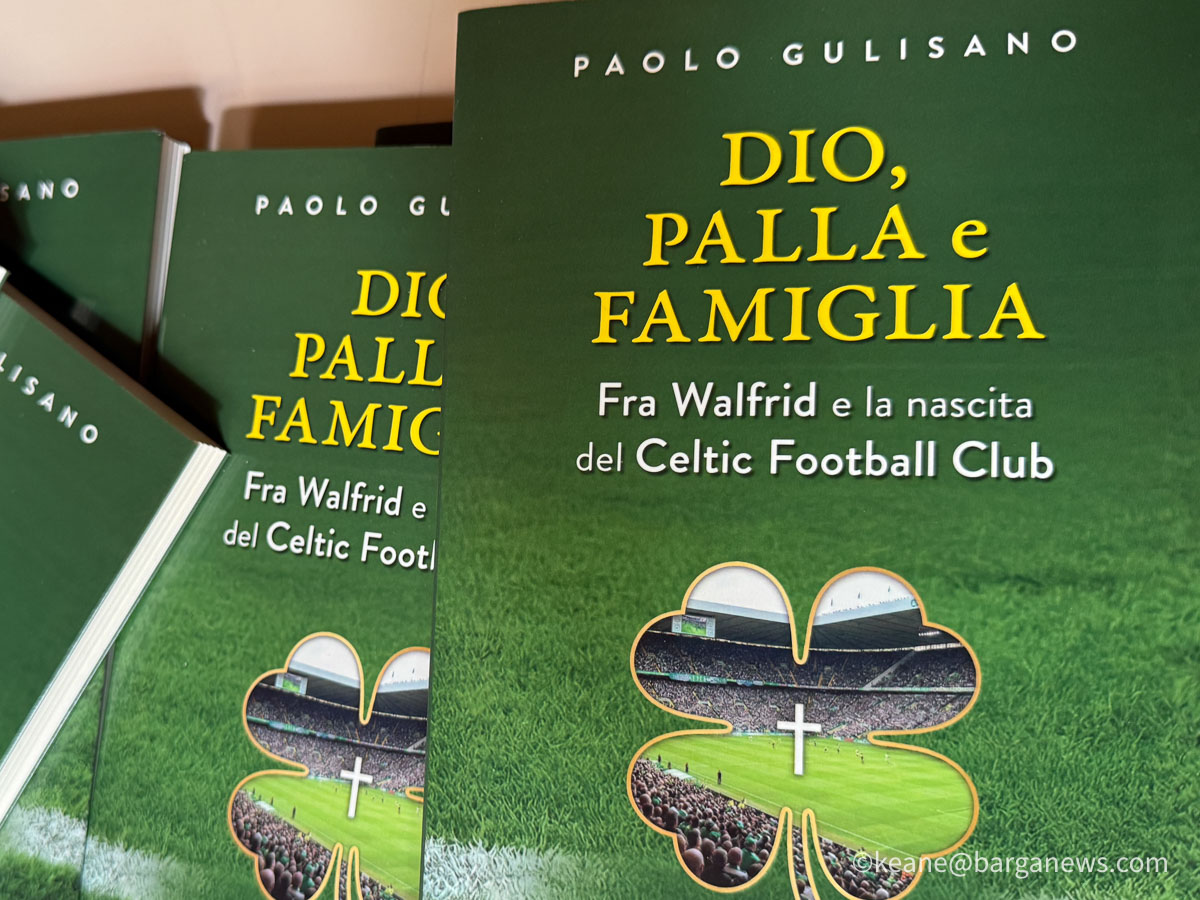
At the Volta dei Menchi Paolo Gulisano presented “Dio, palla e famiglia – Fra Walfrid e la nascita del Celtic Football Club”, telling the story of Brother Walfrid and the origins of Celtic Football Club. The subject placed football within a much wider story of community, faith, migration and identity — themes which have particular resonance in Barga, where connections with Scotland have been shaped by generations of emigrants and their families.
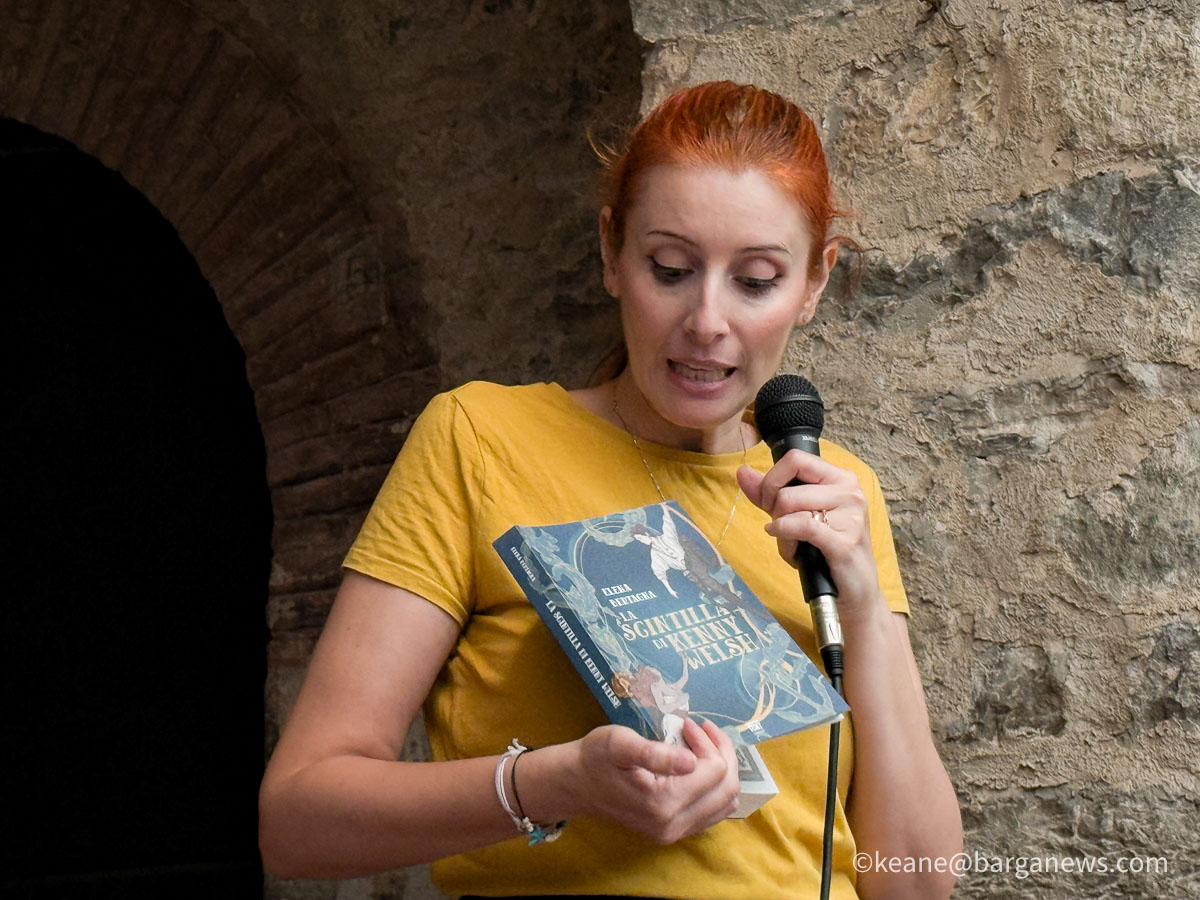
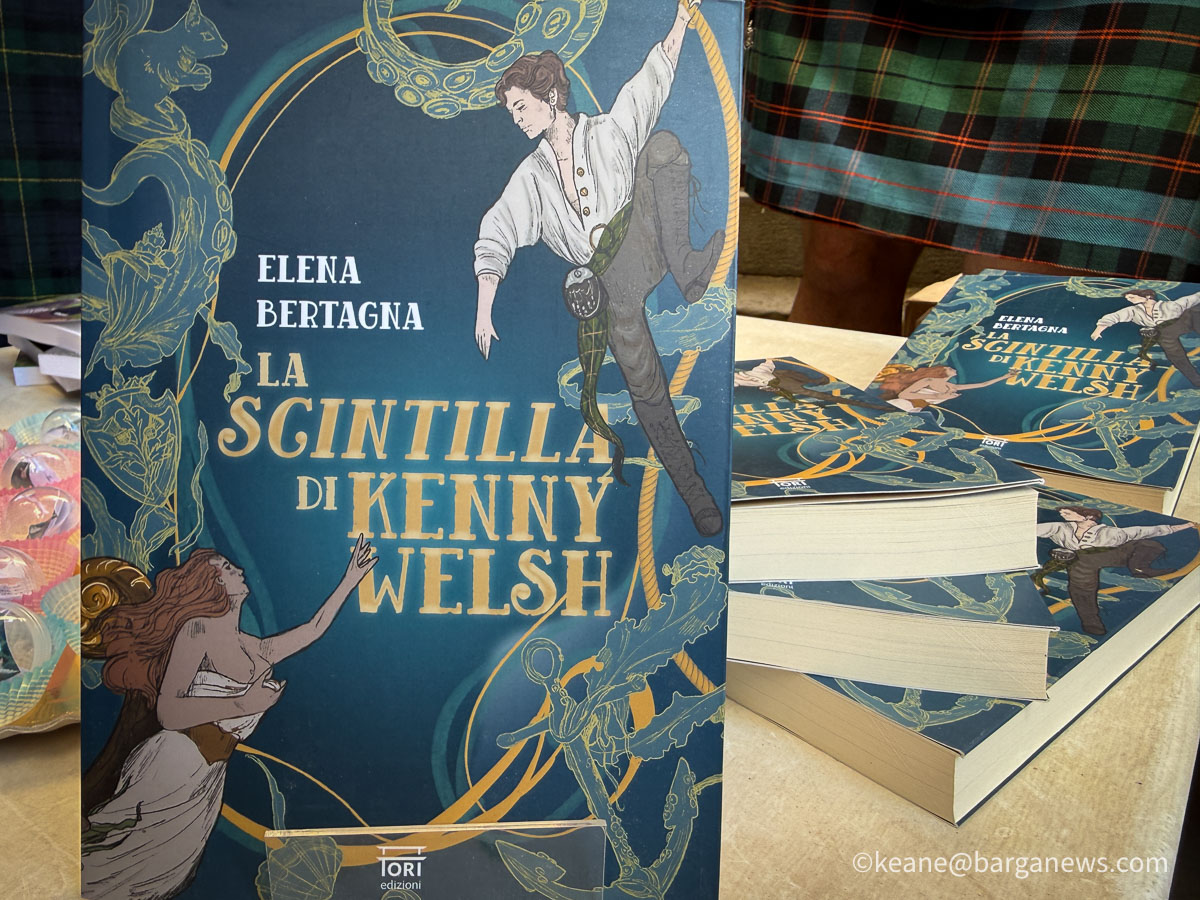
Another journey into Scotland came with “La scintilla di Kenny Welsh”, presented by Elena Bertagna and Riccardo Barioni. The book provided another example of how an initial encounter with Scotland can become the starting point for a much larger story.
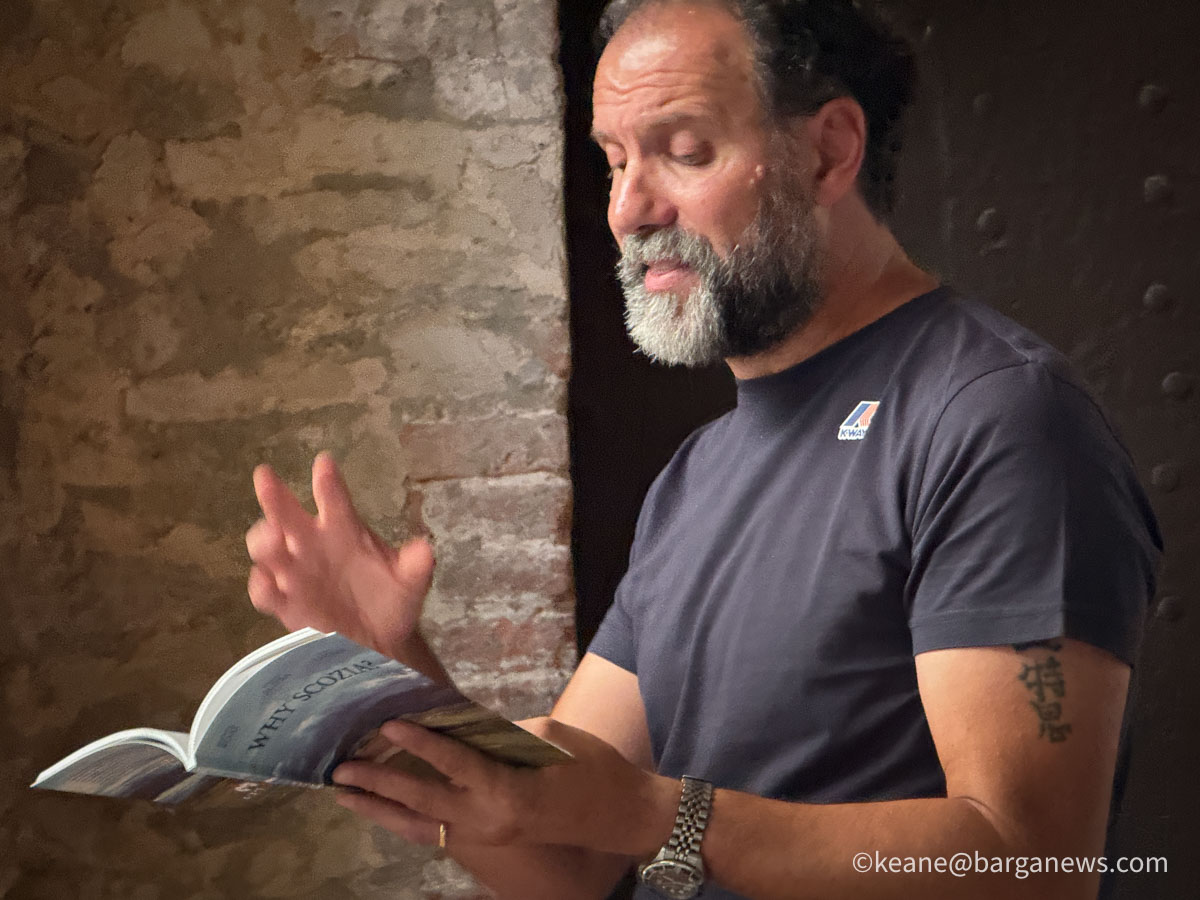
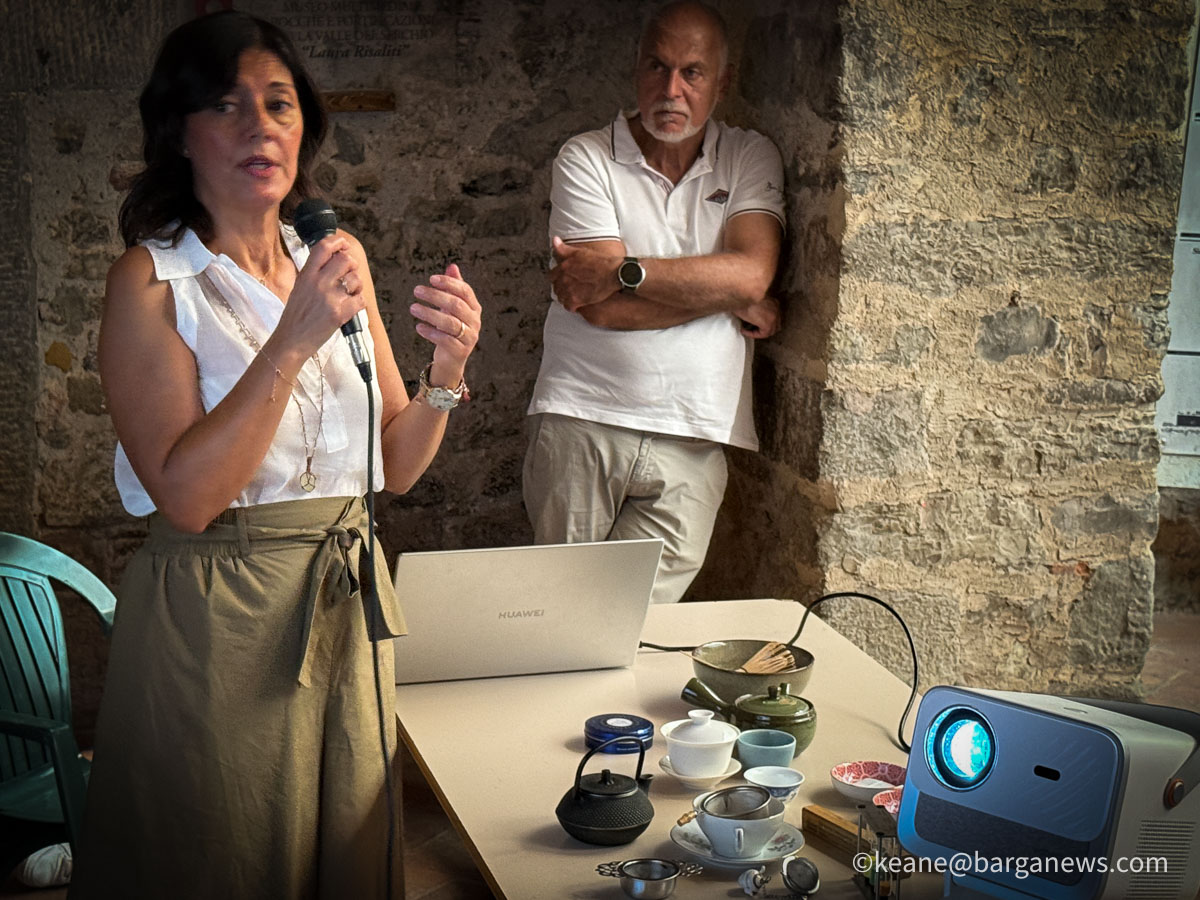
The afternoon programme also included “Le tipologie di tè e la sua preparazione”, curated by Renata Giannecchini, while the “Why Scotland?” presentation involved Maurizio Barilli, Massimiliano Zerbini, Fausto Villazzi and Renzo Mazzolari and also included a documentary.
On the terrace of the Museo Stanze della Memoria, the Società di Danza – Circolo di Lucca introduced participants to the first steps of Scottish country dancing.
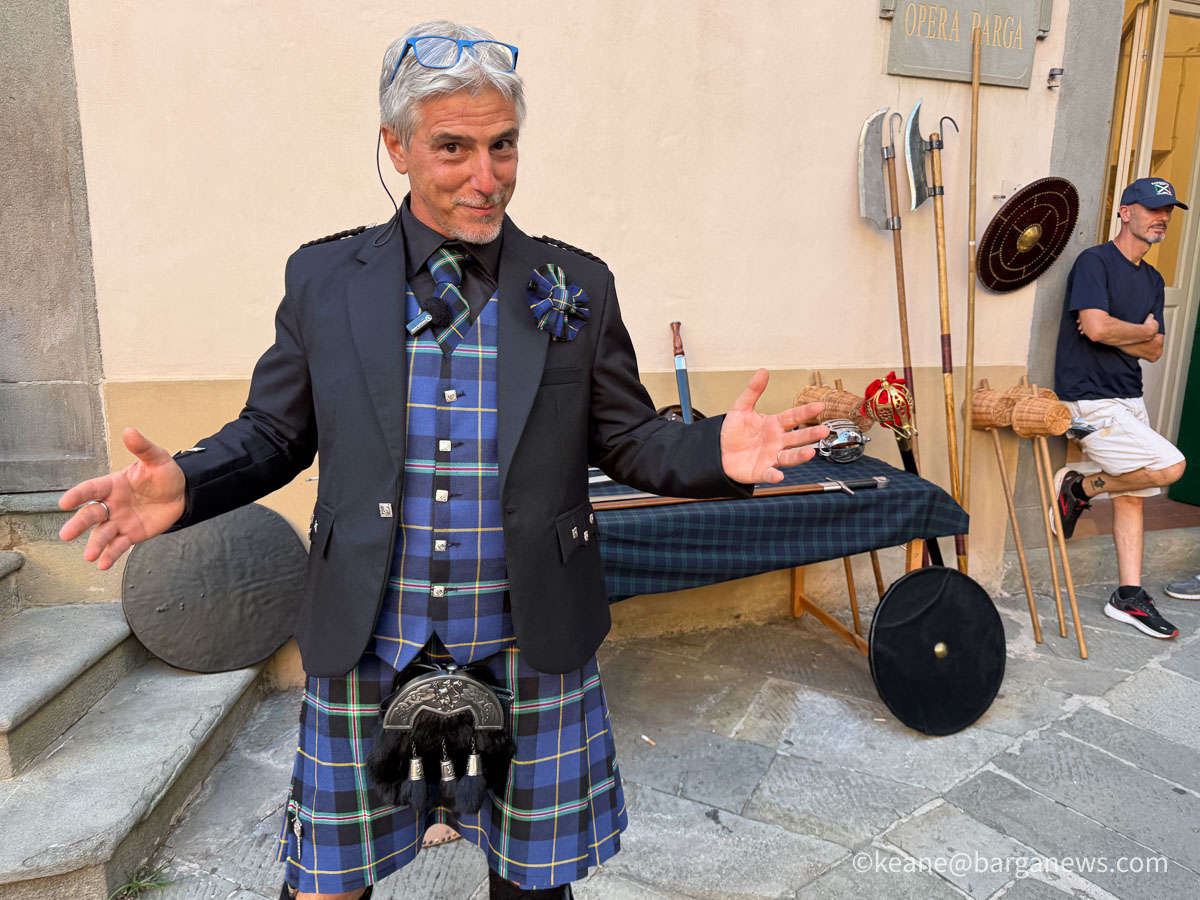
Piazza Angelio offered something altogether different when Claymore Italia presented Scottish martial traditions and Scottish fencing.
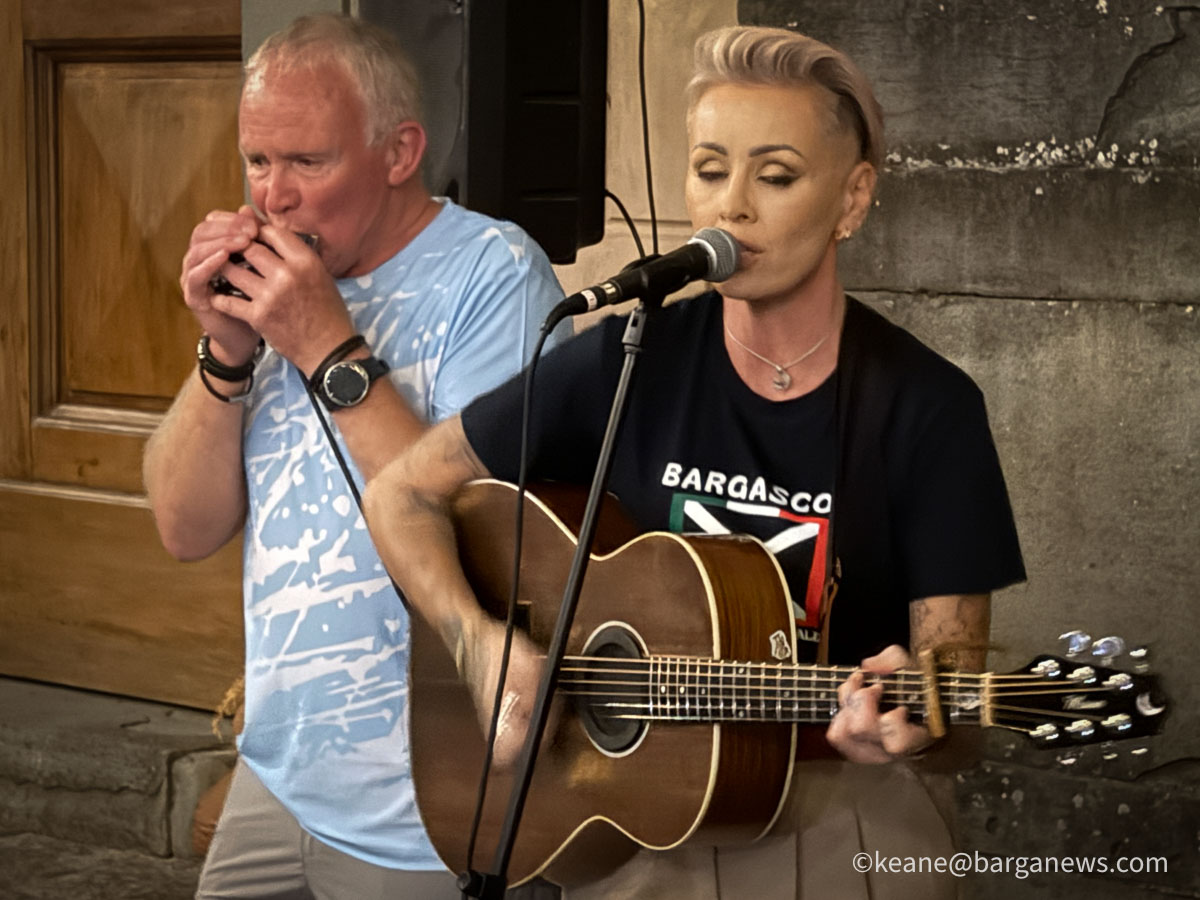
As daylight disappeared, music again became the centre of attention.
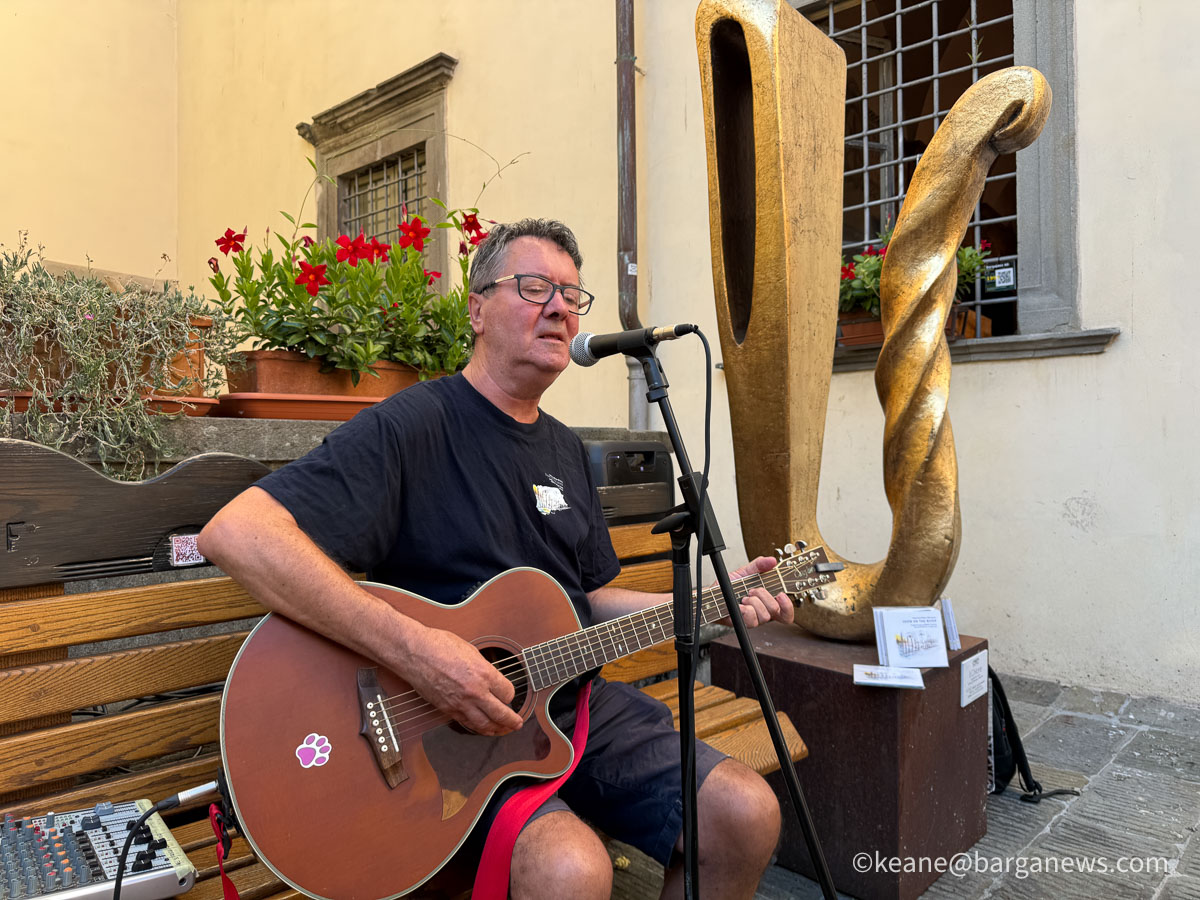
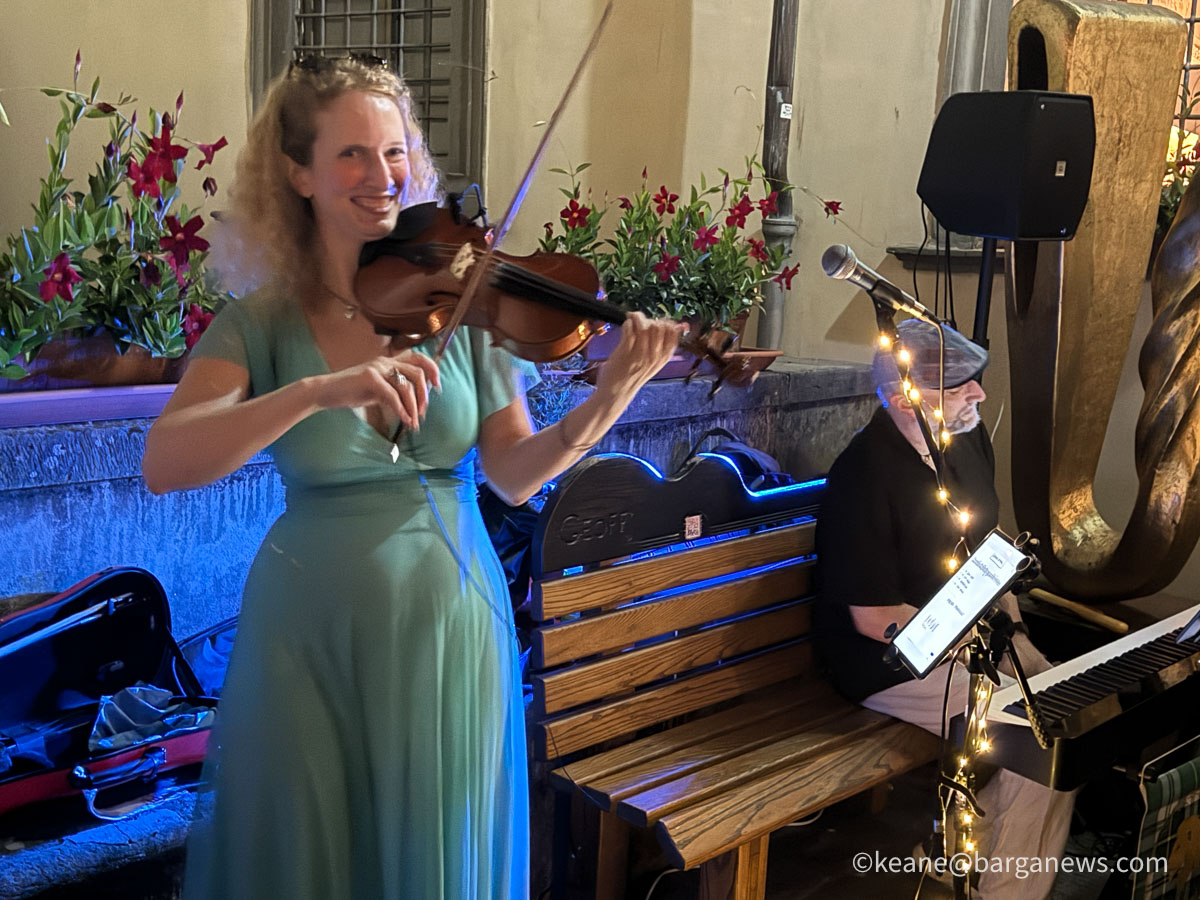
Oscar McLellan performed Snow on the River, Jill Jackson returned to the festival stage and Lionhead brought more live music to Piazza Salvo Salvi.
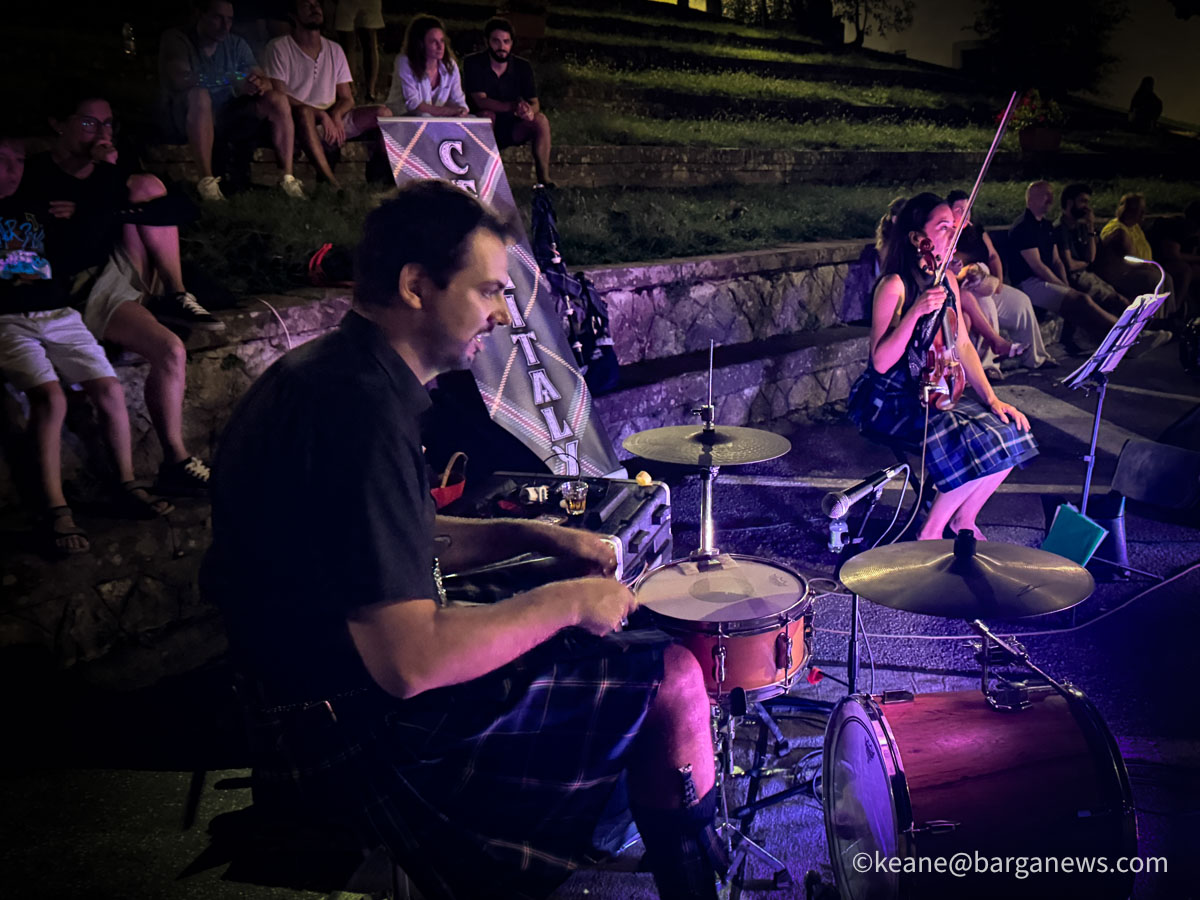
The day finally moved towards collective dancing on the Piazzale del Fosso with Ceilitaly and the Barga Ceilidh Dance.
It had been a long day, but perhaps one that best demonstrated what the Barga Scottish Festival had become.
It was no longer simply an event about Barga’s Scottish past.
For a day, Scotland had become part of the everyday life of Barga Vecchia.