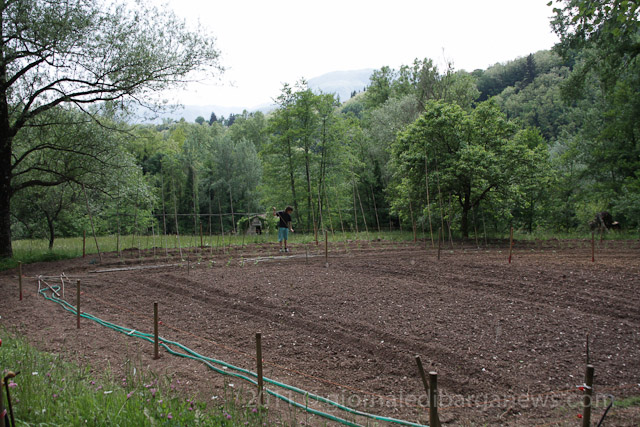
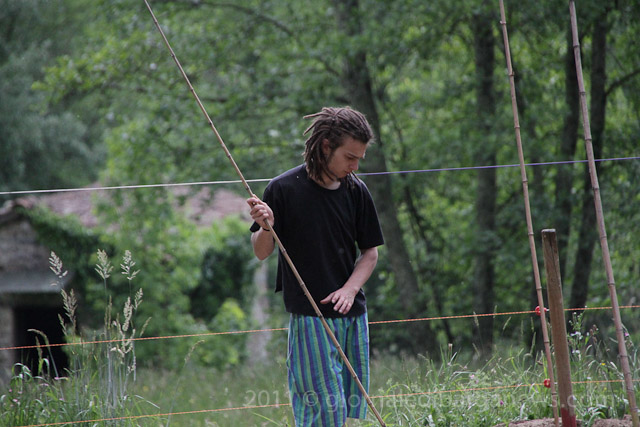
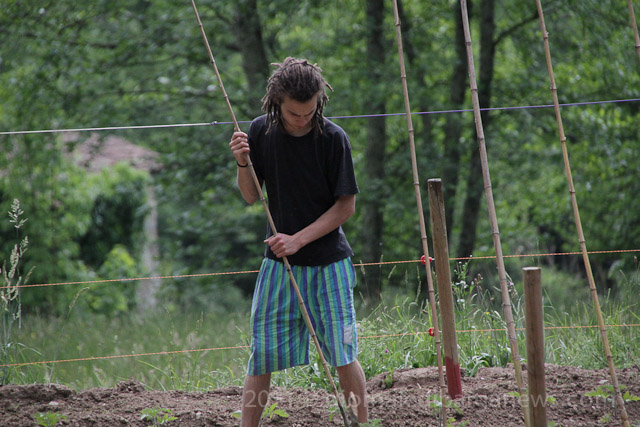
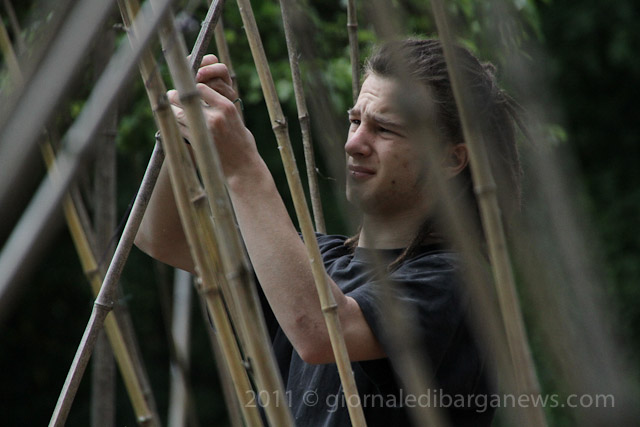
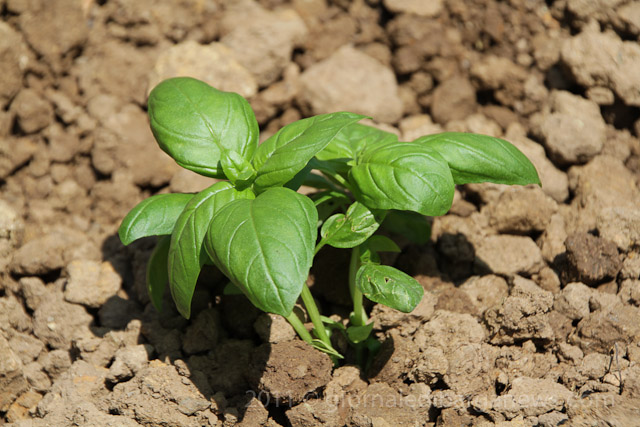
 Time for planting and seeding in the vegetable garden. So far 100 tomato plants have been put into the ground comprising four different types – three mainly for bottling later on in the season for pomarola, and the fourth for salad during the summer. Two types of dwarf runner beans have been sown in the bottom field along with a couple of lines of peas, which we will try for the first time this year.
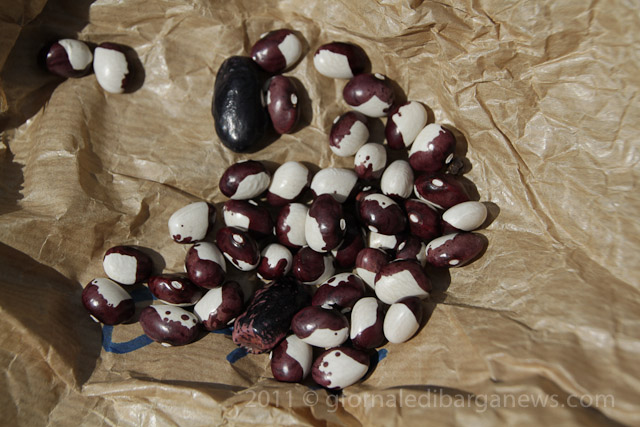
A friend also handed us a paper bag with some beans of varying shapes and sizes and colours the identity of which has not been exactly fixed … so we’re simply calling them, the magic beans … lets see in time just what they grow into. Also taking up quite a large part of the bottom field is a patch of ground set over for the Saraceno
Saraceno grain, originated in China but was brought into Europe as early as 1200, probably by the Mongol invasion. By the late 1500’s it was grown extensively in Garfagnana, where it was known as “grano nero” – black grain, before gradually disappearing during the 19th century as other grains from the New World took it’s place.
For the past four years researchers and scientists from the University of Florence have been collecting seeds and plants of various types of Saraceno and growing them under rigorously controlled conditions in two places in Garfagnana — at 1200 metres above sea level in Sillano and further down the valley at Camporgiano. The idea now is to reseed and repopulate Garfagnana with these Saraceno grains.

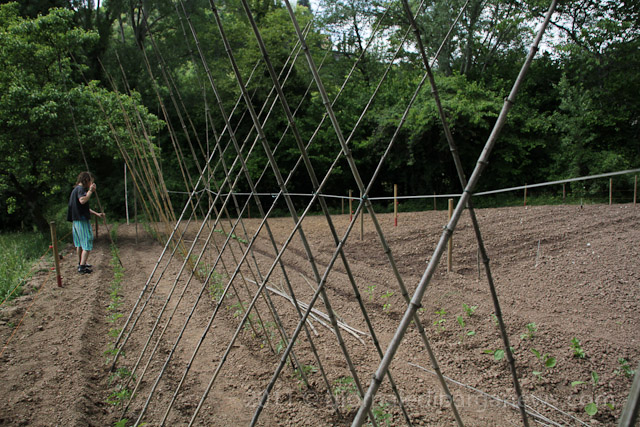


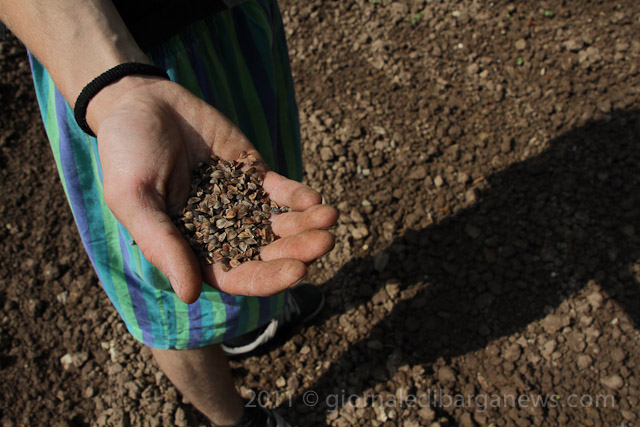
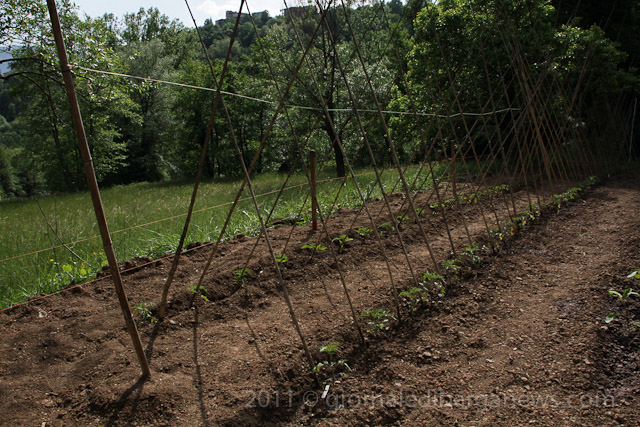

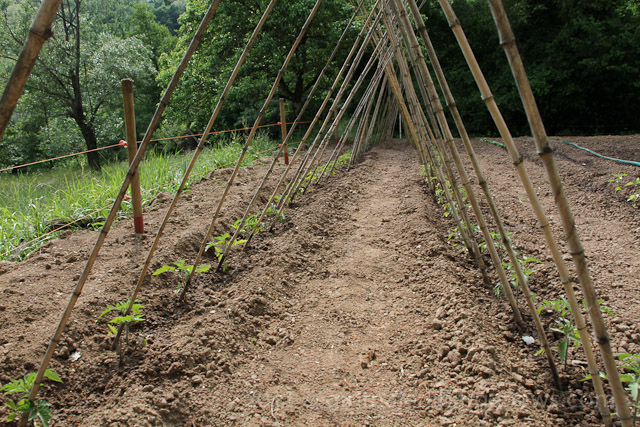
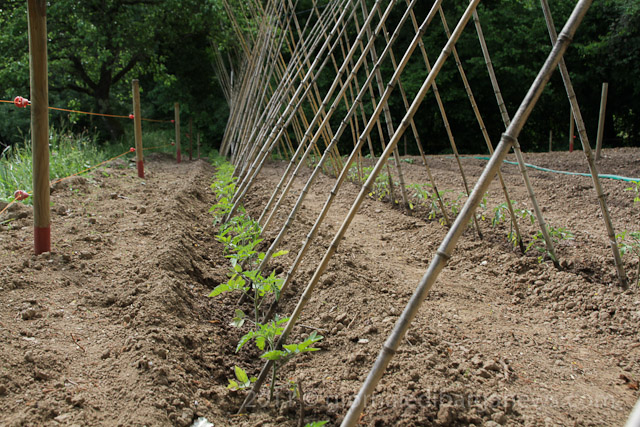

Last year the barganews vegetable garden was chosen chosen as one of the sites where these seeds would be planted and the staff at giornaledibarganews and those working on the barganews vegetable garden were obviously very proud and pleased the garden would be at the forefront of the gradual reintroduction of Grano Seraceno back into this area – full article here BUT unfortunately that was not to be.
The terrible weather of last year meant that the grain did not mature in time and the damp weather at the end of the season more or less destroyed the complete crop.
We are trying once again with a new batch of seed and hopefully we will have better luck this year. Fingers crossed on that one.
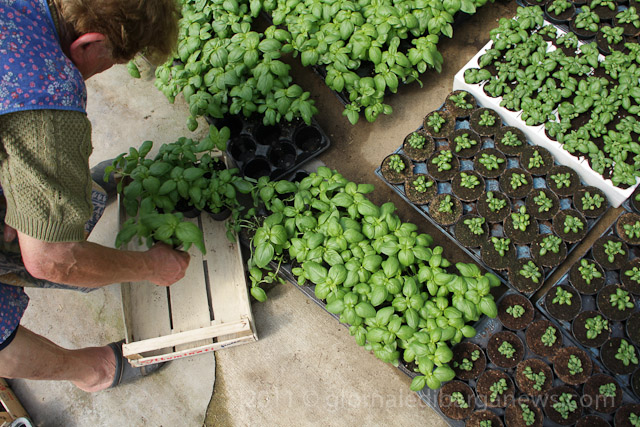




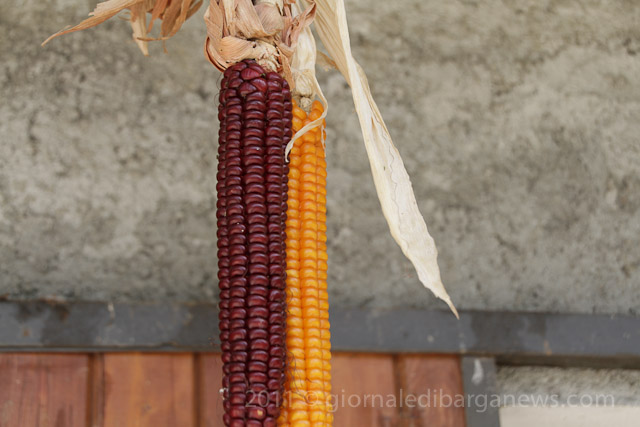
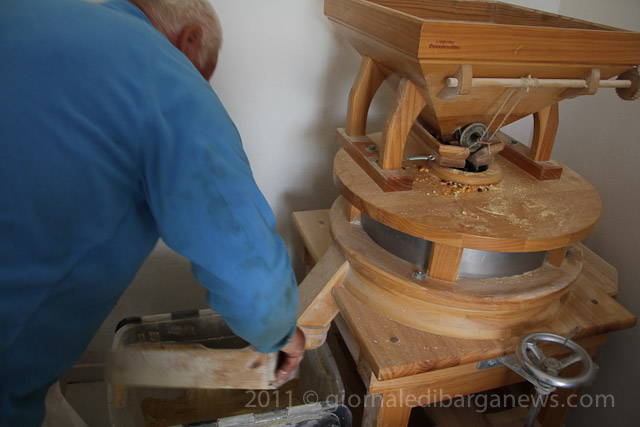


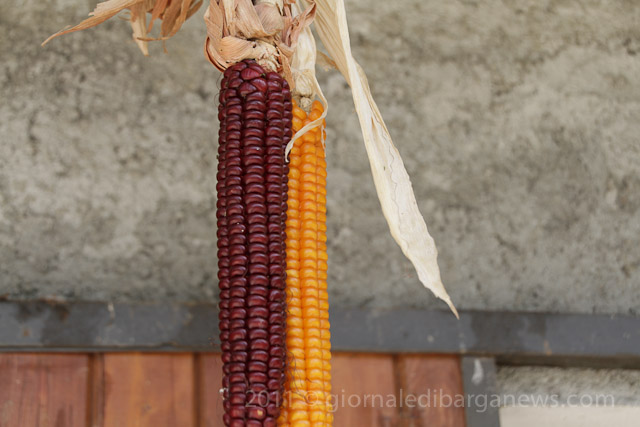
Another crop which suffered last year was the Formenton otto file – the local maize, which is ground down to make the polenta dish famous throughout this area. The Formenton otto file which we had stored during the winter was attacked by insects making it unusable and so we had to find some more.
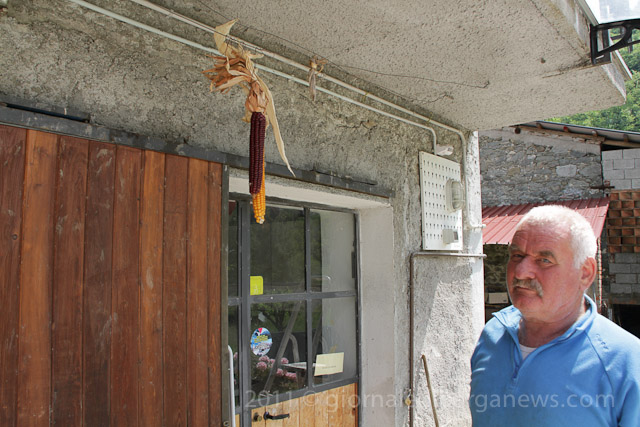
Who better than Alvaro Ferrari the President of the Associazione produttori Formenton Otto File Garfagnana e Valle del Serchio who has been growing and preserving the Formenton otto file for many years.
We called into his farm and laboratory at Ponte di Campia to pick up some hints on how to successfully grow Formenton otto file and information on how to keep it uncontaminated by other lesser maize crops.
Alvaro Ferrari Presidente dell’Associazione produttori Formenton Otto File Garfagnana e Valle del Serchio titolare dell’ Azienda Agricola “ IL VIGNERON ” talking about formenton otto file (in Italiano)
Alvaro’s site is here