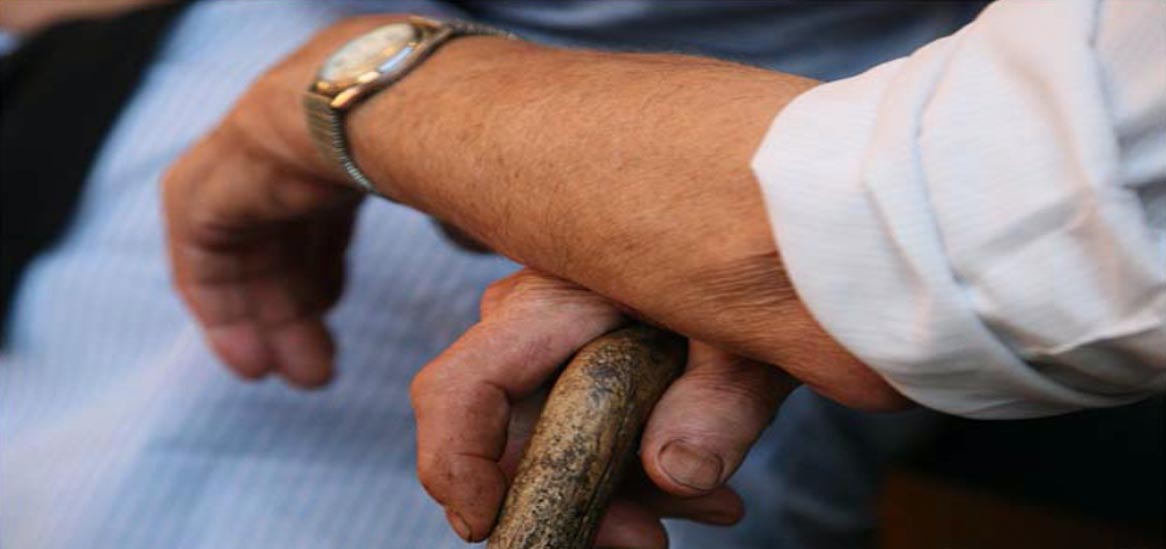
One of the great characters of Barga Vecchia, Natale Bertolini died in the spring of 2013 after a long illness.
He had often appeared on these pages – back in 2007 for his 80th birthday celebrations – here, and of course any event involving chestnuts. Natale Bertolini, was the maestro of all things chestnut, such as his famous Castagnaccio which he had been producing from his oven for the past half a century – The annual castagnaccio contests at Aristos 2010, 2011 and 2012
Over the years Natale had given many, many interviews to this site which have been recorded for posterity on subjects ranging from how to chop wood, preparing food, collecting funghi, planting seeds, digging potatoes and even on occasions, such startling subject as how to cook and eat a cat … an occurrence which happened often during hard times in this area during wartime according to Natale.
All of these recordings were in his inimitable dialect which is gradually becoming more difficult to hear in this area as the spread of RAI (national TV) gradually toned down and knocked the rough edges off local language.
There are still residents around Barga that use their dialect but very few with the vast amount of colourful stories which Natale could bring out into the open and keep the piazza amused and entertained on a daily basis.
It mattered not that the story had been told before as his delivery was so entrancing.
Oral History – memory as a creative expression?
According to the on-line encyclopaedia, Wikipedia, oral history is the recording, preservation and interpretation of historical information, based on the personal experiences and opinions of the speaker.
It goes on to state that : It often takes the form of eye-witness evidence about past events, but can include folklore, myths, songs and stories passed down over the years by word of mouth.
While it is an invaluable way of preserving the knowledge and understanding of older people, it can also involve interviewing younger generations. More recently, the use of video recording techniques has expanded the realm of oral history beyond verbal forms of communication and into the realm of gesture. Oral history can be inaccurate and needs to be used carefully in order to confirm the accuracy of the recorded materials. – source Wikipedia
“Oral History” is a maddeningly imprecise term: it is used to refer to formal, rehearsed accounts of the past presented by culturally sanctioned tradition-bearers; to informal conversations about “the old days” among family members, neighbours, or co-workers; to printed compilations of stories told about past times and present experiences; and to recorded interviews with individuals deemed to have an important story to tell.
Each of these uses of the term has a certain currency. Unquestionably, most people throughout history have learned about the past through the spoken word. Moreover, for generations history-conscious individuals have preserved others’ first hand accounts of the past for the record, often precisely at the moment when the historical actors themselves, and with them their memories, were about to pass from the scene.
To summarize: oral history might be understood as a self-conscious, disciplined conversation between two people about some aspect of the past considered by them to be of historical significance and intentionally recorded for the record.
Although the conversation takes the form of an interview, in which one person–the interviewer–asks questions of another person–variously referred to as the interviewee or narrator–oral history is, at its heart, a dialogue.
The questions of the interviewer, deriving from a particular frame of reference or historical interest, elicit certain responses from the narrator, deriving from that person’s frame of reference, that person’s sense of what is important or what he or she thinks is important to tell the interviewer. The narrator’s response in turn shapes the interviewer’s subsequent questions, and on and on. .
To quote Alessandro Portelli, one of oral history’s most thoughtful practitioners, “Oral history . . . refers [to] what the source [i.e., the narrator] and the historian [i.e. the interviewer] do together at the moment of their encounter in the interview.”

|
|

|

|

Uno dei grandi personaggi di Barga Vecchia, Natale Bertolini, è morto nella primavera del 2013 dopo una lunga malattia.
Era apparso spesso su queste pagine – già nel 2007 per i festeggiamenti del suo 80° compleanno – qui, e naturalmente in occasione di qualsiasi evento legato alle castagne. Natale Bertolini era il maestro di tutto ciò che riguardava il mondo della castagna, come il suo celebre Castagnaccio, che sfornava dal suo forno da oltre mezzo secolo – i concorsi annuali del castagnaccio da Aristo nel 2010, 2011 e 2012 .
Nel corso degli anni Natale ha rilasciato moltissime interviste a questo sito, registrate per i posteri, su argomenti che spaziavano dal come spaccare la legna, alla preparazione del cibo, alla raccolta dei funghi, alla semina, alla raccolta delle patate e persino, in alcune occasioni, su temi sorprendenti come come cucinare e mangiare un gatto… un fatto che, secondo Natale, avveniva spesso in questa zona nei periodi più duri durante la guerra.
Tutte queste registrazioni erano nel suo inimitabile dialetto, che sta diventando sempre più difficile da ascoltare in quest’area, man mano che la diffusione della RAI (la televisione nazionale) ha progressivamente smussato e attenuato le asperità del linguaggio locale.
A Barga ci sono ancora persone che usano il dialetto, ma pochissime con l’enorme patrimonio di storie colorite che Natale riusciva a tirare fuori e a raccontare, tenendo la piazza divertita e incantata ogni giorno.
Non importava se la storia fosse già stata raccontata: il suo modo di narrarla era così coinvolgente.
Storia orale – la memoria come espressione creativa?
Secondo l’enciclopedia online Wikipedia, la storia orale è la registrazione, la conservazione e l’interpretazione di informazioni storiche basate sulle esperienze personali e sulle opinioni di chi parla.
Wikipedia prosegue affermando che spesso assume la forma di testimonianze dirette su eventi passati, ma può includere anche folklore, miti, canti e storie tramandate nel tempo oralmente.
Pur essendo un mezzo di enorme valore per preservare il sapere e la comprensione delle persone anziane, la storia orale può coinvolgere anche interviste alle generazioni più giovani. Più recentemente, l’uso delle tecniche di registrazione video ha ampliato l’ambito della storia orale oltre le forme esclusivamente verbali di comunicazione, includendo anche il gesto. La storia orale può essere imprecisa e deve essere utilizzata con cautela per confermare l’accuratezza dei materiali registrati. – fonte Wikipedia
“Storia orale” è un termine esasperantemente impreciso: viene usato per riferirsi a resoconti formali e preparati del passato presentati da depositari di tradizioni culturalmente riconosciute; a conversazioni informali sui “vecchi tempi” tra familiari, vicini o colleghi; a raccolte stampate di storie raccontate su tempi passati ed esperienze presenti; e a interviste registrate con individui ritenuti portatori di una storia importante da raccontare.
Ciascuno di questi usi del termine ha una propria validità. Indubbiamente, la maggior parte delle persone nel corso della storia ha appreso il passato attraverso la parola parlata. Inoltre, per generazioni, individui consapevoli dell’importanza della storia hanno conservato per iscritto le testimonianze dirette di altri, spesso proprio nel momento in cui i protagonisti stessi degli eventi storici, e con loro i loro ricordi, stavano per scomparire dalla scena.
In sintesi: la storia orale può essere intesa come una conversazione consapevole e disciplinata tra due persone su un aspetto del passato che entrambe considerano di rilevanza storica e che viene intenzionalmente registrata per essere conservata.
Sebbene la conversazione assuma la forma di un’intervista, in cui una persona – l’intervistatore – pone domande a un’altra – definita variamente intervistato o narratore – la storia orale è, nel suo cuore, un dialogo.
Le domande dell’intervistatore, che derivano da un particolare quadro di riferimento o da un interesse storico specifico, suscitano determinate risposte da parte del narratore, a loro volta derivanti dal suo quadro di riferimento, dal suo senso di ciò che è importante o di ciò che ritiene importante raccontare all’intervistatore. Le risposte del narratore, a loro volta, modellano le domande successive dell’intervistatore, e così via.
Per citare Alessandro Portelli, uno dei più attenti studiosi e praticanti della storia orale: «La storia orale… si riferisce a ciò che la fonte [cioè il narratore] e lo storico [cioè l’intervistatore] fanno insieme nel momento del loro incontro nell’intervista».