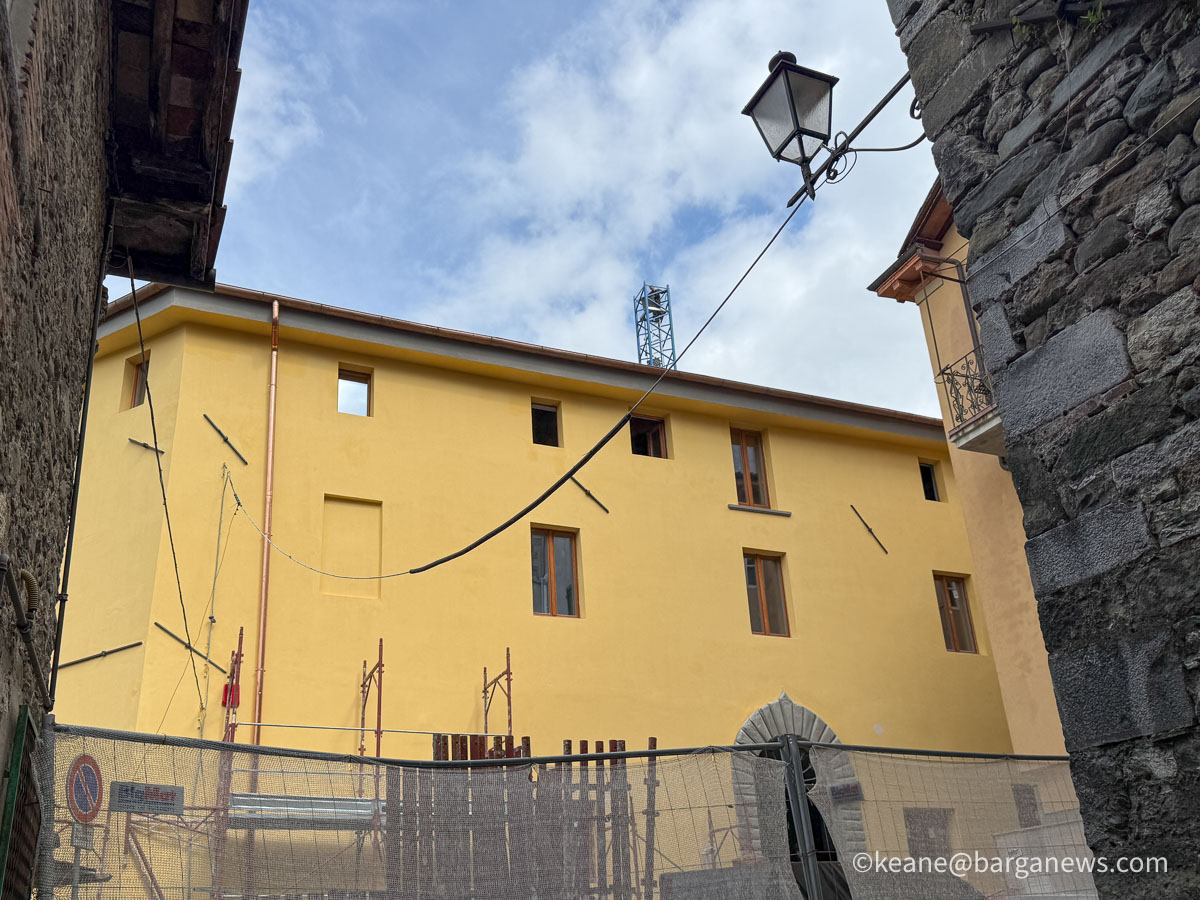
In June 2024, work began on the redevelopment of Palazzo Giannetti, a building that for many years housed the Biblioteca Comunale Fratelli Rosselli before being closed following structural concerns after the 2013 earthquake (article here) and (here).
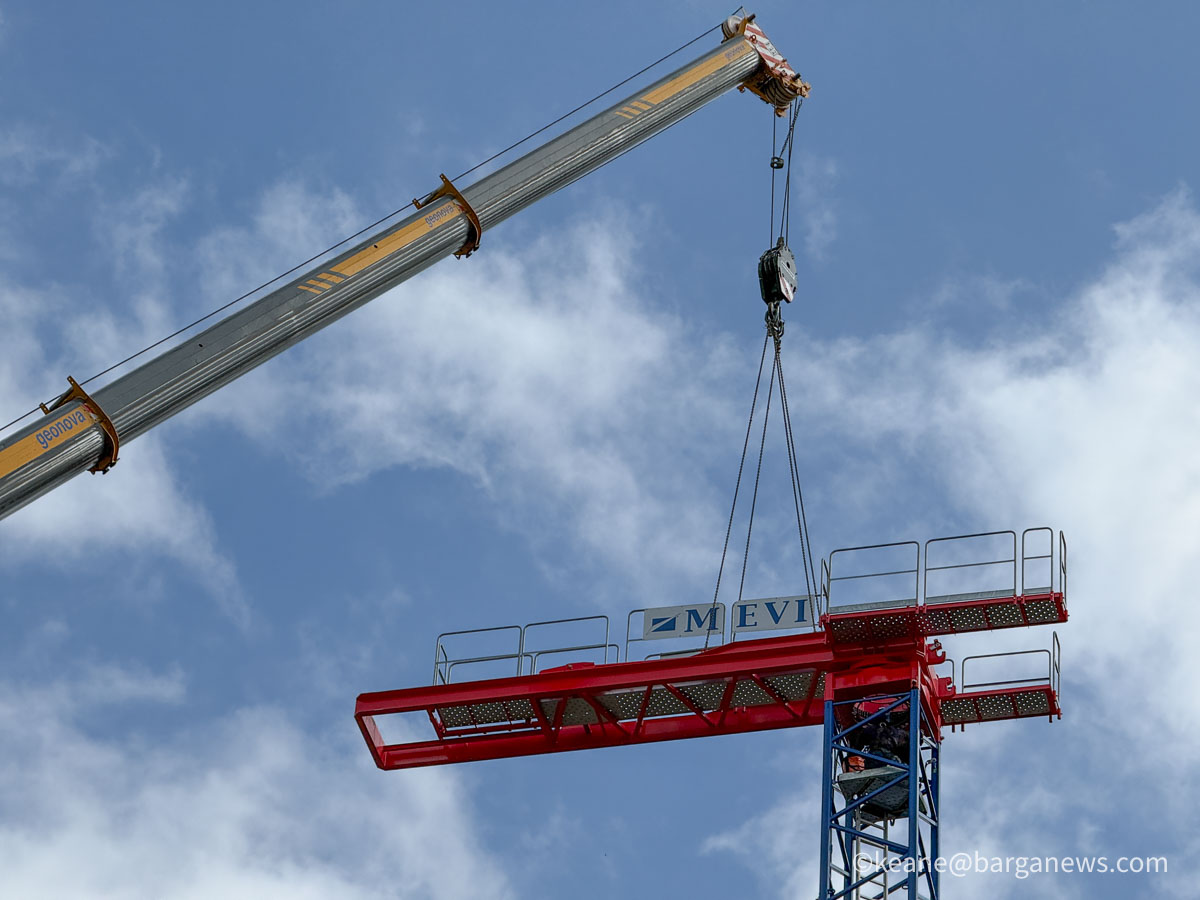
At the time, we recorded the arrival of the large site crane in an article titled Crane erection – Palazzo Giannetti, documenting the careful assembly carried out by the Mevi crane company. The crane became a fixed presence above the site, marking the steady progress of the works over the months that followed.
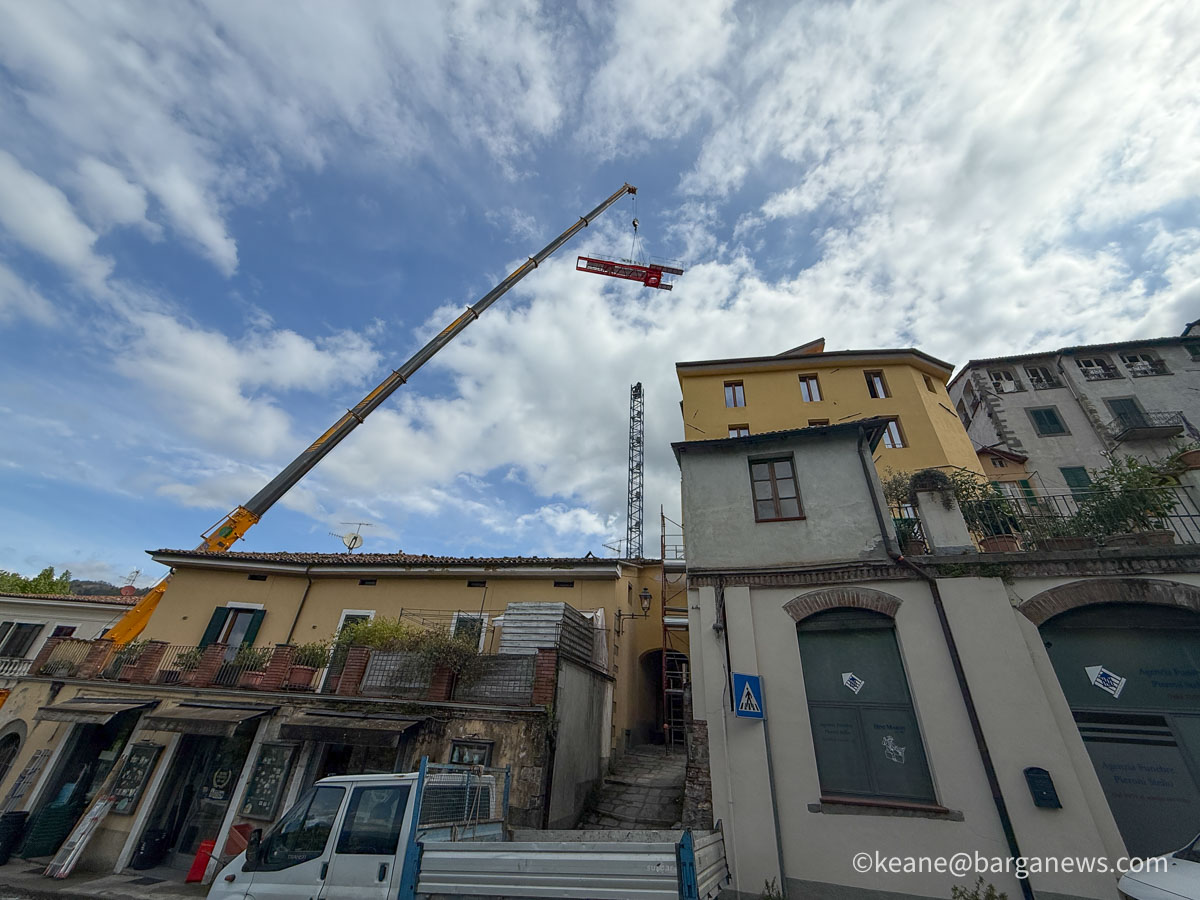
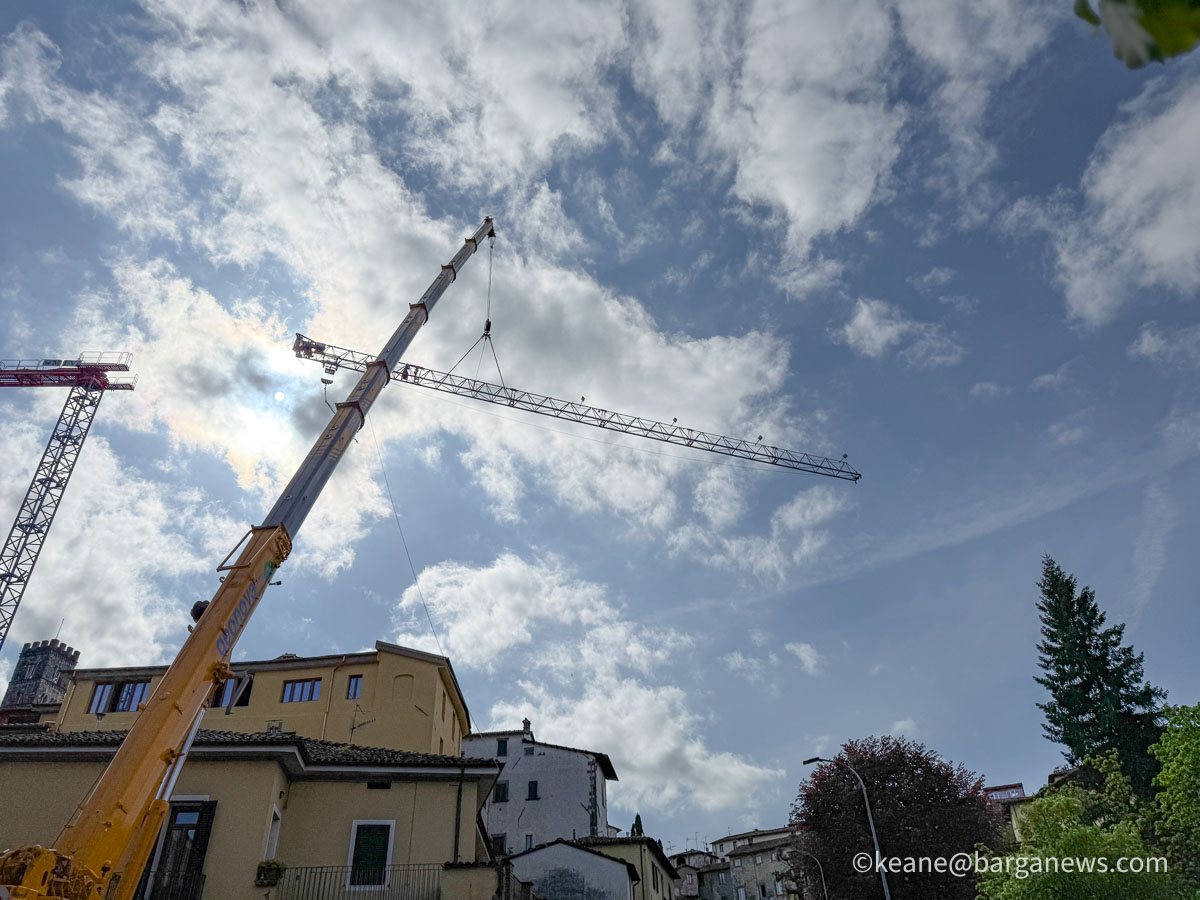
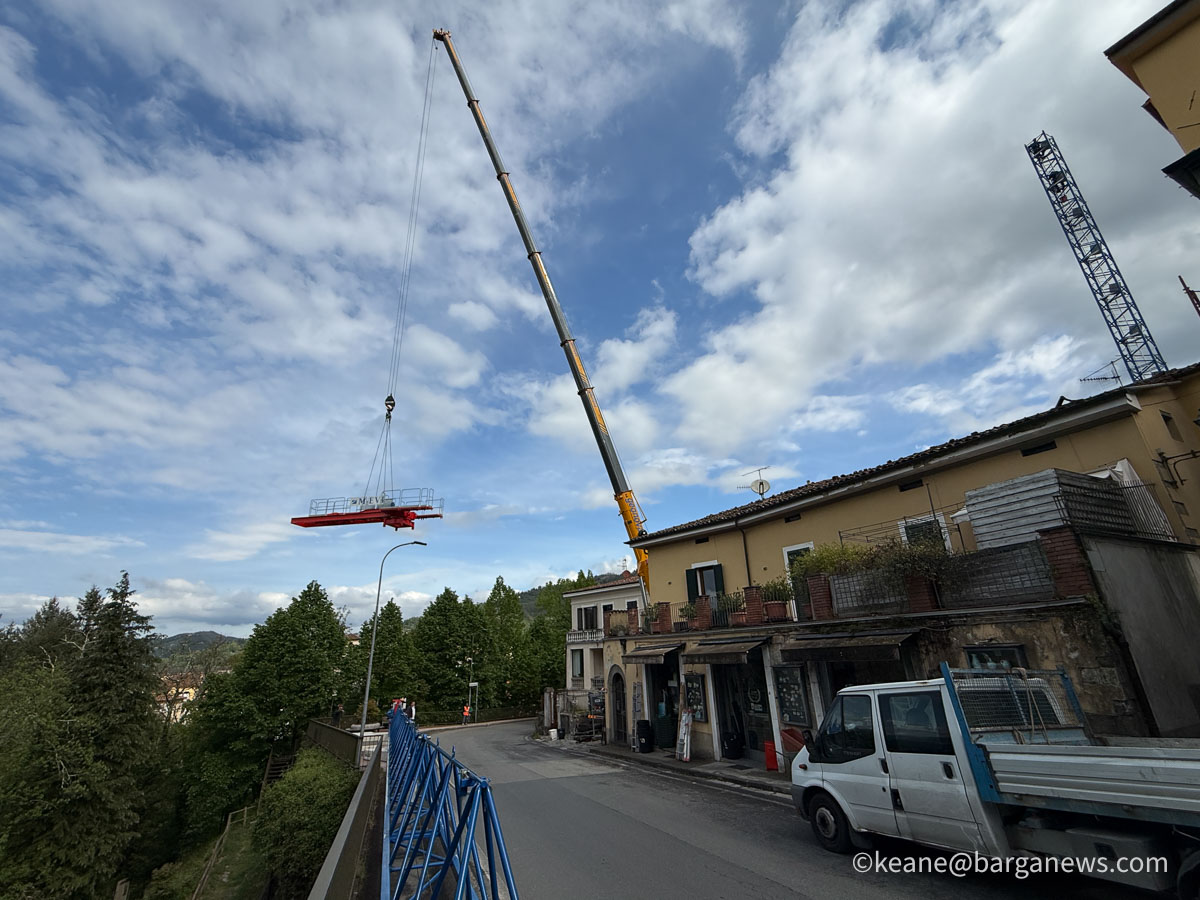
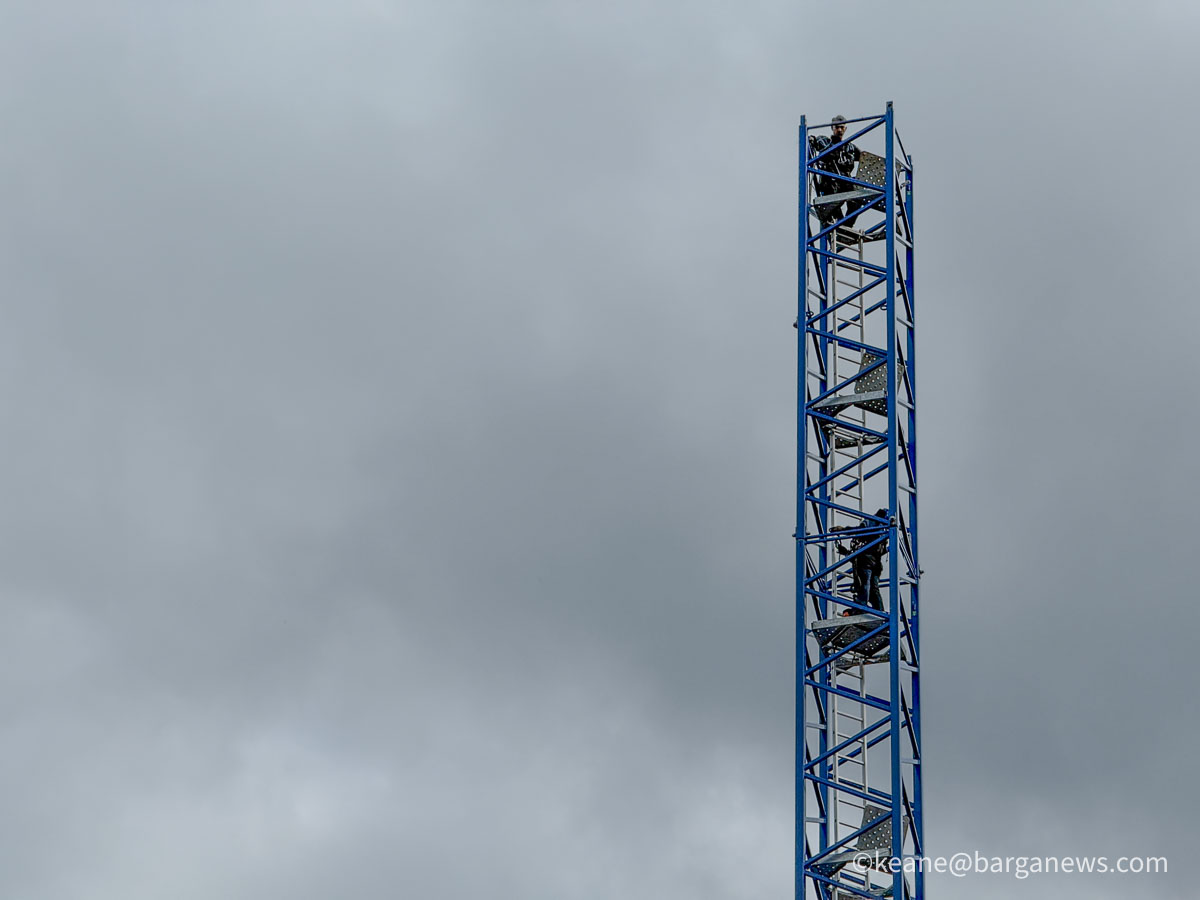
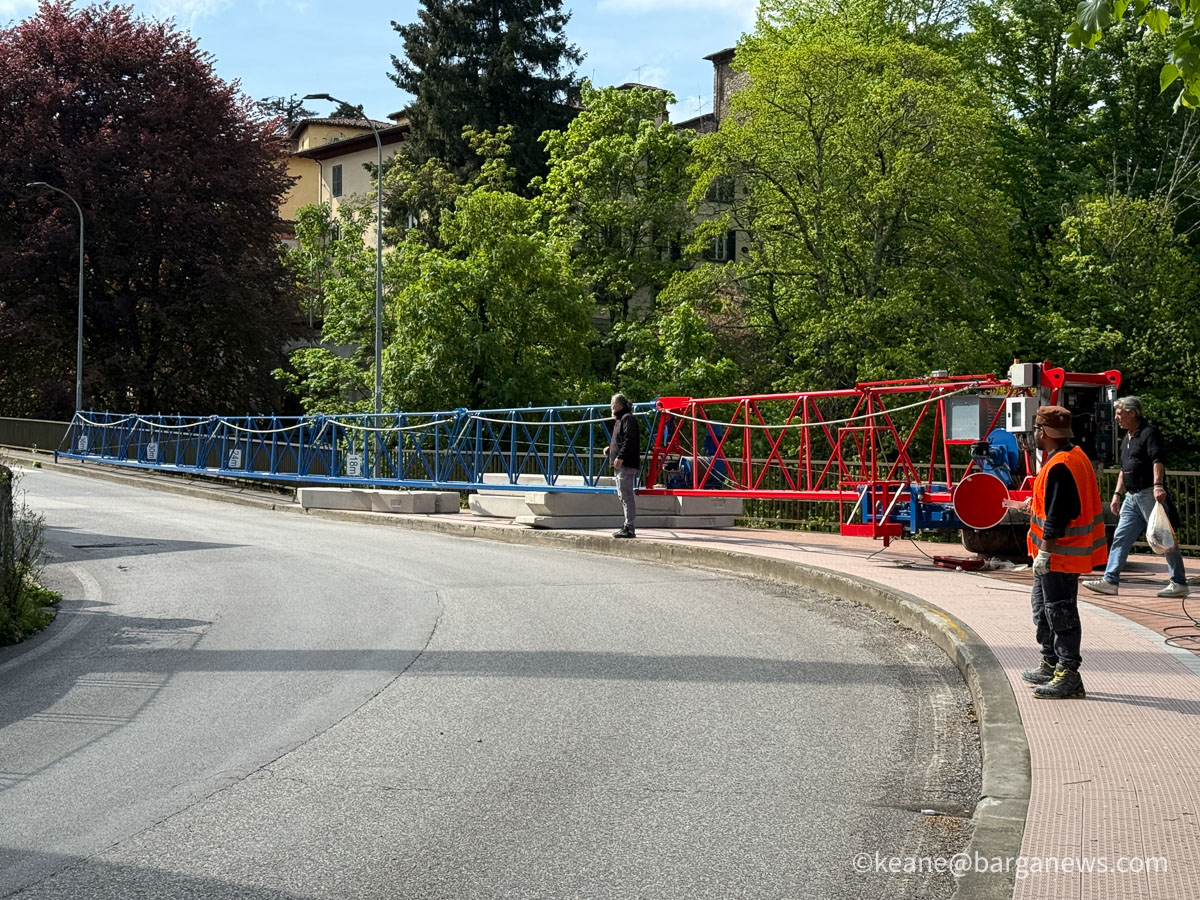
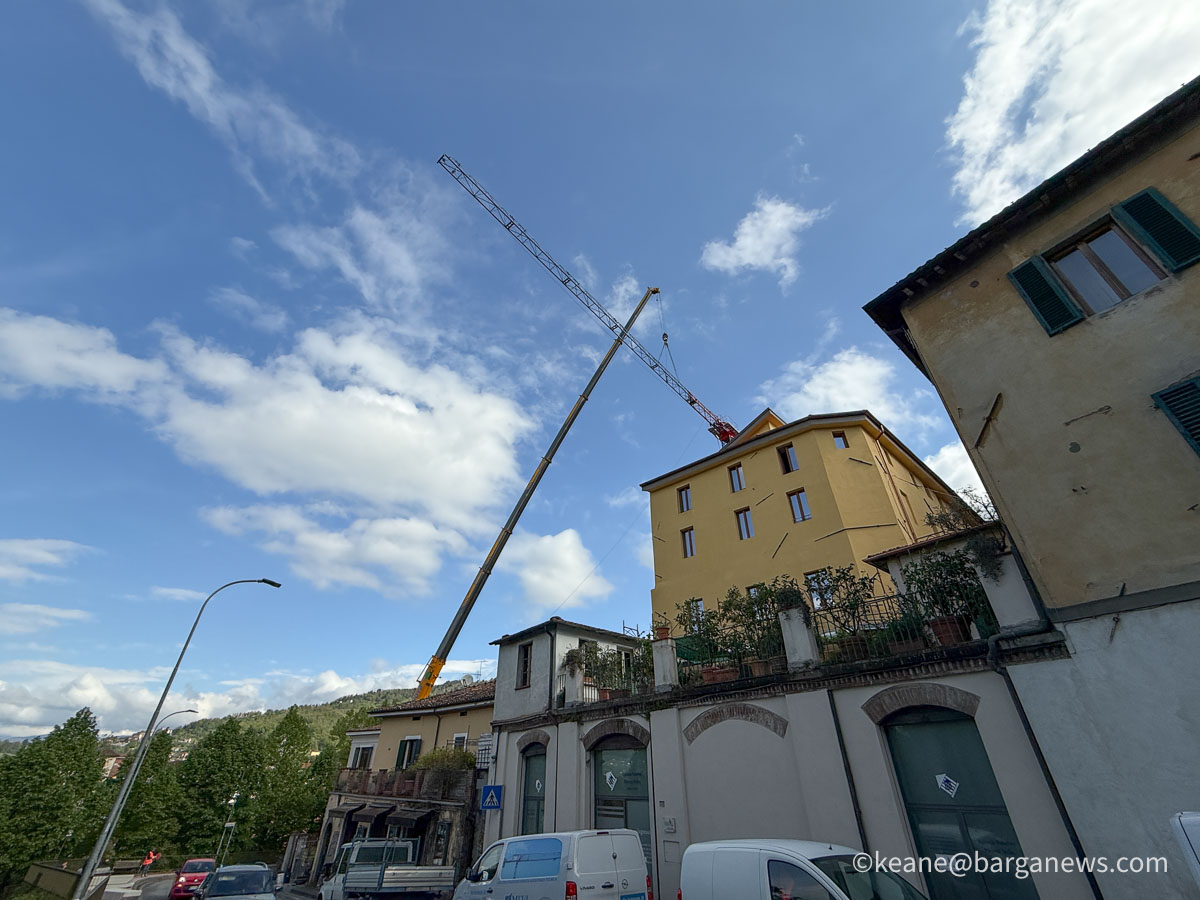
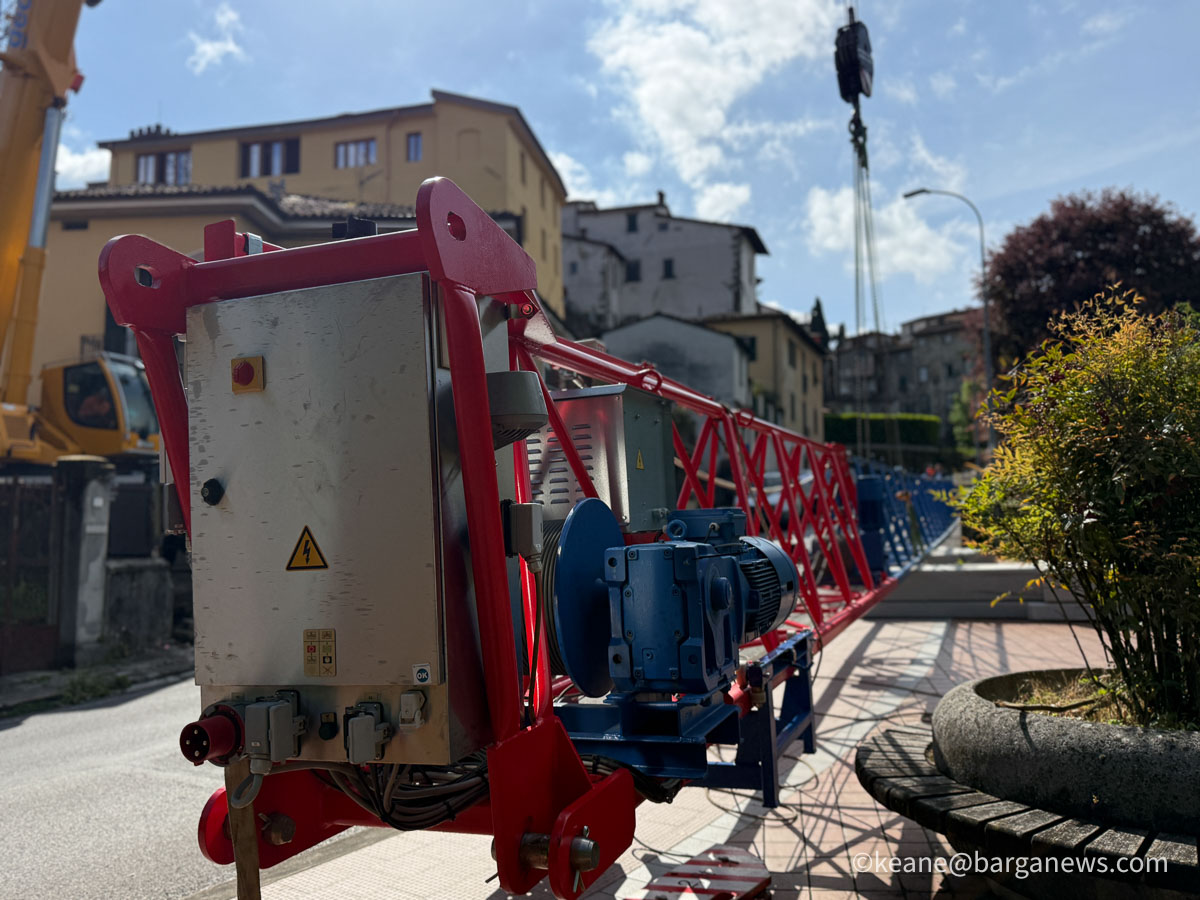
This morning, that process entered a new phase. The same company returned to Barga, this time to dismantle the crane that has stood over the building throughout the restoration.
Its removal is a visible sign that the project is approaching completion. What was once a static and closed structure has gradually been reworked, with the intention of reopening the palazzo as a space for conferences, meetings, and the activities of local cultural associations.
The absence of the crane alters the skyline of this part of the city. For nearly two years it has been part of the daily view — a reminder of work underway. Its removal suggests that attention will now shift from construction to use, as the building moves closer to its next phase.




Palazzo Giannetti: smontata la gru
Nel giugno 2024 erano iniziati i lavori di recupero di Palazzo Giannetti, edificio che per anni ha ospitato la Biblioteca Comunale Fratelli Rosselli e che era stato chiuso a seguito delle problematiche strutturali emerse dopo il terremoto del 2013 (articolo qui) e (qui).
All’epoca avevamo documentato l’arrivo della grande gru di cantiere nell’articolo Crane erection – Palazzo Giannetti, seguendo le operazioni di montaggio realizzate dalla Mevi crane company. La gru è poi diventata una presenza costante sopra il cantiere, accompagnando l’avanzamento dei lavori nei mesi successivi.
Questa mattina la scena è cambiata. La stessa azienda è tornata a Barga, questa volta per smontare la gru che ha dominato l’area durante tutto il periodo di restauro.
La sua rimozione rappresenta un segnale concreto dell’avvicinarsi alla conclusione dei lavori. L’edificio, rimasto a lungo chiuso, è stato progressivamente recuperato con l’obiettivo di ospitare spazi per conferenze, incontri e attività delle associazioni culturali del territorio.
Senza la gru, cambia anche il profilo visivo di questa parte della città. Per quasi due anni ha fatto parte del paesaggio quotidiano; ora la sua assenza indica il passaggio dalla fase di cantiere a quella dell’utilizzo futuro.