PRETERINTENTIONAL CONCEPTUAL ART
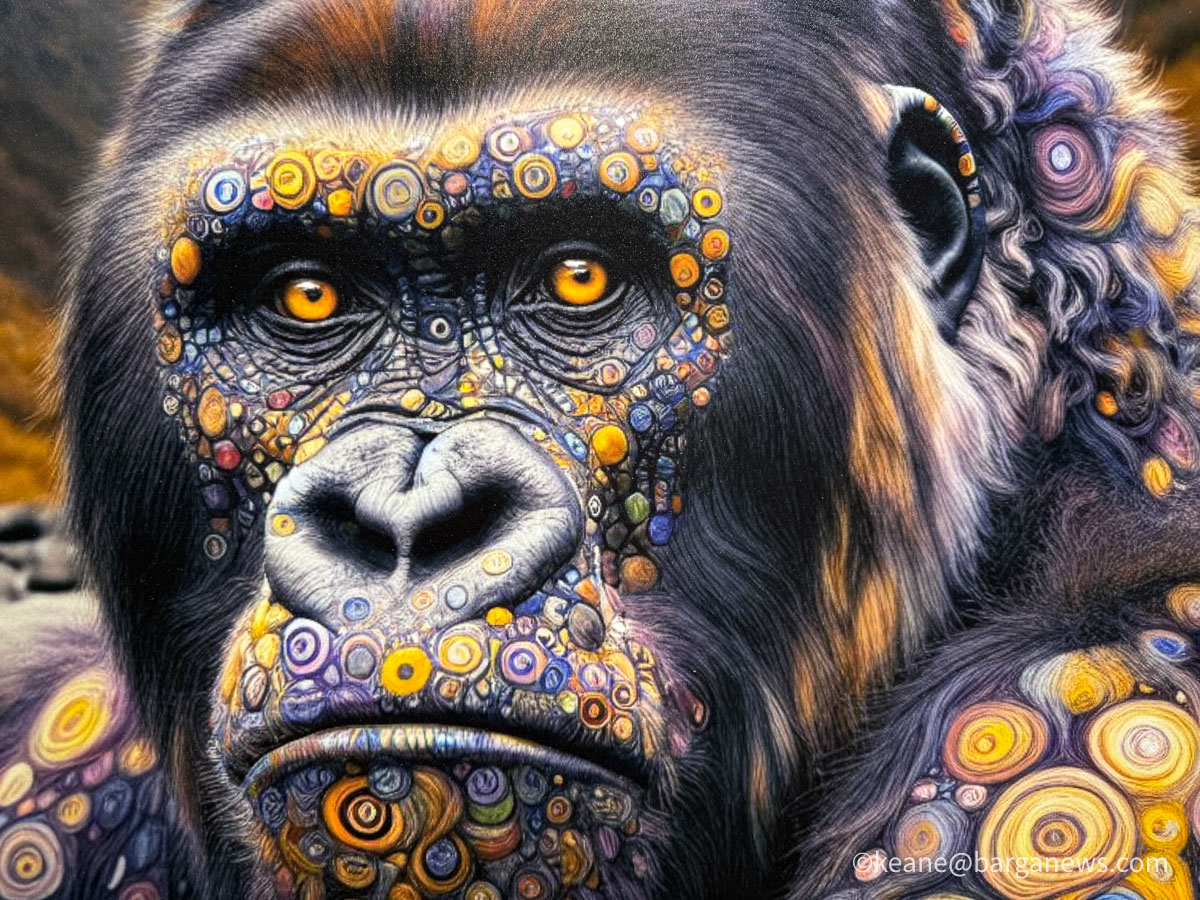
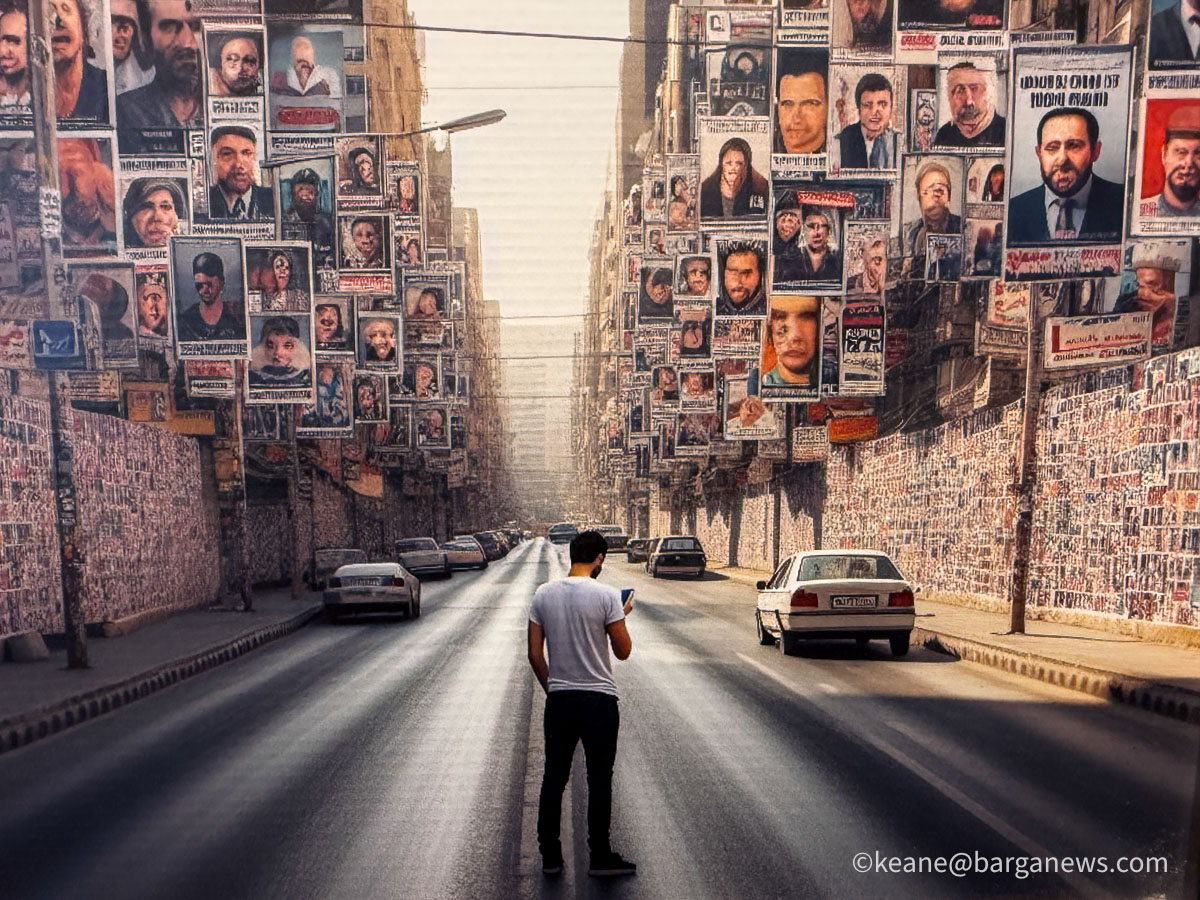
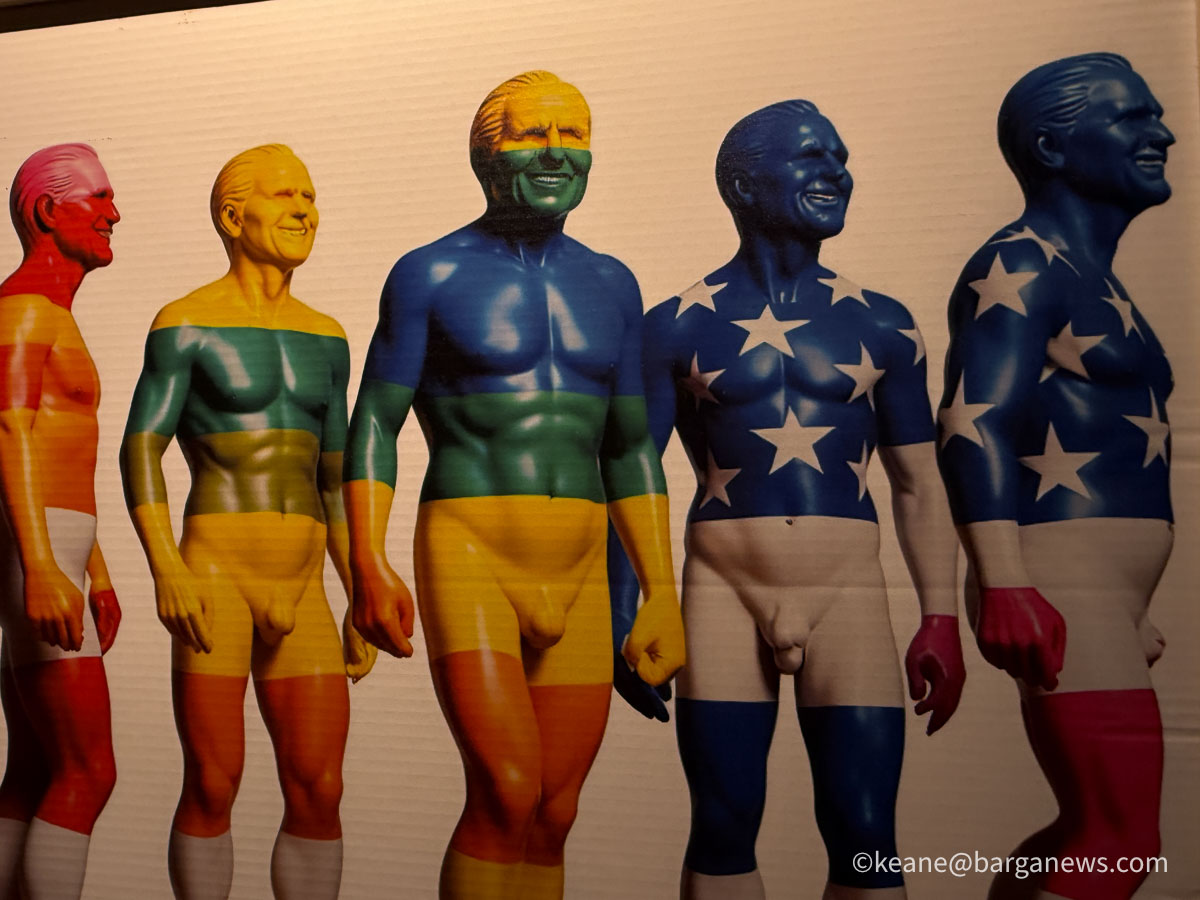
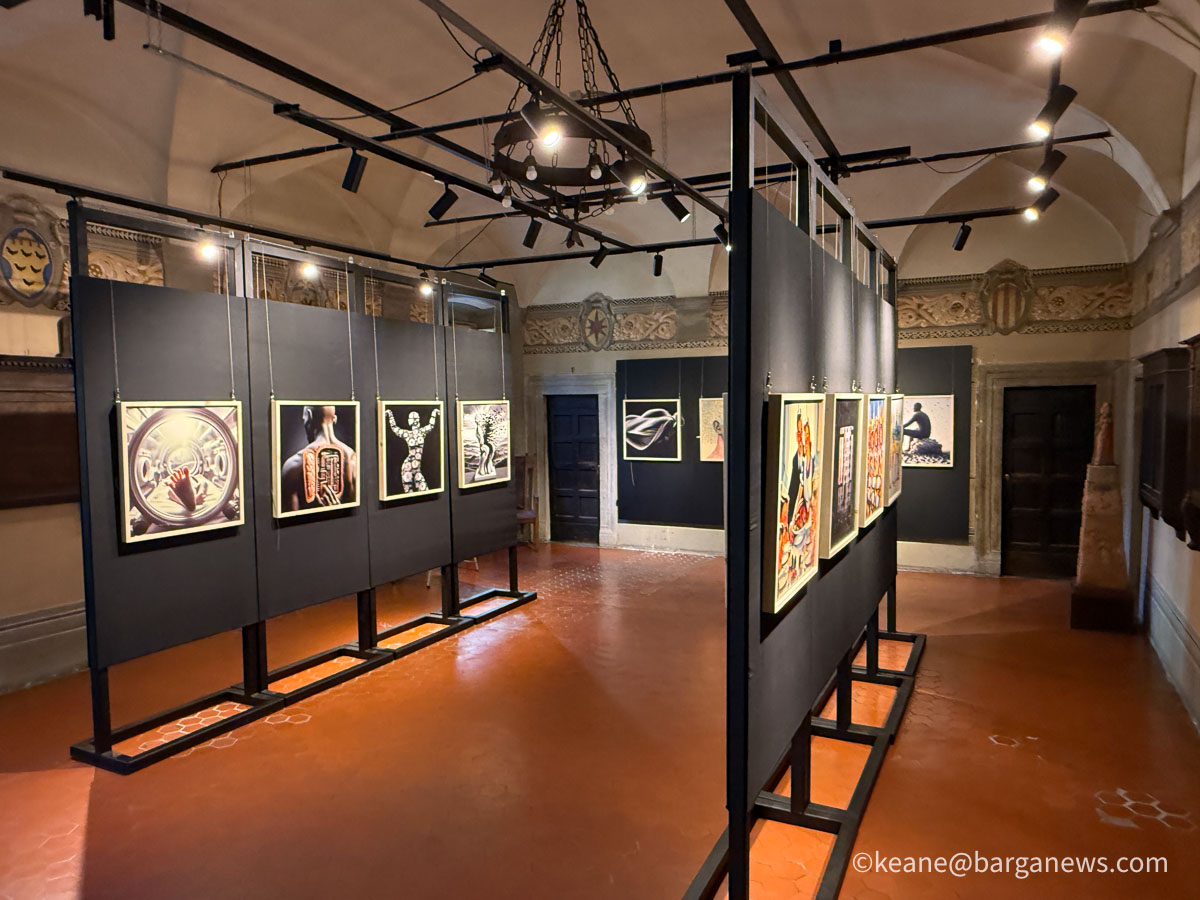
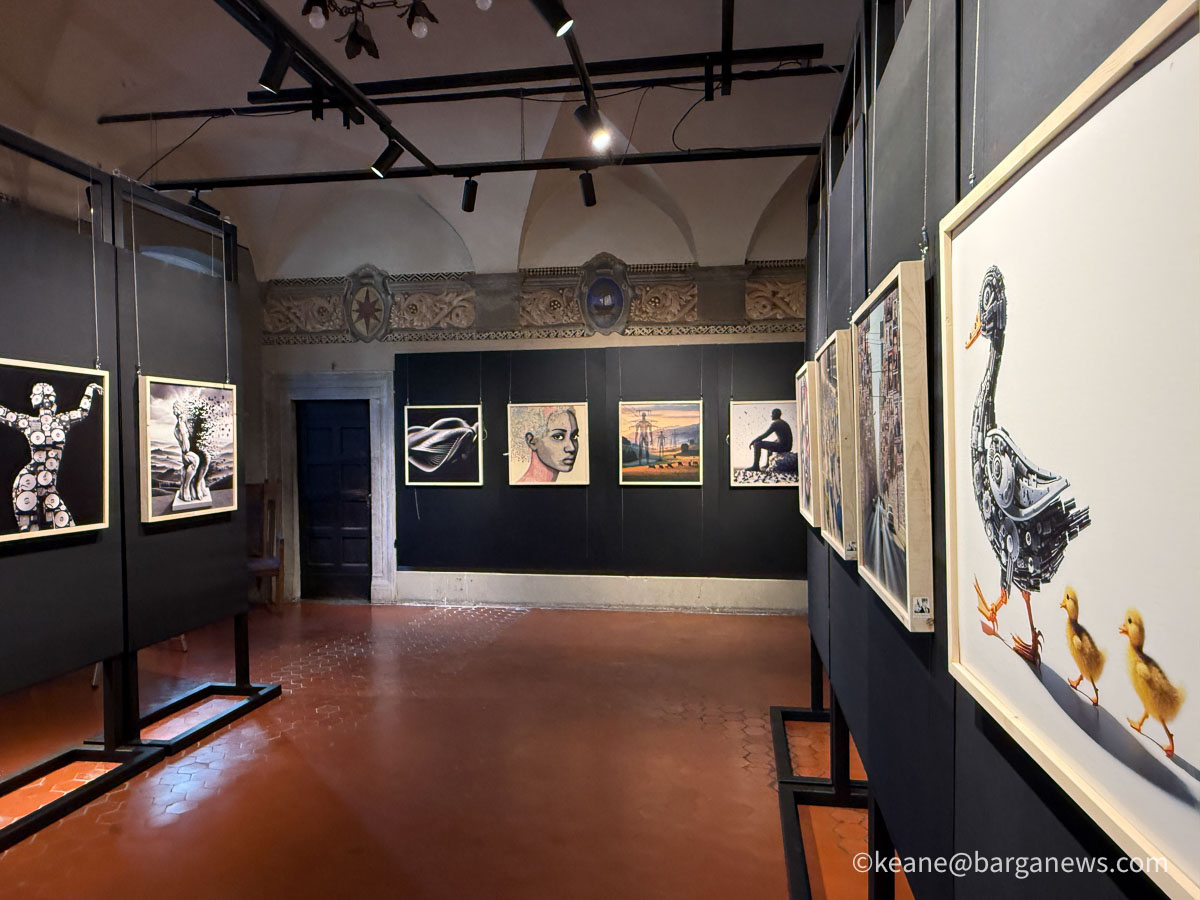
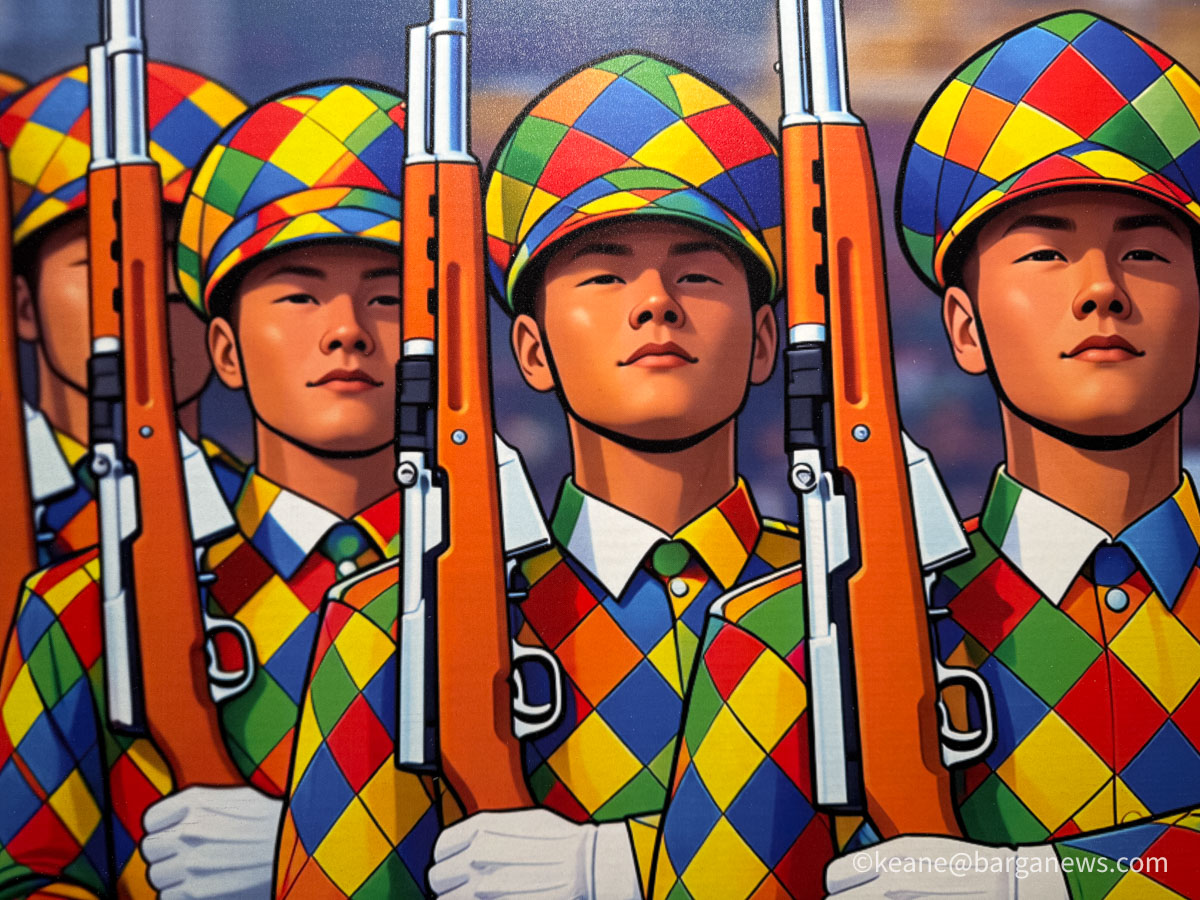
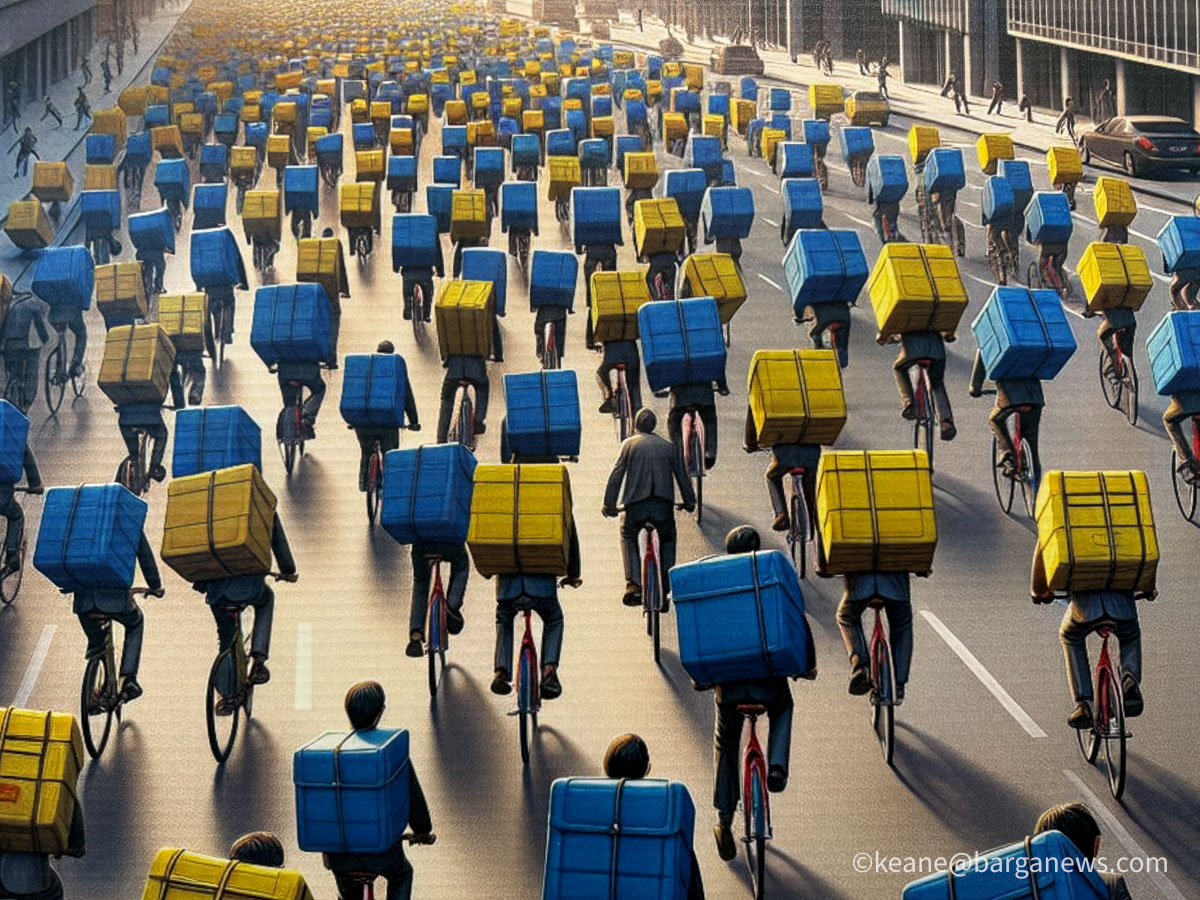
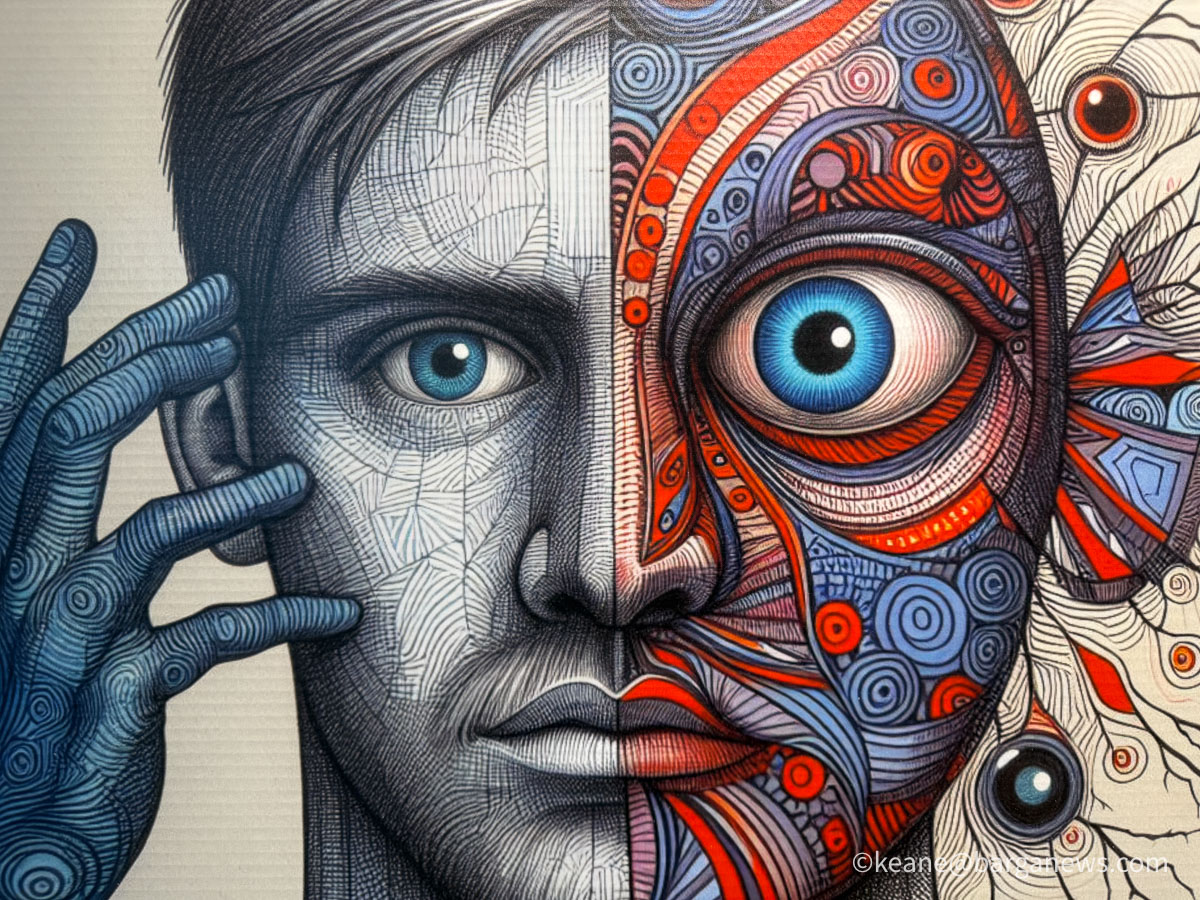
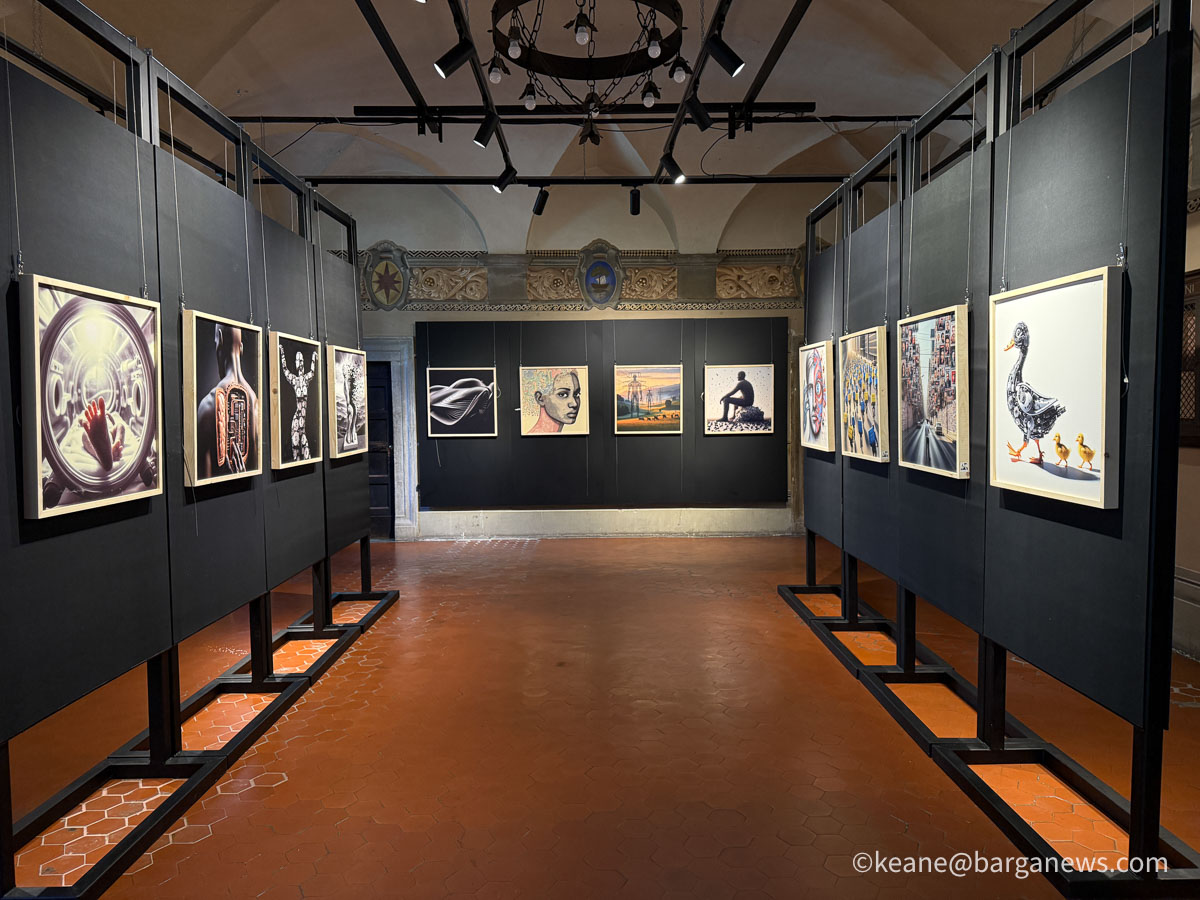
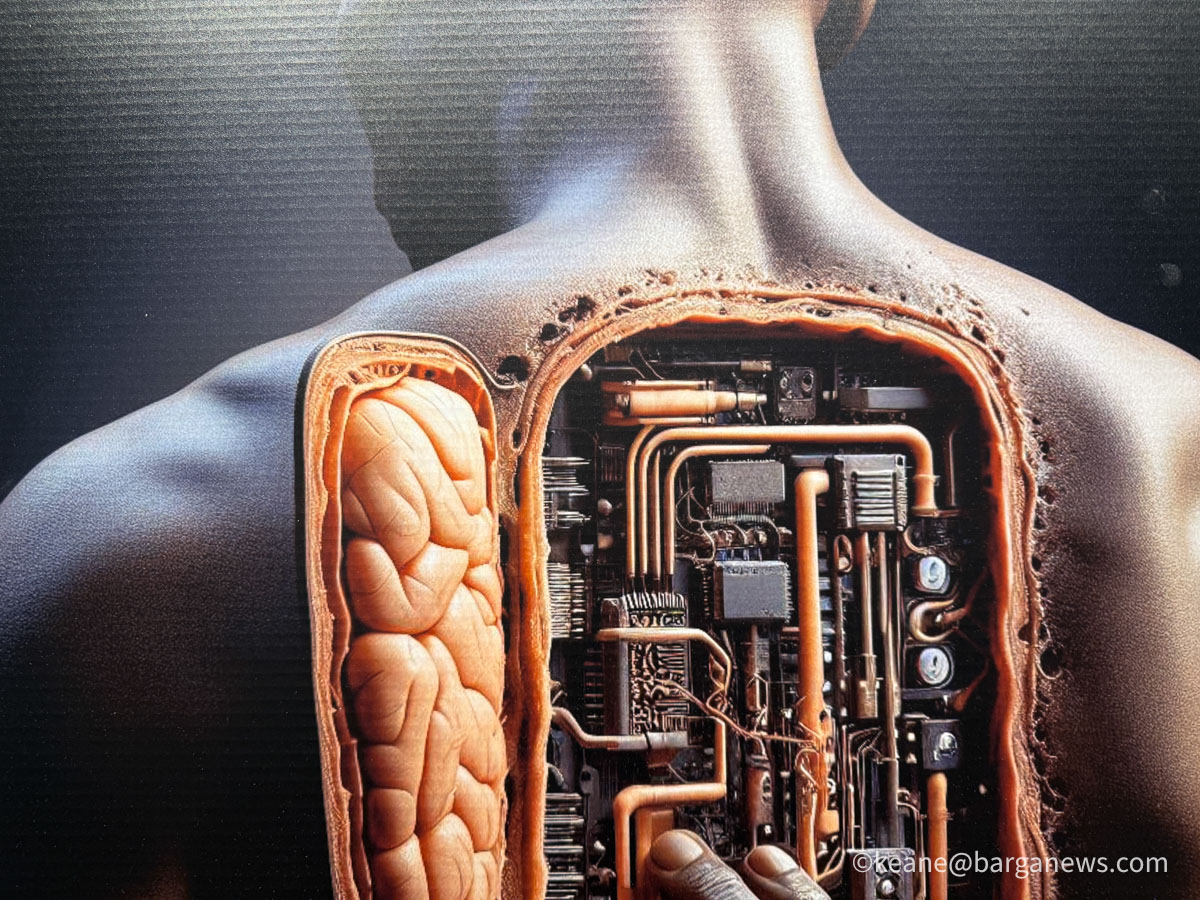
I don’t read this as an exhibition of AI images so much as an installation. You move through a sequence of works—I mages that are all immediately recognisable as AI-generated—until you reach the final element, positioned near the exit.
It stands apart: a single, large framed piece under glass, quieter in tone and somewhat at odds with the highly coloured, visually charged images that precede it.
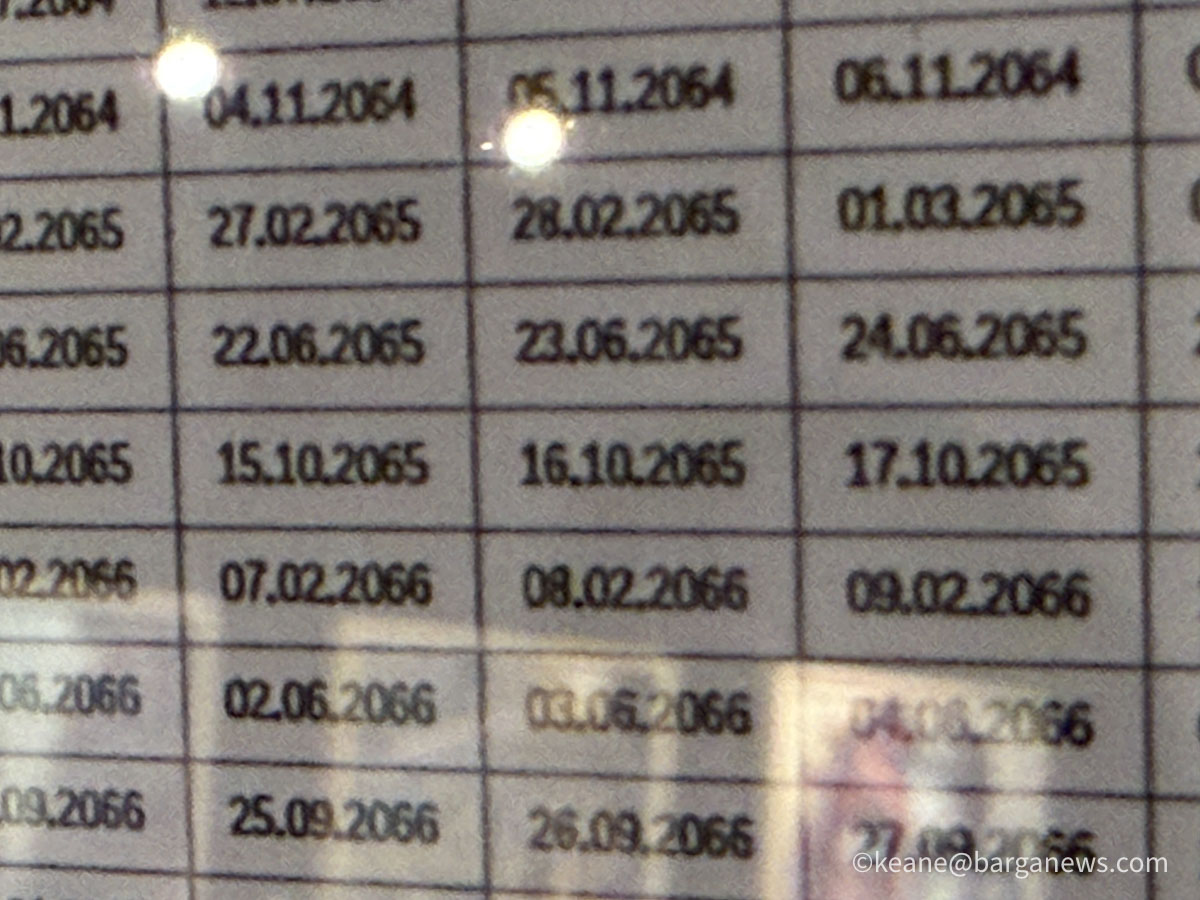
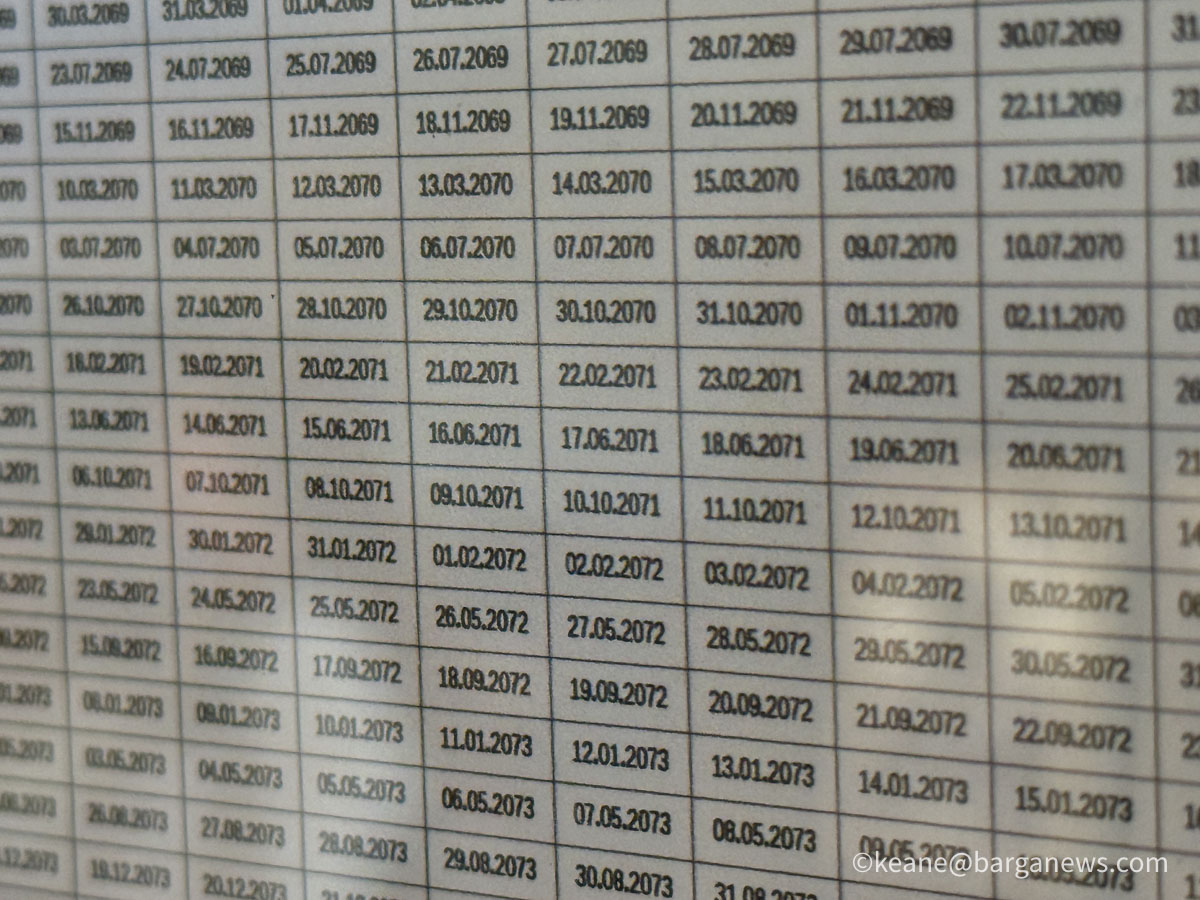
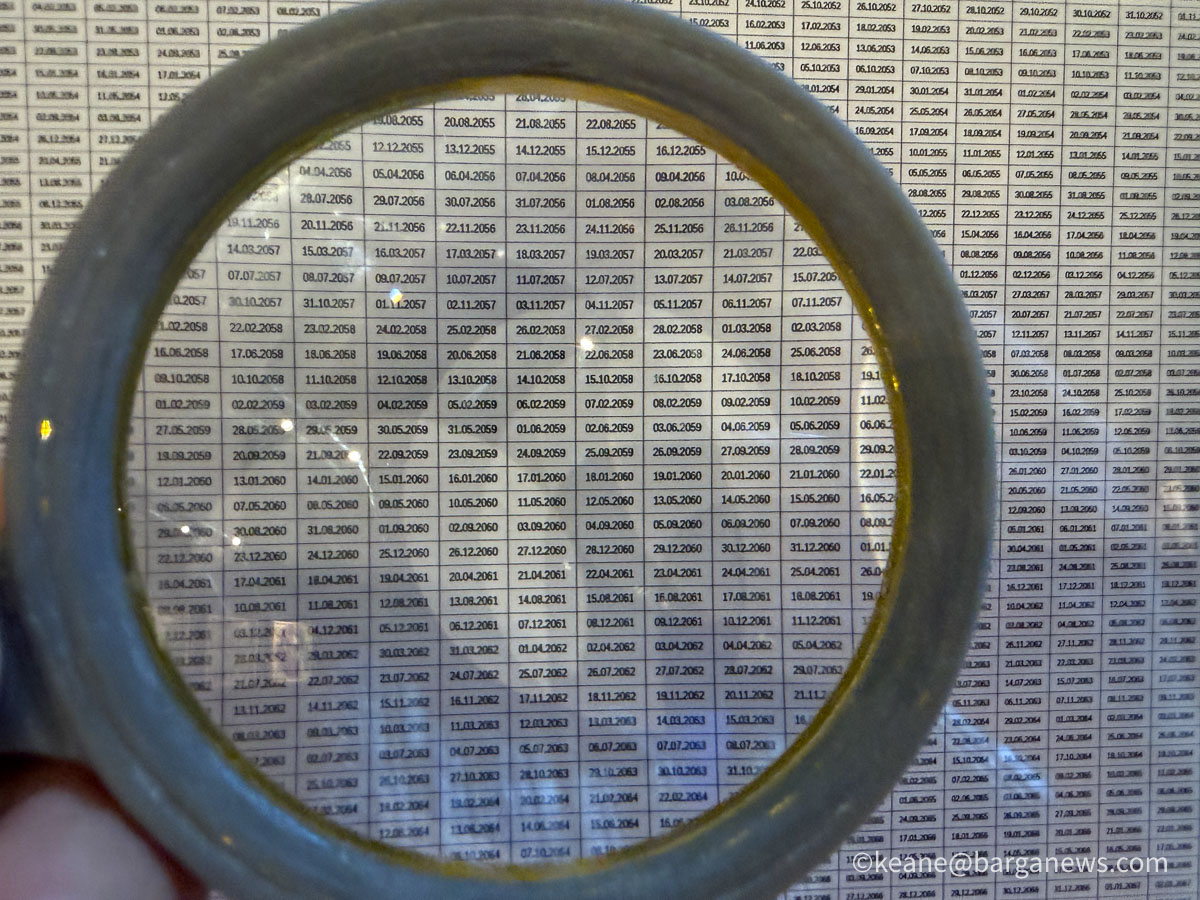
At first glance, it appears minimal — grey-black marks set within a white background. Only on closer inspection do these marks resolve into printed dates. A magnifying glass, attached to the frame, invites a slower reading, revealing a sequence that spans more than a century, from 2006 to 2127.
The title, Kairos, offers a key to the work’s intent, and in doing so reframes the entire installation.
Rather than a display of what AI can produce, it becomes something more measured: a constructed moment that asks the viewer to pause.
The emphasis shifts from output to reflection—away from spectacle and towards consideration of direction.
Kairos, from ancient Greek, refers not to chronological time (chronos), but to the opportune or decisive moment—the point at which conditions align for meaningful action. It suggests a moment of readiness, of potential change.
This is not an exhibition showing loudly what ai images can do but is instead a well constructed installation asking the viewer to stop and think for a moment if this is the way we are intending to move on.




Non leggo questo come una mostra di immagini generate dall’IA quanto piuttosto come un’installazione. Si attraversa una sequenza di opere — immagini immediatamente riconoscibili come prodotte dall’intelligenza artificiale — fino a raggiungere l’elemento finale, collocato vicino all’uscita.
Si distingue dal resto: un’unica grande opera incorniciata sotto vetro, più silenziosa nel tono e in qualche modo in contrasto con le immagini fortemente colorate e visivamente intense che la precedono.
A prima vista appare minimale — segni grigio-neri su fondo bianco. Solo osservando più da vicino questi segni si rivelano come date stampate. Una lente d’ingrandimento, fissata alla cornice, invita a una lettura più lenta, mostrando una sequenza che copre oltre un secolo, dal 2006 al 2127.
Il titolo, Kairos, offre una chiave di lettura dell’intento dell’opera e, così facendo, riorienta l’intera installazione.
Più che una dimostrazione di ciò che l’IA è in grado di produrre, diventa qualcosa di più misurato: un momento costruito che invita lo spettatore a fermarsi.
L’attenzione si sposta dal risultato alla riflessione — lontano dallo spettacolo e verso una considerazione della direzione.
Kairos, dal greco antico, non indica il tempo cronologico (chronos), ma il momento opportuno o decisivo — il punto in cui le condizioni si allineano per un’azione significativa. Suggerisce un momento di prontezza, di possibile cambiamento.
Non si tratta quindi di una mostra che mette in evidenza in modo evidente ciò che le immagini generate dall’IA possono fare, ma piuttosto di un’installazione ben costruita che invita lo spettatore a fermarsi e riflettere per un momento se questa sia la direzione verso cui intendiamo muoverci.