There was a distinctly autumnal addition to the menu at Da Aristo in Barga Vecchia this week, as necci, one of the Barga’s most traditional foods, made an appearance in the Loggia Da Aristo.
Made from chestnut flour and water, necci have been part of the local diet for centuries, dating back to a time when chestnuts were an essential source of food for families living in the mountains around Barga.
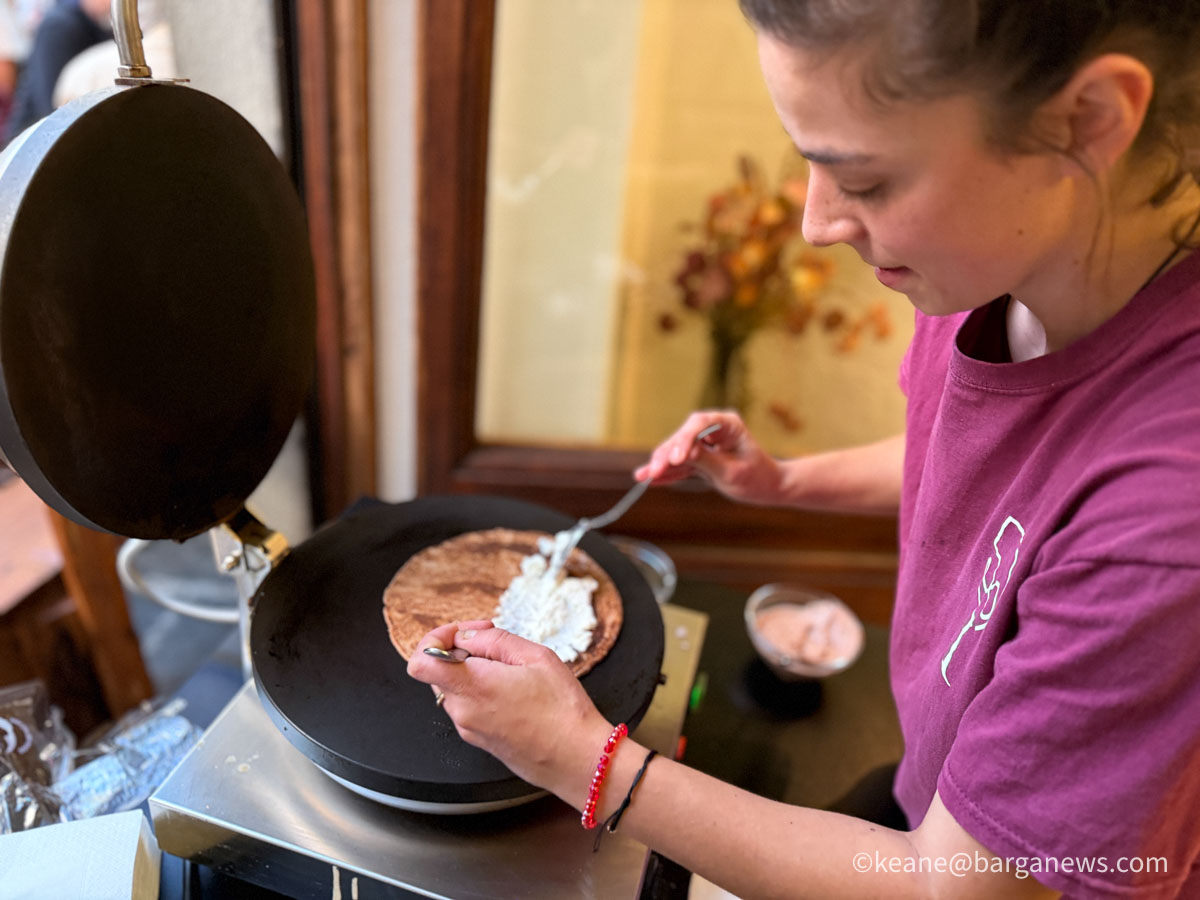
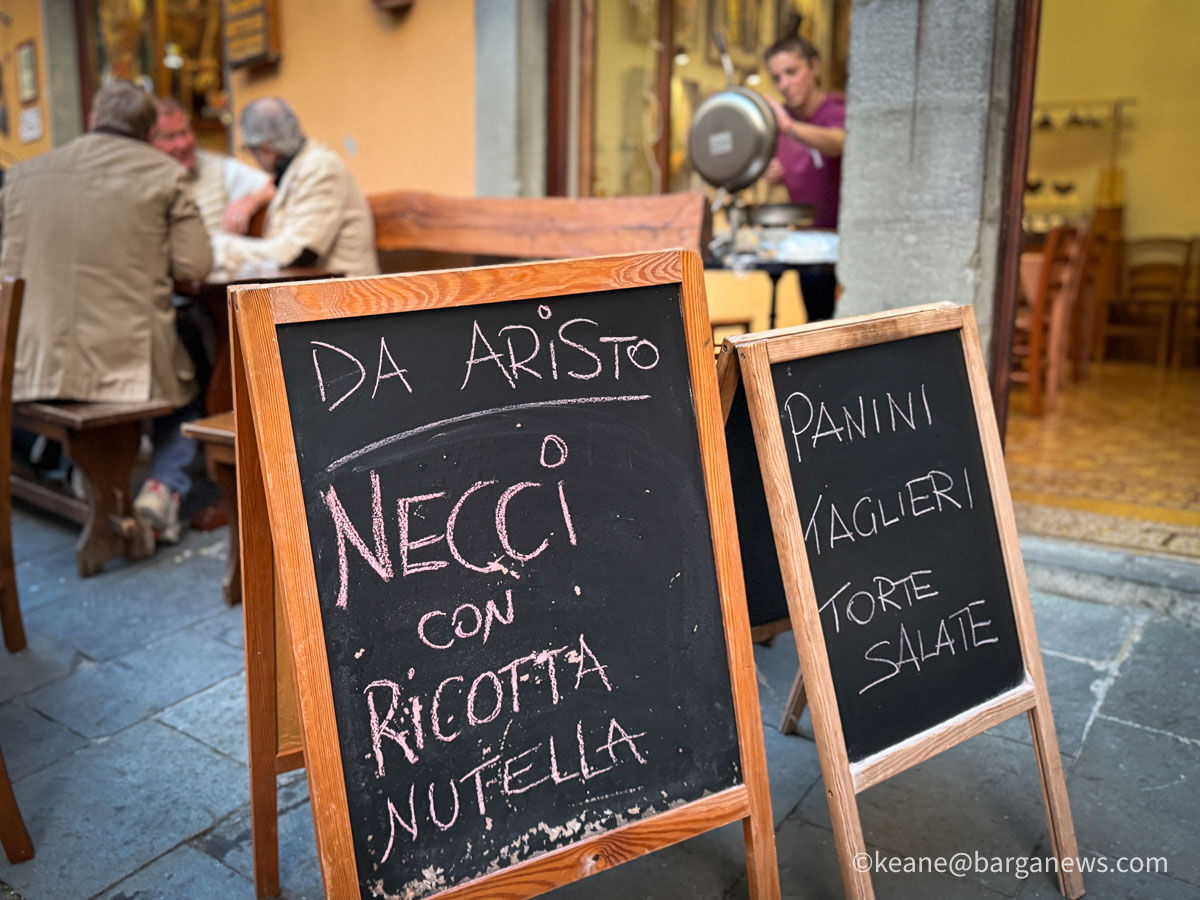
At Da Aristo, the choice was between ricotta and Nutella, or perhaps both for those who found the decision too difficult.
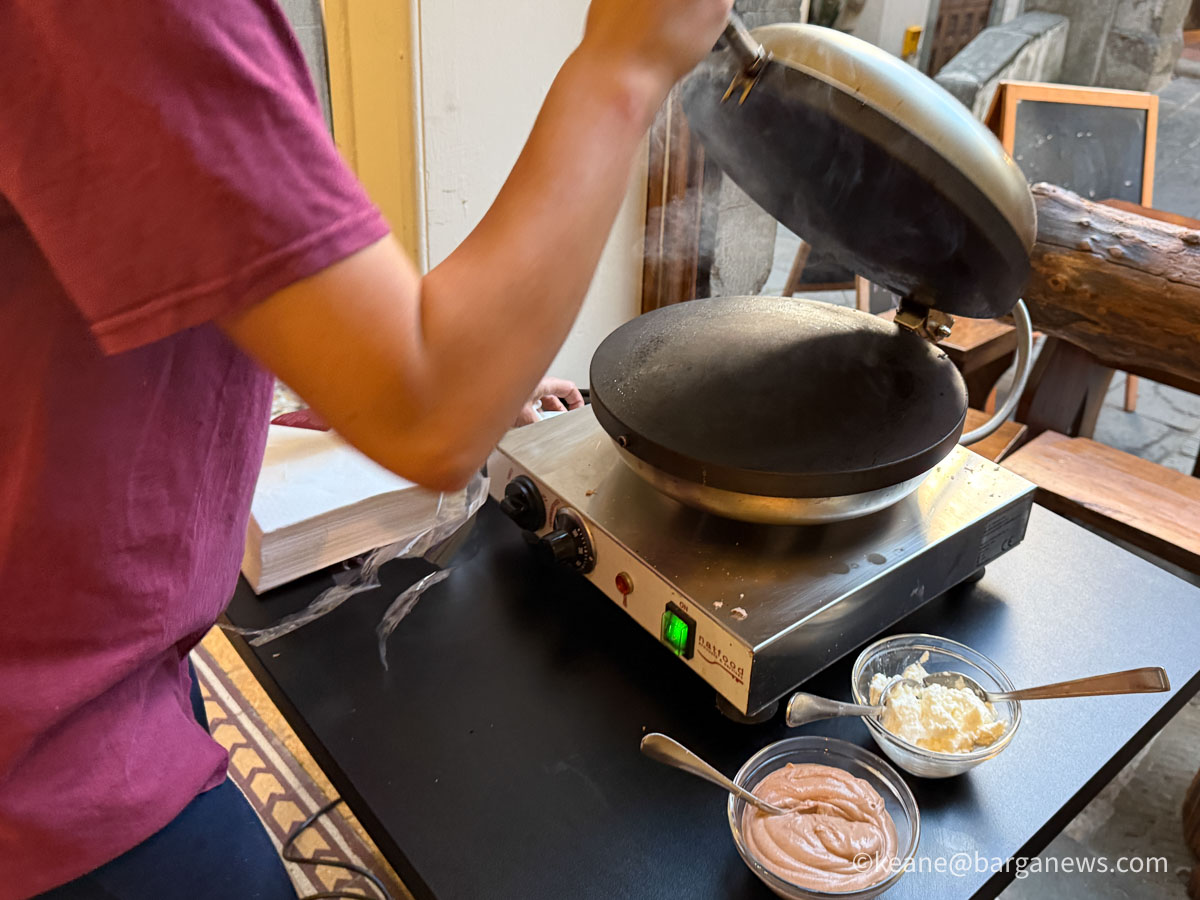
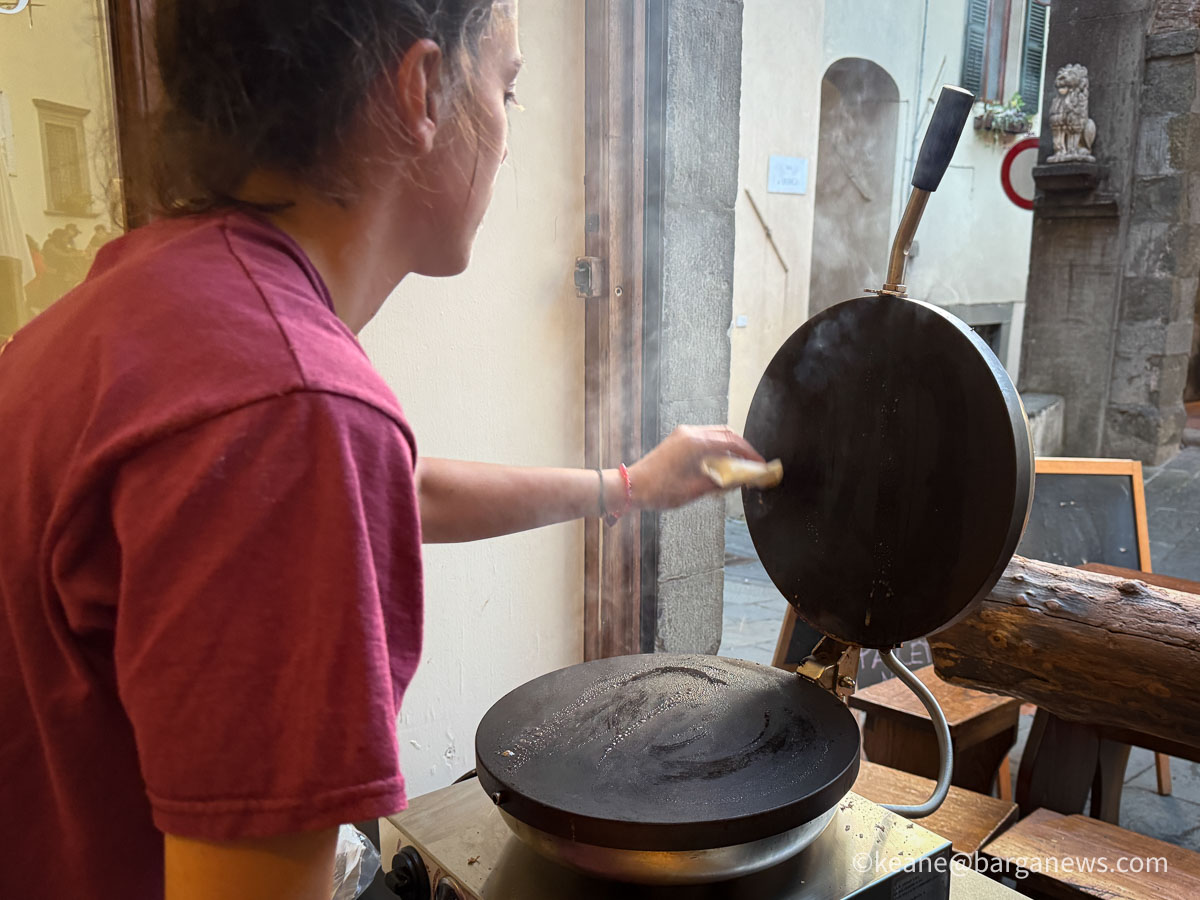
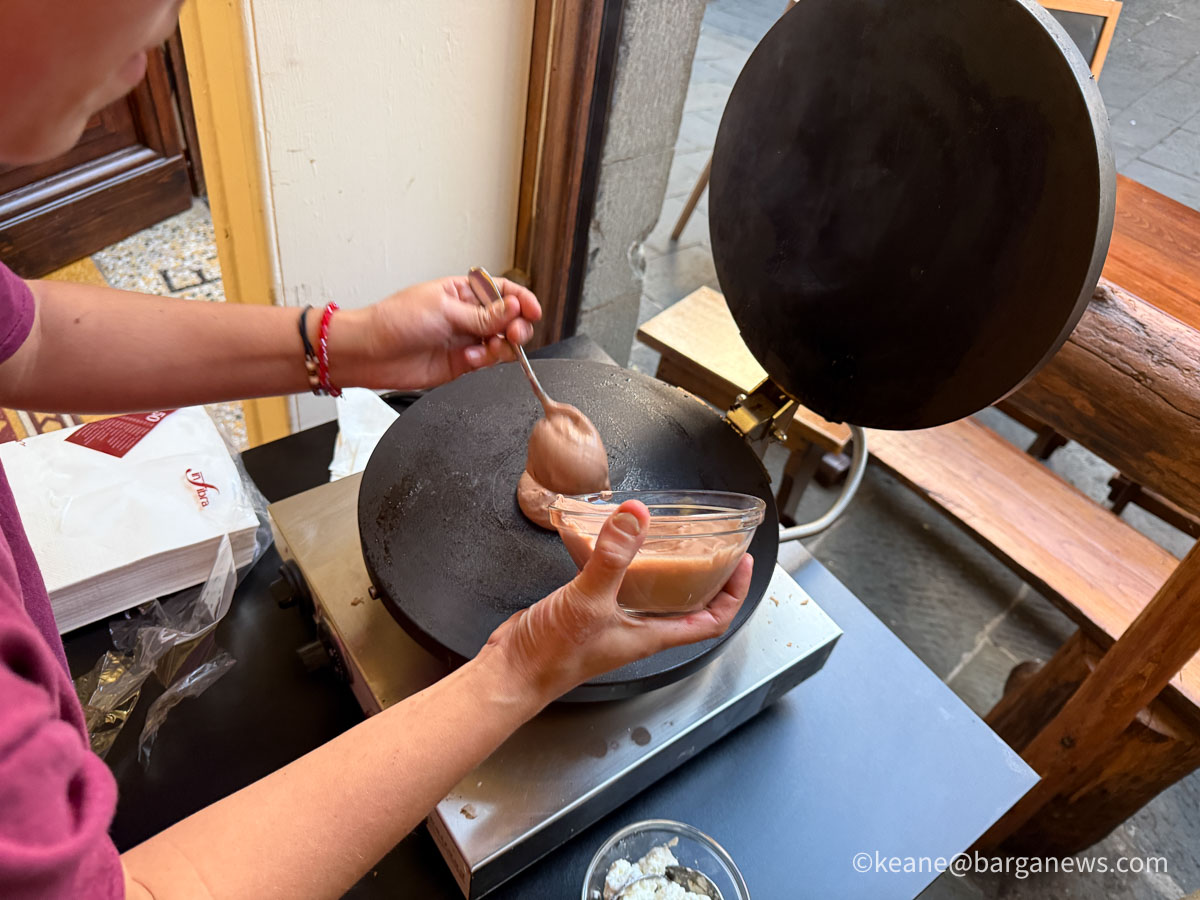
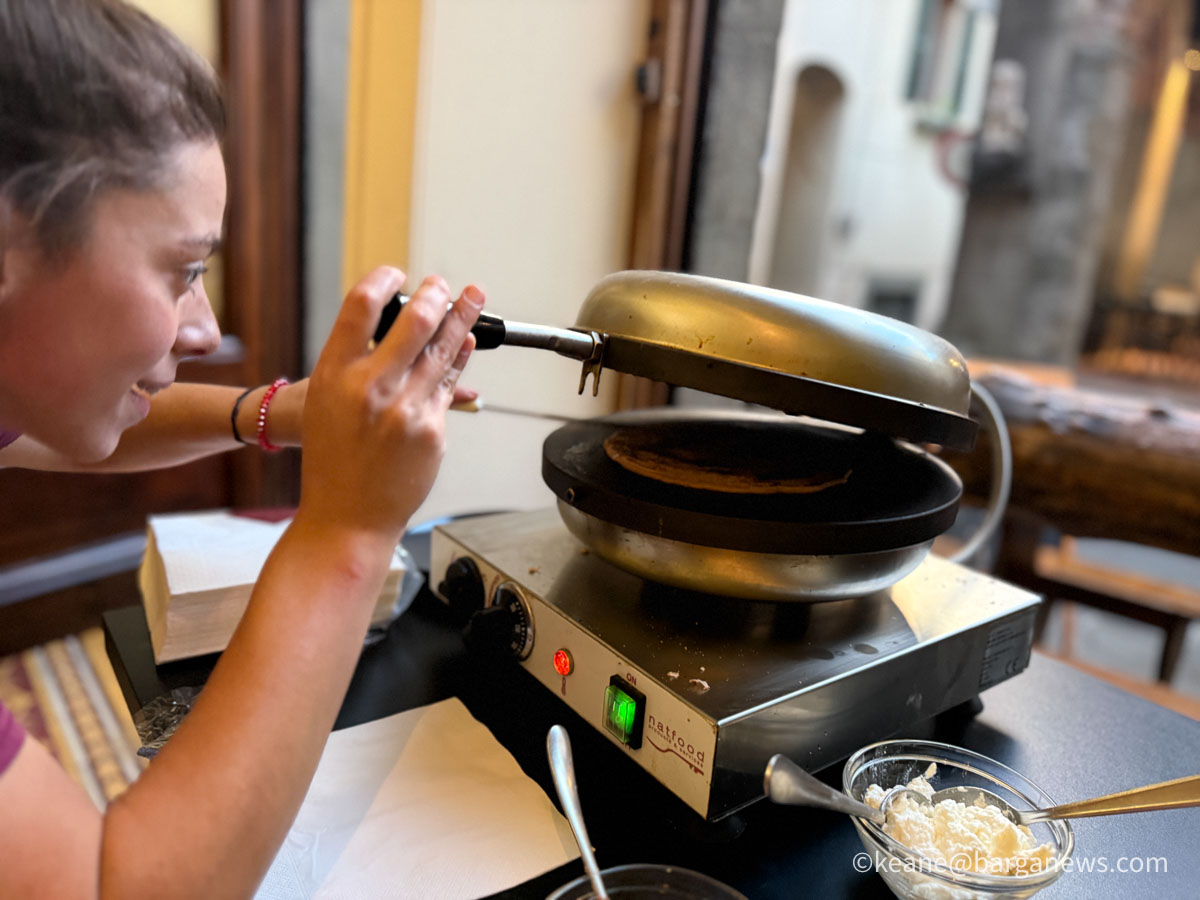
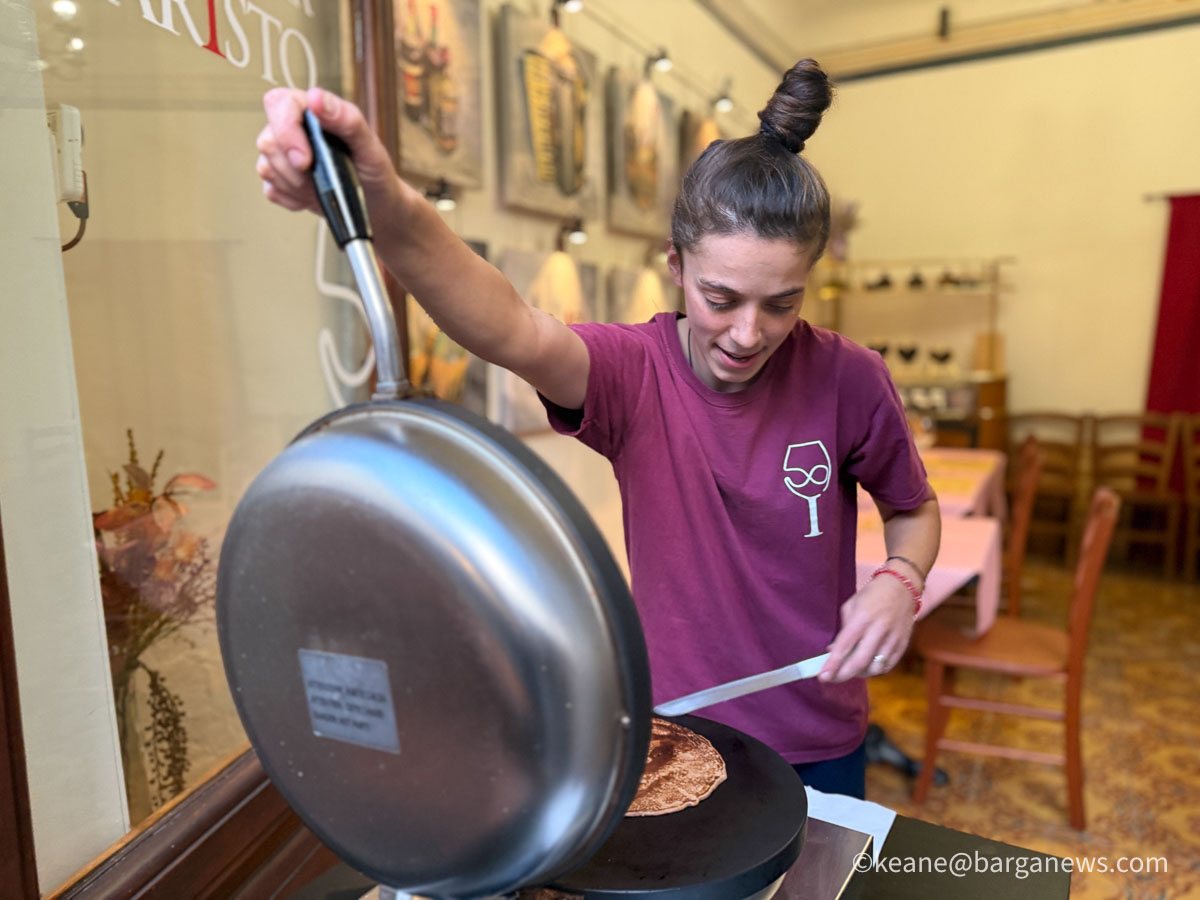
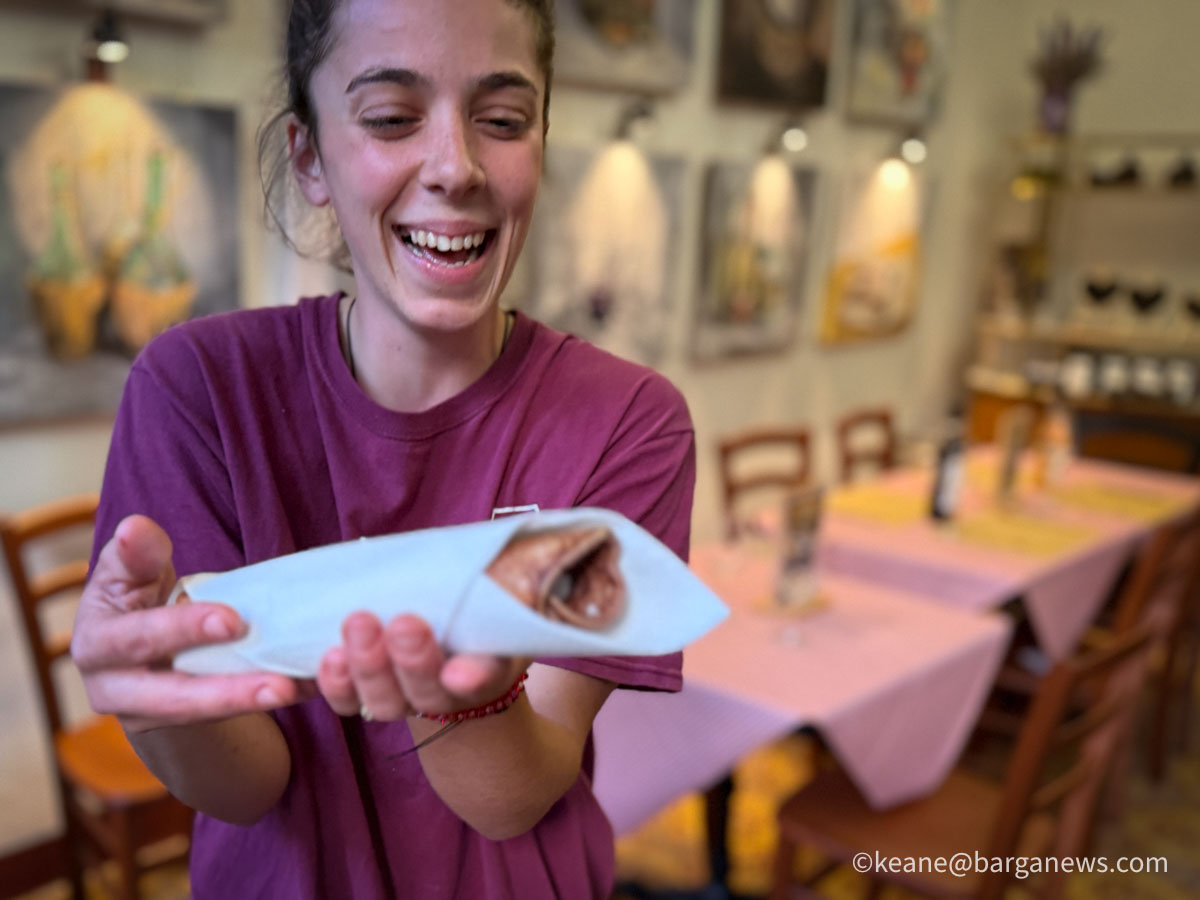
The cooking took place right beside the entrance to Loggia Da Aristo, with customers able to watch the entire process, from the first spoonful of mixture hitting the hot iron to the finished neccio being folded around its filling.
The unmistakable smell of warm chestnut flour drifted out into the street, adding another small attraction to the familiar daily life of the piazza.
For generations, necci were a practical and inexpensive food, particularly during the colder months when chestnut flour was readily available and wheat flour was often a luxury.




Questa settimana alla Loggia Da Aristo, nel cuore di Barga Vecchia, si è respirata un’aria decisamente autunnale con il ritorno dei necci, uno dei piatti più tradizionali della cucina barghigiana.
Preparati con farina di castagne e acqua, i necci fanno parte dell’alimentazione locale da secoli, fin dai tempi in cui le castagne rappresentavano una risorsa alimentare fondamentale per le famiglie che vivevano sulle montagne intorno a Barga.
Da Aristo si poteva scegliere tra un ripieno di ricotta e uno di Nutella, oppure entrambi, per chi proprio non riusciva a decidersi.
La preparazione avveniva proprio accanto all’ingresso della Loggia Da Aristo, dove i clienti potevano seguire tutte le fasi della cottura, dal primo cucchiaio di impasto versato sui ferri roventi fino al neccio pronto, ripiegato intorno al suo ripieno.
L’inconfondibile profumo della farina di castagne appena cotta si diffondeva lungo la strada, aggiungendo un piccolo piacere alla consueta vita quotidiana della piazza.
Per generazioni, i necci sono stati un alimento semplice, economico e sostanzioso, soprattutto durante i mesi più freddi, quando la farina di castagne era facilmente disponibile mentre quella di grano rappresentava spesso un lusso.