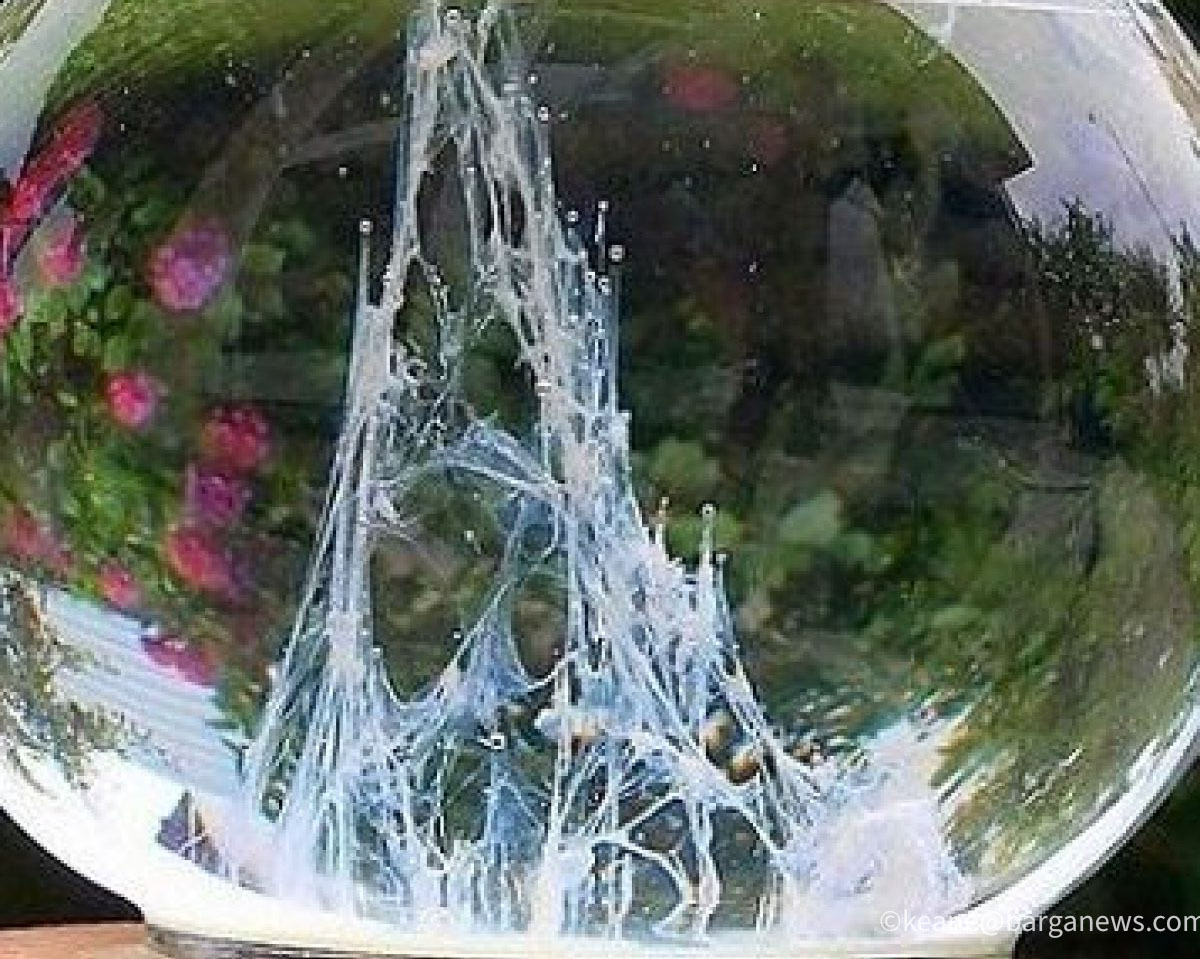
As the feast of Saints Peter and Paul arrives on 29 June, an old rural tradition has once again made its annual appearance in kitchens, gardens and windowsills across Italy.
Known as the Barca di San Pietro (The Boat of St Peter) or the Veliero di San Pietro (St Peter’s Sailing Ship), the custom is one of those fascinating pieces of folk culture that survives from a time when the weather could determine whether a family would prosper or struggle through the coming months.
The ritual itself is simple. On the evening of 28 June, a glass container is filled with water and the white of an egg is carefully added. The container is then left outside overnight, exposed to the cool air and the dew. By morning, delicate white filaments have formed within the water, often creating shapes that resemble the masts, sails and rigging of a sailing ship.
Many people across Italy were posting photographs of their “boats” on social media this morning, comparing the size of the sails and the number of masts that had appeared during the night.
According to popular tradition, the sails are formed by the breath of St Peter himself. Before becoming one of Christ’s apostles, Peter was a fisherman, and folklore tells us that during the night he blows upon the water, filling the sails of the tiny vessel that bears his name.
For generations, farming families looked carefully at the results. A well-formed boat with tall masts and full sails was considered a sign of good weather and a successful harvest. A poorly formed or collapsed vessel could indicate storms, rain or a less favourable season ahead.
While science explains the phenomenon as a reaction between the proteins in the egg white and changes in temperature and humidity during the night, the tradition has lost none of its charm.
The custom remains particularly strong in parts of Northern Italy, although it is also known in Tuscany and throughout the Apennine regions. It belongs to the same rich tradition of midsummer folklore that includes the preparation of Acqua di San Giovanni on the night of 23 June, when flowers and herbs are left beneath the dew before being used the following morning.





Con l’arrivo della festa dei Santi Pietro e Paolo il 29 giugno, un’antica tradizione contadina è tornata a comparire, come ogni anno, nelle cucine, nei giardini e sui davanzali di tutta Italia.
Conosciuta come la Barca di San Pietro o il Veliero di San Pietro, questa usanza rappresenta uno degli esempi più affascinanti della cultura popolare tramandata da un’epoca in cui il tempo atmosferico poteva determinare la prosperità o le difficoltà di una famiglia nei mesi successivi.
Il rito è molto semplice. La sera del 28 giugno si riempie d’acqua un contenitore di vetro e vi si aggiunge con attenzione l’albume di un uovo. Il recipiente viene poi lasciato all’aperto per tutta la notte, esposto all’aria fresca e alla rugiada. Al mattino, nell’acqua si sono formati sottili filamenti bianchi che spesso assumono l’aspetto di alberi maestri, vele e cordami di un veliero.
Questa mattina molte persone in tutta Italia hanno condiviso sui social network le fotografie delle loro “barche”, confrontando la grandezza delle vele e il numero degli alberi comparsi durante la notte.
Secondo la tradizione popolare, le vele vengono create dal soffio di San Pietro stesso. Prima di diventare uno degli apostoli di Cristo, Pietro era un pescatore e il folklore racconta che durante la notte egli soffi sull’acqua gonfiando le vele della piccola imbarcazione che porta il suo nome.
Per generazioni, le famiglie contadine hanno osservato con attenzione il risultato. Una barca ben formata, con alberi alti e vele spiegate, era considerata un segno di bel tempo e di un raccolto abbondante. Al contrario, una barca poco definita o con le vele afflosciate poteva essere interpretata come presagio di pioggia, temporali o di una stagione meno favorevole.
Sebbene la scienza spieghi il fenomeno come una reazione delle proteine contenute nell’albume alle variazioni di temperatura e umidità durante la notte, questa tradizione non ha perso nulla del suo fascino.
L’usanza rimane particolarmente diffusa in alcune regioni del Nord Italia, ma è conosciuta anche in Toscana e lungo tutta la dorsale appenninica. Fa parte di quel ricco patrimonio di tradizioni popolari legate al solstizio d’estate e alla notte di mezza estate, di cui è esempio anche la preparazione dell’Acqua di San Giovanni nella notte tra il 23 e il 24 giugno, quando fiori ed erbe aromatiche vengono lasciati all’aperto sotto la rugiada per essere utilizzati il mattino seguente.