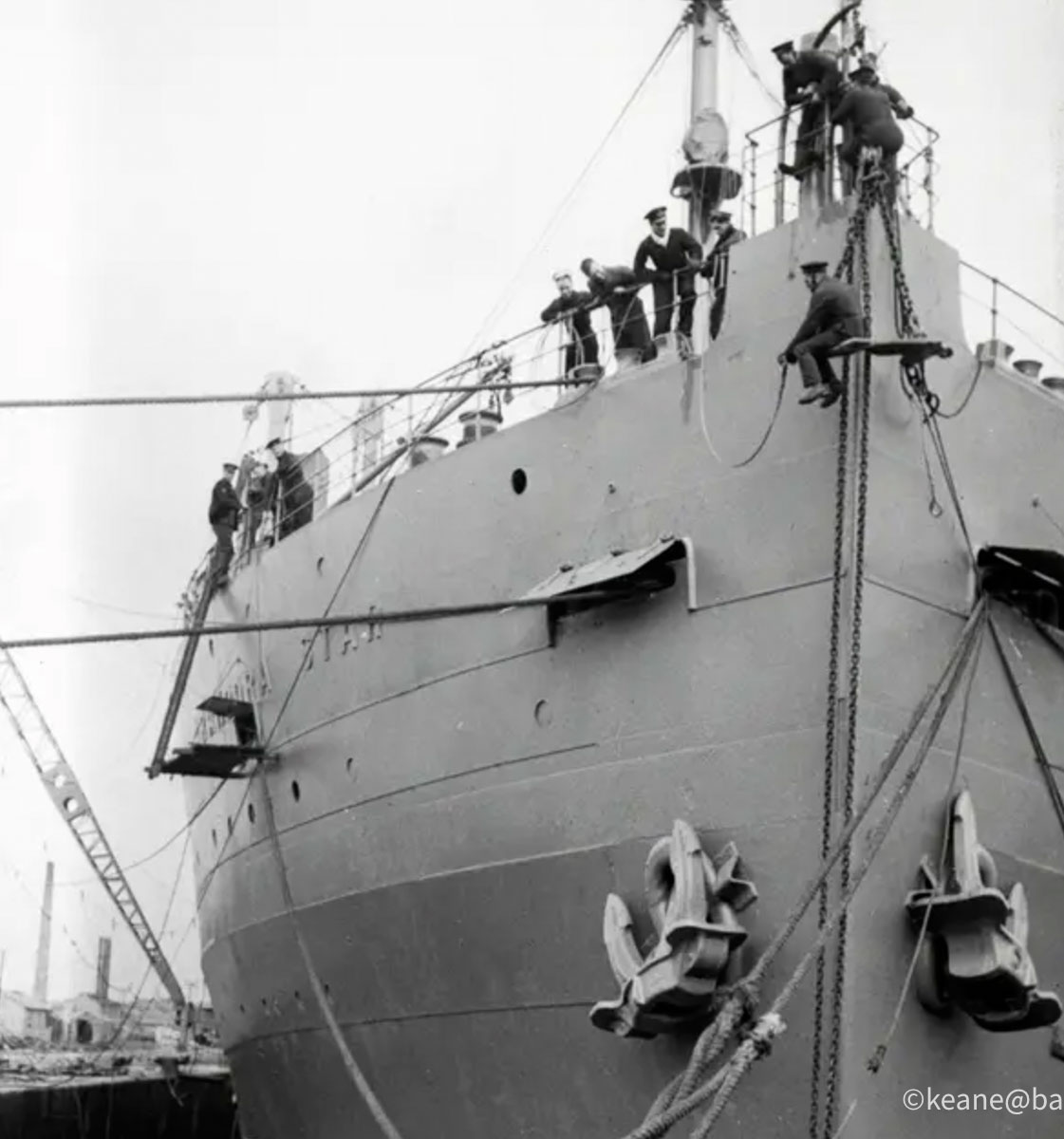
The Arandora Star: The Tragedy That Changed Britain’s Policy Towards Italian Internees
On the morning of 2 July 1940, one of the darkest episodes in the history of the Italian community in Britain unfolded in the Atlantic Ocean.
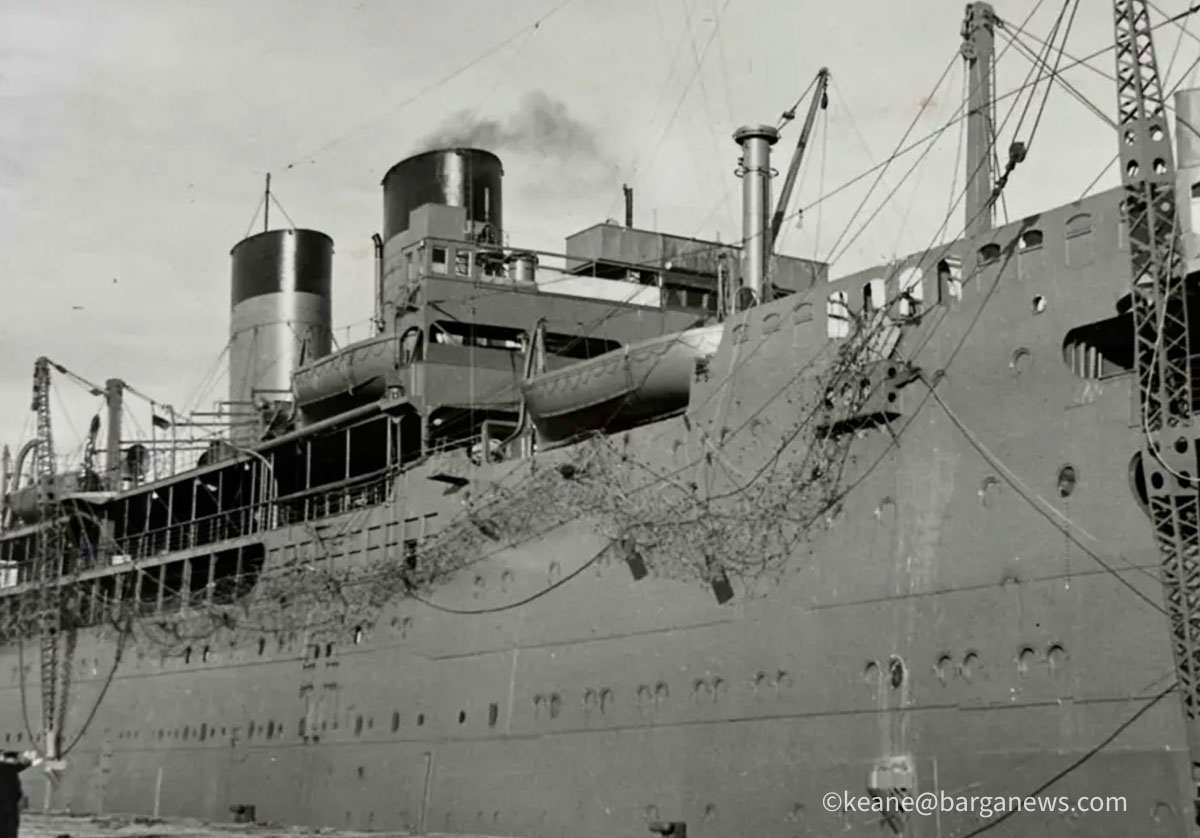
The passenger liner SS Arandora Star, carrying more than 1,500 people, was torpedoed by the German submarine U-47 around 75 miles west of the Irish coast. Within a short time the ship sank, taking with it the lives of more than 800 people, including 470 Italian civilians who had lived peacefully in Britain, many of them for decades.
For communities such as Barga, whose families had long-established connections with Britain, the tragedy left scars that are still remembered today.
From neighbours to “enemy aliens”
When the Second World War began in September 1939, German and Austrian nationals living in Britain were officially classified as “enemy aliens.”
More than one hundred tribunals were established across the country to examine each individual case. People were divided into three categories:
Category A – considered a security risk and interned.
Category B – allowed to remain free but subject to restrictions.
Category C – regarded as posing no threat and left at liberty.
This system attempted to distinguish genuine security risks from refugees and long-established residents.
Italian civilians, however, were treated differently.
Italy enters the war
Everything changed on 10 June 1940, when Benito Mussolini declared war on Britain.
The following day, Prime Minister Winston Churchill instructed that Italian men should be interned.
Thousands were arrested within days. Many had lived in Britain for twenty or thirty years. They owned cafés, restaurants, ice cream businesses and fish-and-chip shops. Their children attended British schools and many considered Britain their only home.
Instead of appearing before tribunals like German and Austrian nationals, many Italians were simply rounded up and sent to internment camps, particularly on the Isle of Man.
A flawed system
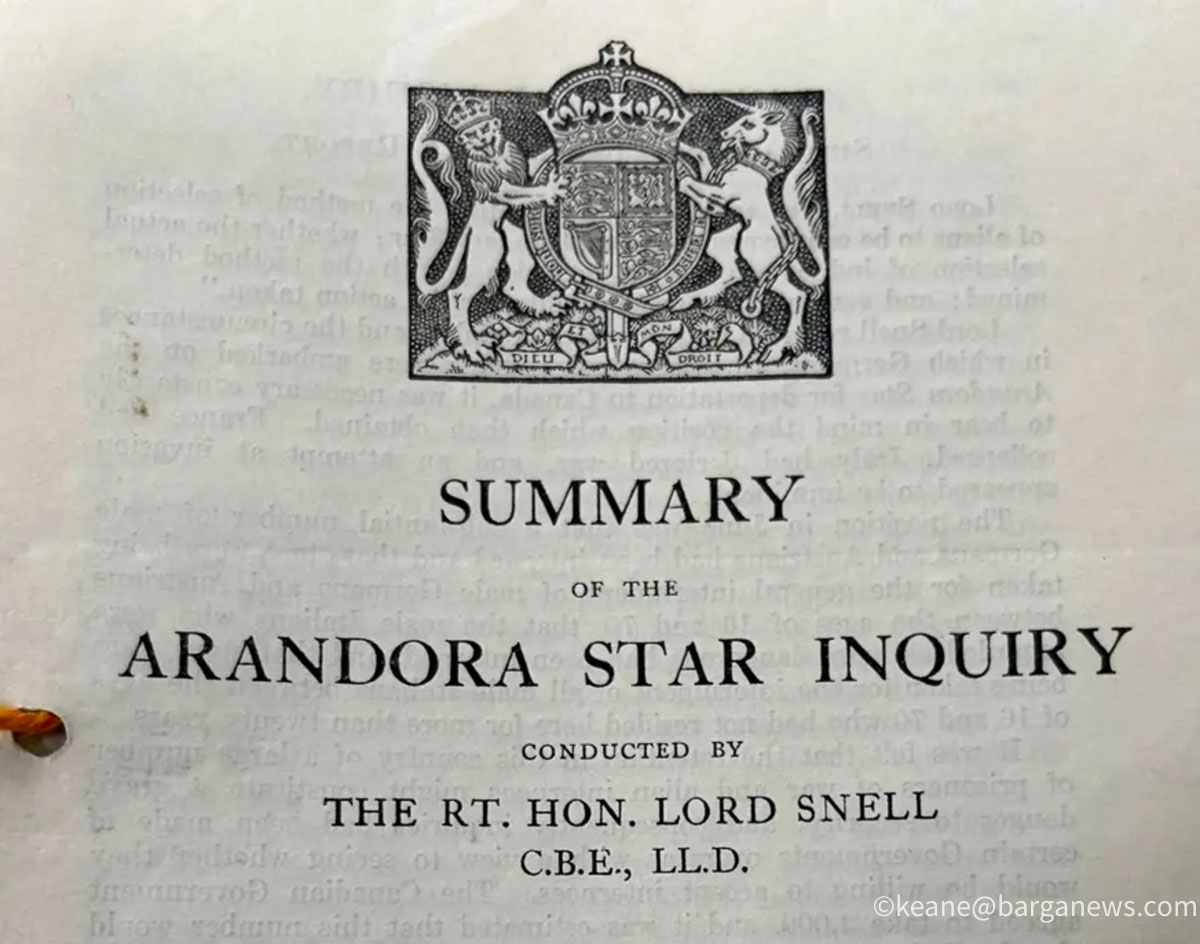
One of the most revealing findings to emerge after the disaster came from the official Lord Snell Inquiry.
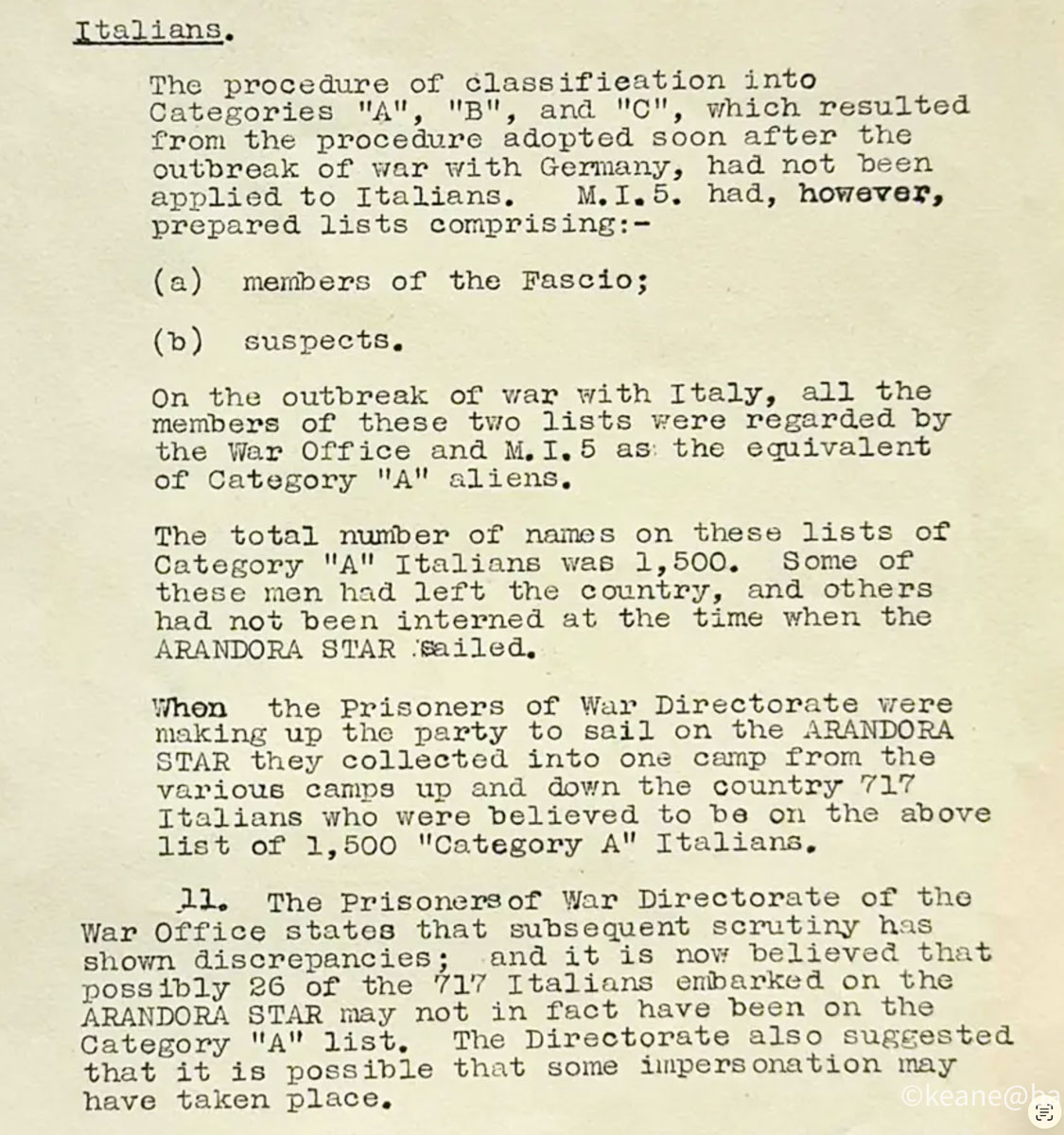
The inquiry discovered that the normal tribunal system used for Germans and Austrians had never been applied to Italians.
Instead, the Security Services (MI5) had prepared lists of approximately 1,500 Italians consisting mainly of:
members of the Fascist Party
people regarded as “suspects”
When war broke out with Italy, these lists were automatically treated as the equivalent of Category A, without individual hearings or assessments.
Even more remarkably, the inquiry later found discrepancies in those lists.
Of the 717 Italians placed aboard the Arandora Star, officials later admitted that at least 26 may never have belonged on the Category A list at all, while investigators even suggested that cases of mistaken identity or impersonation may have occurred.
These findings demonstrated that many of those deported had never been individually judged to represent any danger.
Deportation to Canada
Britain had decided not simply to intern many foreign nationals but to deport them overseas.
Five ships were selected to transport more than 6,000 internees and prisoners of war to Canada and Australia.
The Arandora Star sailed from Liverpool on 30 June 1940 carrying:
717 Italians
473 Germans
military guards
crew
The ship was heavily overcrowded and, crucially, carried insufficient lifeboats for everyone on board.
Disaster in the Atlantic
At approximately 6.15 a.m. on 2 July, the German submarine U-47, commanded by Günther Prien, fired a torpedo that struck the Arandora Star.
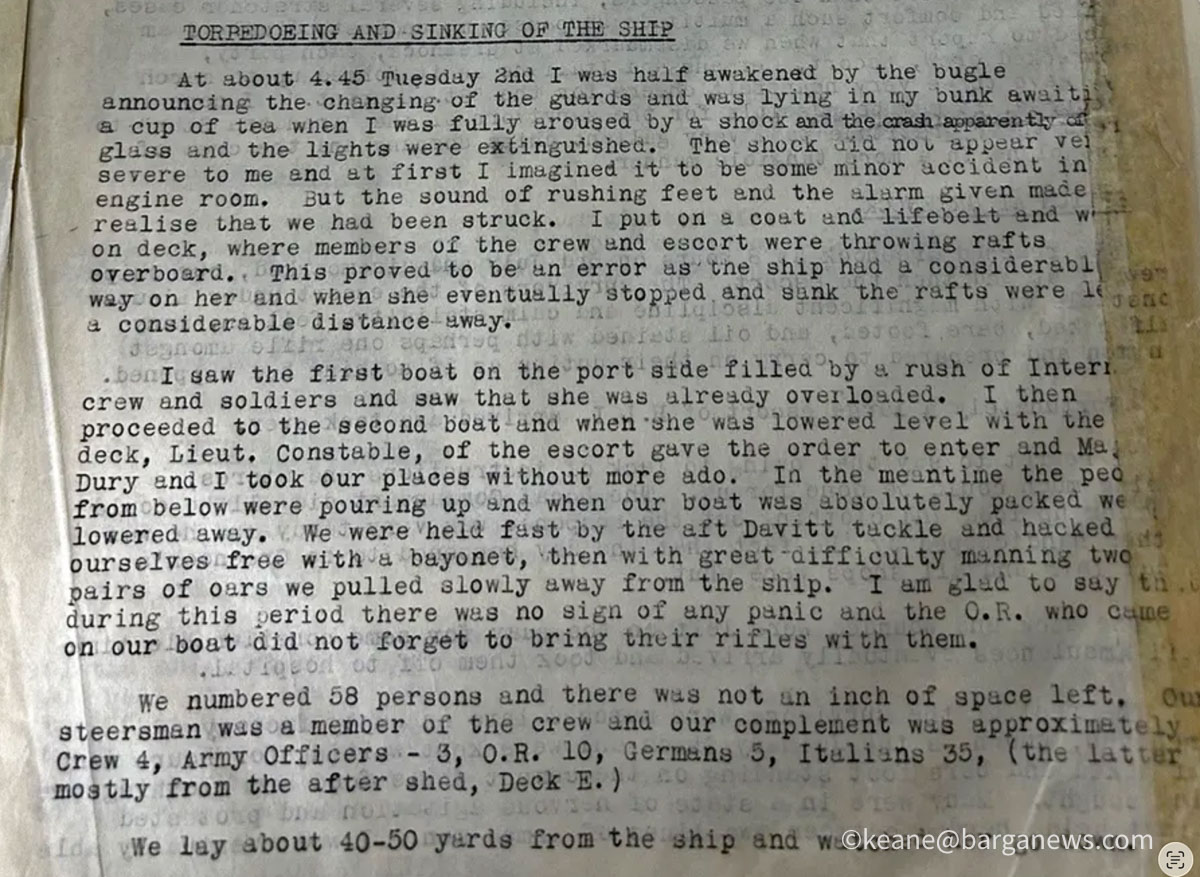
One surviving official later recalled believing at first that only a minor accident had occurred in the engine room before rushing on deck.
There he witnessed liferafts being thrown into the sea while the ship was still moving. By the time the vessel stopped and finally sank, many of the rafts had drifted far beyond reach.
One survivor described lowering a lifeboat packed with 58 people, including Italians, Germans, soldiers and crew, with barely enough room for anyone to move.
The Arandora Star disappeared beneath the Atlantic within a matter of hours.
More than 800 people lost their lives, including 470 Italians and 143 Germans.
The Lord Snell Inquiry
The public reaction to the disaster forced the British Government to establish an official inquiry chaired by Lord Snell.
His conclusions were deeply significant.
The inquiry found that many of the Italians who had died:
had lived in Britain for many years
had families in Britain
were loyal to Britain
had only nominal or technical membership of the Fascist Party
or had never been Fascists at all.
Lord Snell concluded that the Government had issued no clear instructions on how foreign civilians should be selected for deportation overseas, resulting in inconsistent and sometimes deeply flawed decisions.
A change in policy
The tragedy immediately forced ministers to reconsider the entire deportation programme.
On 3 July 1940, just one day after the sinking, the War Cabinet agreed that several categories of internees should no longer be deported, including:
men essential to Britain’s war industries
men interned by mistake
married men whose families would suffer exceptional hardship.
Despite these changes, deportations unfortunately continued for a short time.
Only one day after the disaster, another 400 Italian civilians were sent to Canada aboard HMS Ettrick, while further deportations followed aboard the MS Sobieski.
The final transport ship, HMT Dunera, carried more than 2,500 internees to Australia under conditions later described as inhumane. Overcrowding, mistreatment by guards and the theft of prisoners’ belongings led to widespread public outrage.
Public opinion begins to change
The combined impact of the Arandora Star disaster and the shocking reports from the Dunera transformed public opinion.
Many newspapers, politicians and ordinary British citizens began questioning whether long-established foreign residents should have been treated as potential enemies.
The Government gradually relaxed its internment policy.
By October 1940, around 5,000 internees had been released.
By August 1941, more than 17,500 had regained their freedom.
Eventually, only those regarded as committed Nazis or Fascists remained in internment camps.
A tragedy that still resonates
Today the sinking of the Arandora Star is remembered not only as one of the greatest maritime disasters involving Italian civilians during the Second World War, but also as a turning point in Britain’s treatment of so-called “enemy aliens.”
For communities such as Barga, where so many families had sons, fathers, brothers and relatives living in Britain, the tragedy remains deeply personal.
The findings of the Lord Snell Inquiry revealed that many of those who died had never been properly assessed as security risks, and that some had been deported through administrative errors or indiscriminate policies born of wartime fear.
Eighty-six years later, the Arandora Star continues to remind us how quickly suspicion can replace justice during times of national crisis—and why the careful protection of individual rights remains as important in wartime as in peace.




L’Arandora Star: la tragedia che cambiò la politica britannica nei confronti degli internati italiani
La mattina del 2 luglio 1940 si consumò uno degli episodi più tragici della storia della comunità italiana in Gran Bretagna.
Il transatlantico SS Arandora Star, con a bordo oltre 1.500 persone, fu silurato dal sommergibile tedesco U-47 a circa 75 miglia dalla costa occidentale dell’Irlanda. In poche ore la nave affondò, portando con sé oltre 800 vittime, fra cui 470 civili italiani che vivevano pacificamente in Gran Bretagna, molti dei quali da decenni.
Per comunità come Barga, legata da generazioni all’emigrazione verso la Gran Bretagna, quella tragedia lasciò una ferita che ancora oggi non si è rimarginata.
Da vicini di casa a “stranieri nemici”
Quando scoppiò la Seconda Guerra Mondiale, nel settembre 1939, i cittadini tedeschi e austriaci residenti nel Regno Unito furono ufficialmente classificati come “enemy aliens” (stranieri nemici).
In tutto il Paese furono istituiti oltre cento tribunali incaricati di valutare ogni singolo caso. Le persone venivano suddivise in tre categorie:
Categoria A – da internare perché considerate un pericolo per la sicurezza nazionale.
Categoria B – esentate dall’internamento ma soggette a particolari restrizioni.
Categoria C – considerate prive di qualsiasi rischio e lasciate in libertà.
Questo sistema cercava almeno di distinguere fra chi rappresentava realmente una minaccia e chi invece era un rifugiato o un residente perfettamente integrato.
Per gli italiani, però, le cose andarono diversamente.
L’Italia entra in guerra
Tutto cambiò il 10 giugno 1940, quando Benito Mussolini dichiarò guerra alla Gran Bretagna.
Il giorno successivo il Primo Ministro Winston Churchill ordinò l’internamento degli uomini italiani residenti nel Paese.
Nel giro di pochi giorni migliaia di persone furono arrestate. Molti vivevano in Gran Bretagna da venti o trent’anni. Gestivano caffè, ristoranti, gelaterie e negozi di fish and chips. I loro figli frequentavano le scuole britanniche e consideravano ormai il Regno Unito la loro casa.
Invece di comparire davanti ai tribunali, come accadeva ai tedeschi e agli austriaci, molti italiani furono semplicemente arrestati e inviati nei campi di internamento, soprattutto sull’Isola di Man.
Un sistema profondamente imperfetto
Una delle rivelazioni più importanti emerse dopo la tragedia grazie all’inchiesta ufficiale presieduta da Lord Snell.
L’indagine accertò che il sistema dei tribunali utilizzato per tedeschi e austriaci non era mai stato applicato agli italiani.
L’MI5 aveva invece preparato un elenco di circa 1.500 italiani, comprendente principalmente:
iscritti al Partito Fascista;
persone considerate “sospette”.
Quando l’Italia entrò in guerra, questi elenchi furono automaticamente equiparati alla Categoria A, senza alcuna valutazione individuale.
L’inchiesta rivelò inoltre che tali elenchi contenevano errori.
Dei 717 italiani imbarcati sull’Arandora Star, gli stessi funzionari ammisero successivamente che almeno 26 probabilmente non appartenevano nemmeno alla Categoria A, mentre fu persino ipotizzata la possibilità di errori di identificazione o casi di scambio d’identità.
Queste conclusioni dimostrarono che molte delle persone deportate non erano mai state realmente giudicate un pericolo per la sicurezza.
La deportazione verso il Canada
Il governo britannico aveva deciso non solo di internare molti stranieri, ma anche di deportarne migliaia oltreoceano.
Cinque navi furono destinate al trasporto di oltre 6.000 internati e prigionieri di guerra verso il Canada e l’Australia.
L’Arandora Star salpò da Liverpool il 30 giugno 1940 con a bordo:
717 italiani;
473 tedeschi;
personale militare di scorta;
equipaggio.
La nave era gravemente sovraffollata e, cosa ancora più grave, disponeva di un numero insufficiente di scialuppe di salvataggio per tutte le persone imbarcate.
Il disastro nell’Atlantico
Alle 6.15 circa del mattino del 2 luglio, il sommergibile tedesco U-47, comandato da Günther Prien, lanciò un siluro che colpì l’Arandora Star.
Uno dei sopravvissuti raccontò di aver inizialmente pensato ad un semplice incidente nella sala macchine. Solo quando sentì il rumore di centinaia di persone che correvano sul ponte comprese che la nave era stata colpita.
Vide l’equipaggio gettare in mare le zattere mentre la nave era ancora in movimento. Quando l’Arandora Star si fermò definitivamente prima di affondare, molte di quelle zattere si trovavano ormai troppo lontane per essere raggiunte.
Un altro sopravvissuto descrisse una scialuppa con 58 persone stipate a bordo, fra italiani, tedeschi, soldati britannici ed equipaggio, senza praticamente alcuno spazio per muoversi.
Nel giro di poche ore la nave scomparve sotto le acque dell’Atlantico.
Morirono oltre 800 persone, fra cui 470 italiani e 143 tedeschi.
L’inchiesta di Lord Snell
L’emozione suscitata dalla tragedia costrinse il Governo britannico ad istituire un’inchiesta ufficiale affidata a Lord Snell.
Le sue conclusioni furono estremamente significative.
L’indagine stabilì che molti degli italiani morti:
vivevano da molti anni in Gran Bretagna;
avevano moglie e figli nel Paese;
nutrivano sentimenti di lealtà verso la Gran Bretagna;
erano iscritti al Partito Fascista soltanto formalmente;
oppure non erano mai stati fascisti.
Lord Snell concluse che il Governo non aveva mai stabilito criteri chiari per selezionare i civili stranieri da deportare oltreoceano, lasciando spazio a decisioni arbitrarie e spesso profondamente ingiuste.
Il cambiamento della politica britannica
La tragedia costrinse immediatamente il Governo a riesaminare l’intero programma di deportazione.
Il 3 luglio 1940, appena un giorno dopo l’affondamento, il Gabinetto di Guerra decise che alcune categorie di internati non sarebbero più state deportate, fra cui:
gli uomini impiegati nella produzione bellica;
coloro che erano stati internati per errore;
gli uomini sposati la cui deportazione avrebbe causato gravi difficoltà alle loro famiglie.
Nonostante queste decisioni, le deportazioni purtroppo continuarono ancora per qualche tempo.
Appena un giorno dopo la tragedia, altri 400 civili italiani furono inviati in Canada a bordo della HMS Ettrick, mentre ulteriori deportazioni seguirono con la MS Sobieski.
L’ultima nave destinata al trasporto degli internati fu la HMT Dunera, diretta in Australia con oltre 2.500 persone a bordo.
Le condizioni durante il viaggio furono descritte come disumane: sovraffollamento, maltrattamenti da parte delle guardie, furti di effetti personali e condizioni igieniche gravissime provocarono un’ondata di indignazione nell’opinione pubblica.
L’opinione pubblica cambia
L’affondamento dell’Arandora Star e gli abusi denunciati sulla Dunera modificarono profondamente l’atteggiamento dell’opinione pubblica britannica.
Sempre più giornali, parlamentari e cittadini iniziarono a chiedersi se fosse giusto trattare come nemici uomini che vivevano da decenni nel Regno Unito e che avevano costruito lì la propria vita.
Anche il Governo cambiò gradualmente posizione.
Entro ottobre 1940 circa 5.000 internati erano già stati liberati.
Nell’agosto del 1941 i rilasci superarono le 17.500 persone.
Alla fine della guerra nei campi di internamento rimasero soltanto coloro che erano considerati convinti sostenitori del nazismo o del fascismo.
Una tragedia che continua a parlare al presente
Oggi l’affondamento dell’Arandora Star è ricordato non solo come una delle più grandi tragedie marittime che colpirono civili italiani durante la Seconda Guerra Mondiale, ma anche come un punto di svolta nella politica britannica verso gli “stranieri nemici”.
Per comunità come Barga, dove tante famiglie avevano padri, figli, fratelli e parenti emigrati in Gran Bretagna, quella tragedia rimane una memoria profondamente personale.
Le conclusioni dell’inchiesta di Lord Snell dimostrarono che molti di coloro che persero la vita non erano mai stati realmente considerati un pericolo per la sicurezza nazionale e che alcuni erano stati deportati a causa di errori amministrativi o di decisioni prese in un clima di paura collettiva.
A distanza di ottantasei anni, l’Arandora Star continua a ricordarci quanto facilmente, nei momenti di crisi, la paura possa prevalere sulla giustizia e quanto sia fondamentale tutelare i diritti individuali anche nei periodi più difficili della storia.