 A day of laying wreaths in Barga to remember the victims of the Foibe. The Foibe killings or Foibe massacres refers to the killings that took place mainly in Istria during and shortly after World War II from 1943 to 1949, perpetrated mainly by the Yugoslav Partisans.This term includes by extension killings in other subterranean formations, such as the Basovizza ‘foiba’, which is not a true foiba but a mine shaft. The name derives from a local geological feature, a type of deep karst sinkhole called a foiba
In Italy the term foibe has, for some authors and scholars, taken on a symbolic meaning; for them it refers in a broader sense to all the disappearances or killings of Italian people in the territories occupied by Yugoslav forces. According to Raoul Pupo, “It is well known that the majority of the victims didn’t end their lives in a Karst cave, but met their deaths on the road to deportation, as well as in jails or in Yugoslav concentration camps” . The terror spread by the disappearances and the killings eventually contributed to an atmosphere sufficient to cause the majority of the Italians of Istria, Rijeka and Zadar to flee to other parts of Italy or the Free Territory of Trieste.
Other authors have asserted that “[t]he post-war pursuit of the ‘truth’ of the foibe as a means of transcending Fascist/Anti-Fascist oppositions and promoting popular patriotism has not been the preserve of right-wing or neo-Fascist groups. Evocations of the ‘Slav other’ and of the terrors of the foibe made by state institutions, academics, amateur historians, journalists and the memorial landscape of everyday life were the backdrop to the post-war renegotiation of Italian national identity..
Estimates of the numbers of dead range from several hundred to several thousands
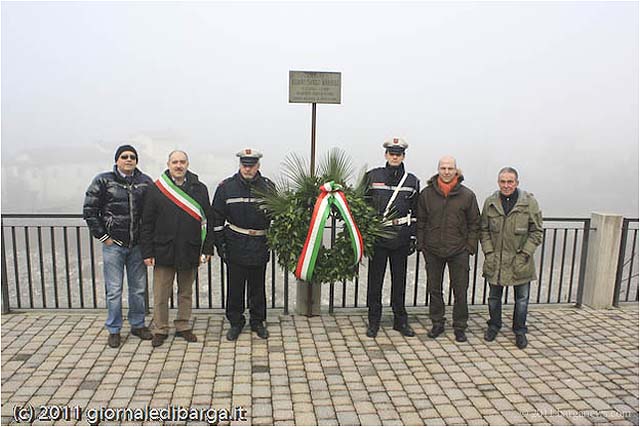
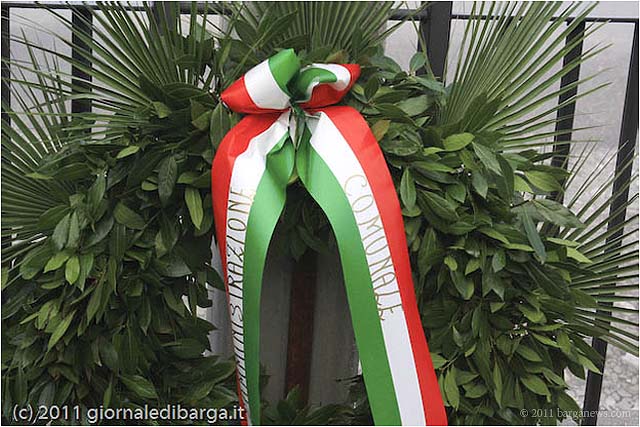
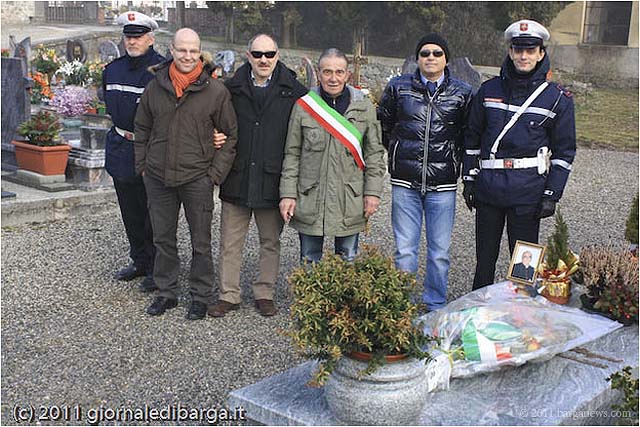
L’Amministrazione Comunale promuove in occasione del Giorno del Ricordo una serie di iniziative dedicate alla tragedia delle foibe e dell’esodo degli italiani da Istria, Fiume e Dalmazia. Particolare attenzione sarà rivolta ai giovani studenti delle scuole, invitati all’appuntamento, che potranno approfondire gli avvenimenti legati a questa tragedia della nostra storia a torto troppo spesso dimenticata.
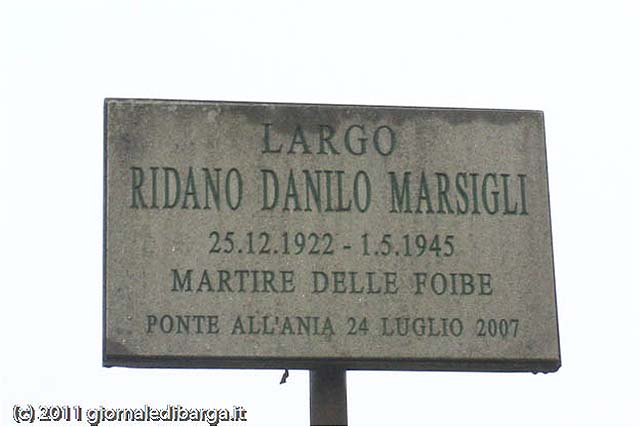
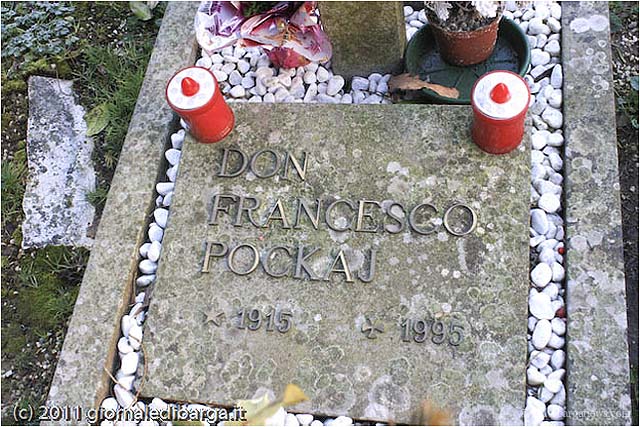
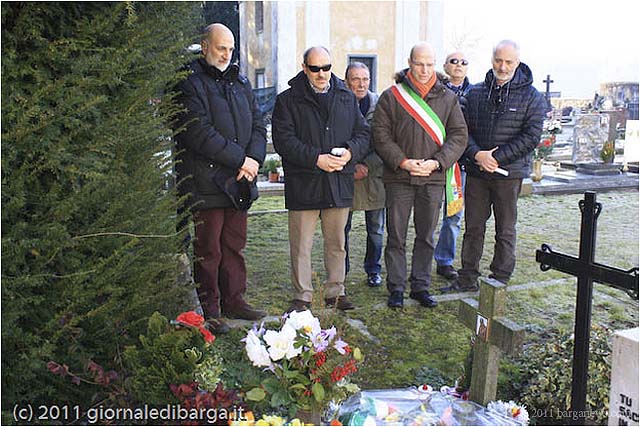
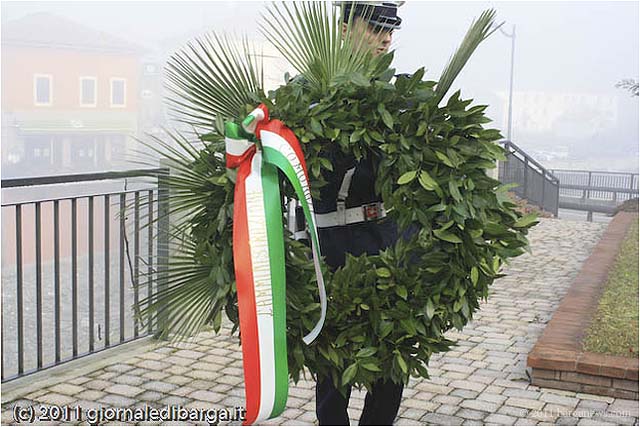
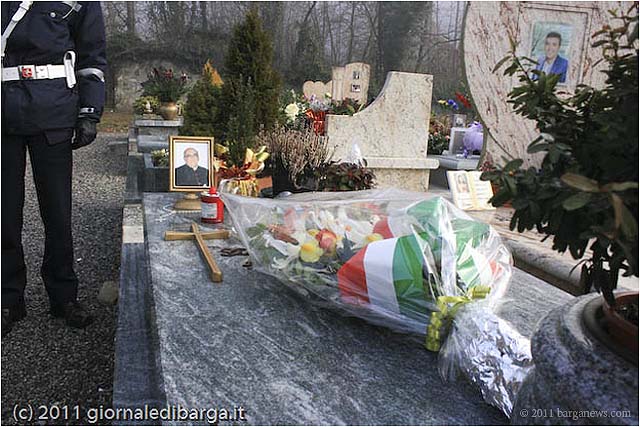
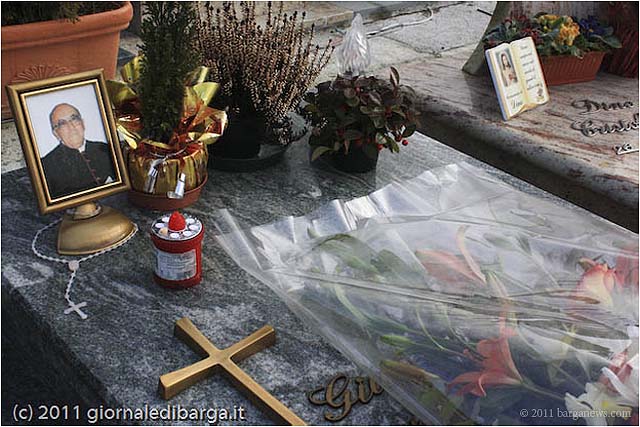
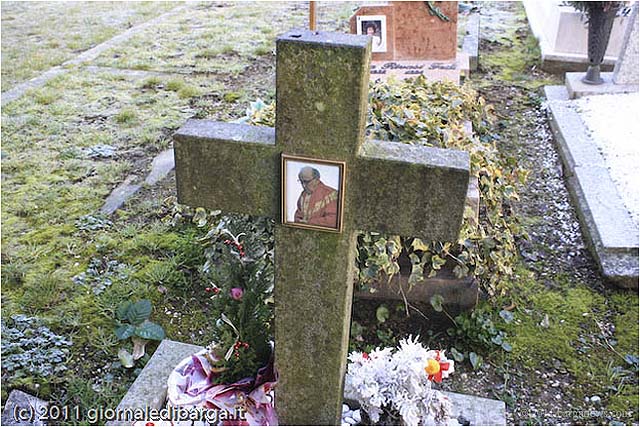
Una delegazione comunale si recherà a Ponta all’Ania (ore 9.30) per la deposizione di una corona a Ridano Marsigli. A seguire, alle ore 9.45, una visita presso il cimitero di Loppia dove riposa Don Giuseppe Stagni e alle ore 10.00 alla tomba di Don Francesco Pockaj.
Alle 10.30 l’Aula Magna dell’ISI di Barga ospiterà un incontro che vedrà partecipare, oltre alle autorità locali, Massimo Talini al quale è affidata una ricostruzione storica con particolare attenzione ai personaggi locali; Armando Spinelli, esule di Zara; Viviana Dinelli dell’Associazione Nazionale Venezia Giulia e Dalmazia (ANVGD).
Coordinerà l’incontro Andrea Giannasi di Prospettiva Editrice – In occasione della ricorrenza saranno anche proiettati alcuni filmati di testimonianze
Programma
Ore 9.30 Ponte all’Ania – Largo Ridano Marsigli – deposizione corona
Ore 9.45 Cimitero di Loppia – in ricordo di don Giuseppe Stagni
Ore 10.00 Cimitero di Barga – in ricordo di don Francesco Pockaj
Ore 10.30 Aula Magna ISI Barga – Via dell’Acquedotto, 18 – Barga
La tragedia delle foibe e dell’esodo degli italiani da Istria, Fiume e Dalmazia
Saluti delle autorità
Interverranno:
Prof. Massimo Talini
Armando Spinelli, esule di Zara
Viviana Dinelli dell’Associazione Nazionale Venezia Giulia e Dalmazia (ANVGD)
Coordina l’incontro Andrea Giannasi di Prospettiva Editrice
In occasione della ricorrenza saranno proiettati alcuni filmati di testimonianze