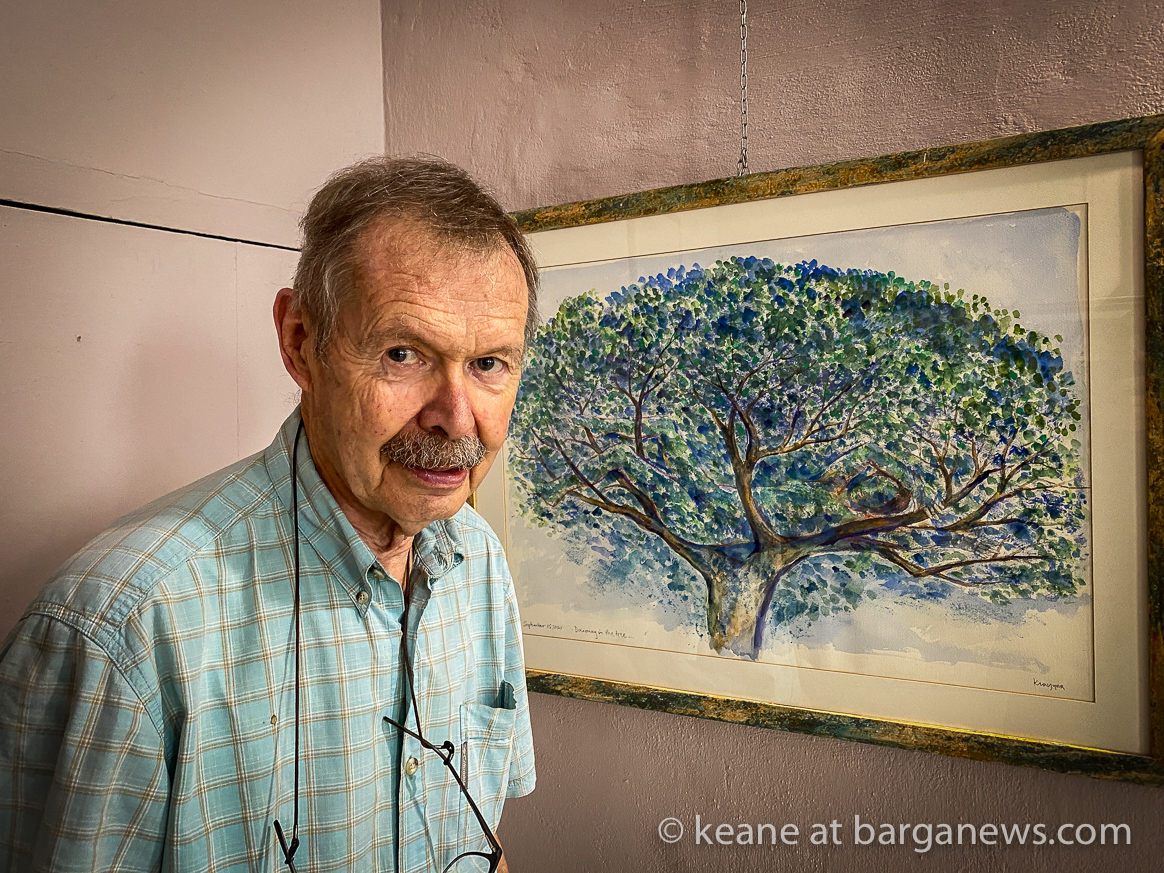
Paintings and Prints by Swietlan Nicholas Kraczyna – Text by Sylvia Hetzel
Olive Trees 1999–2001
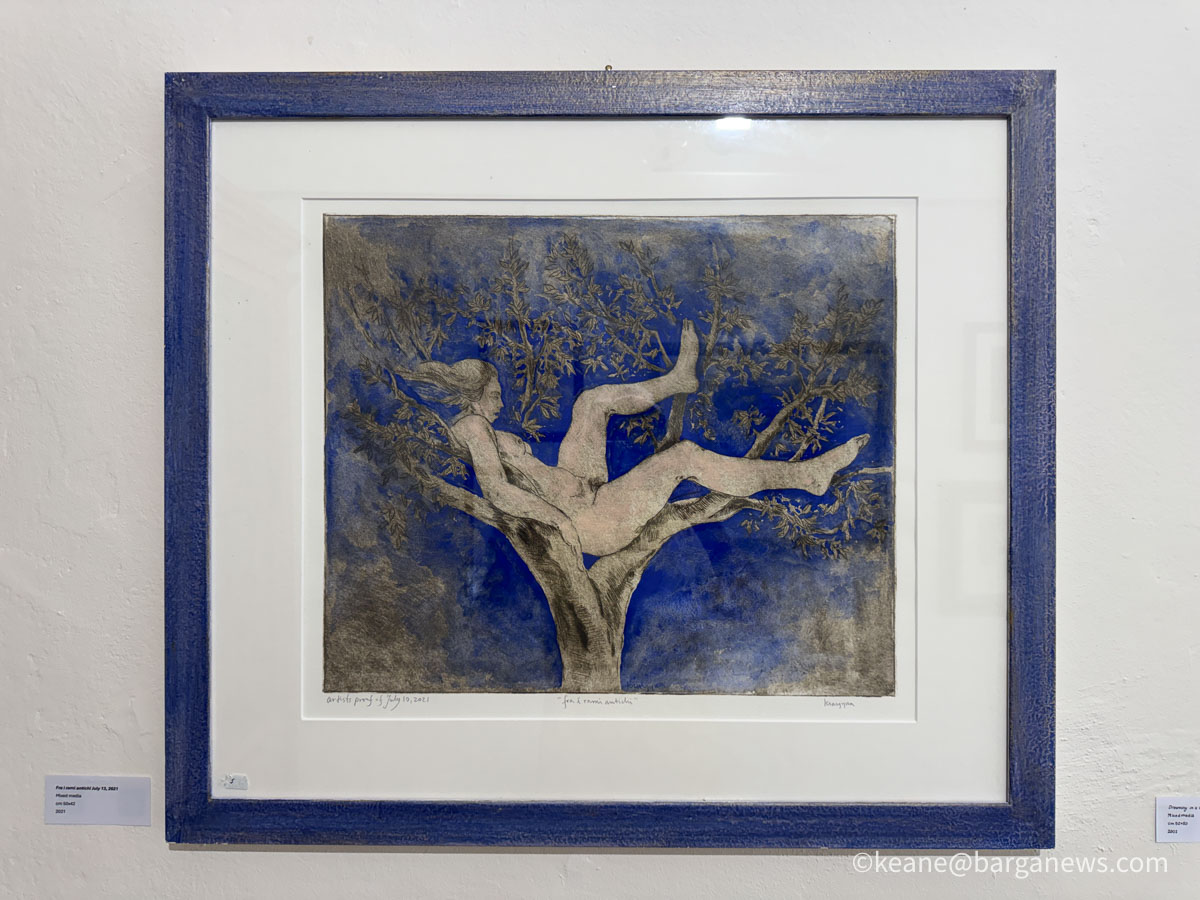
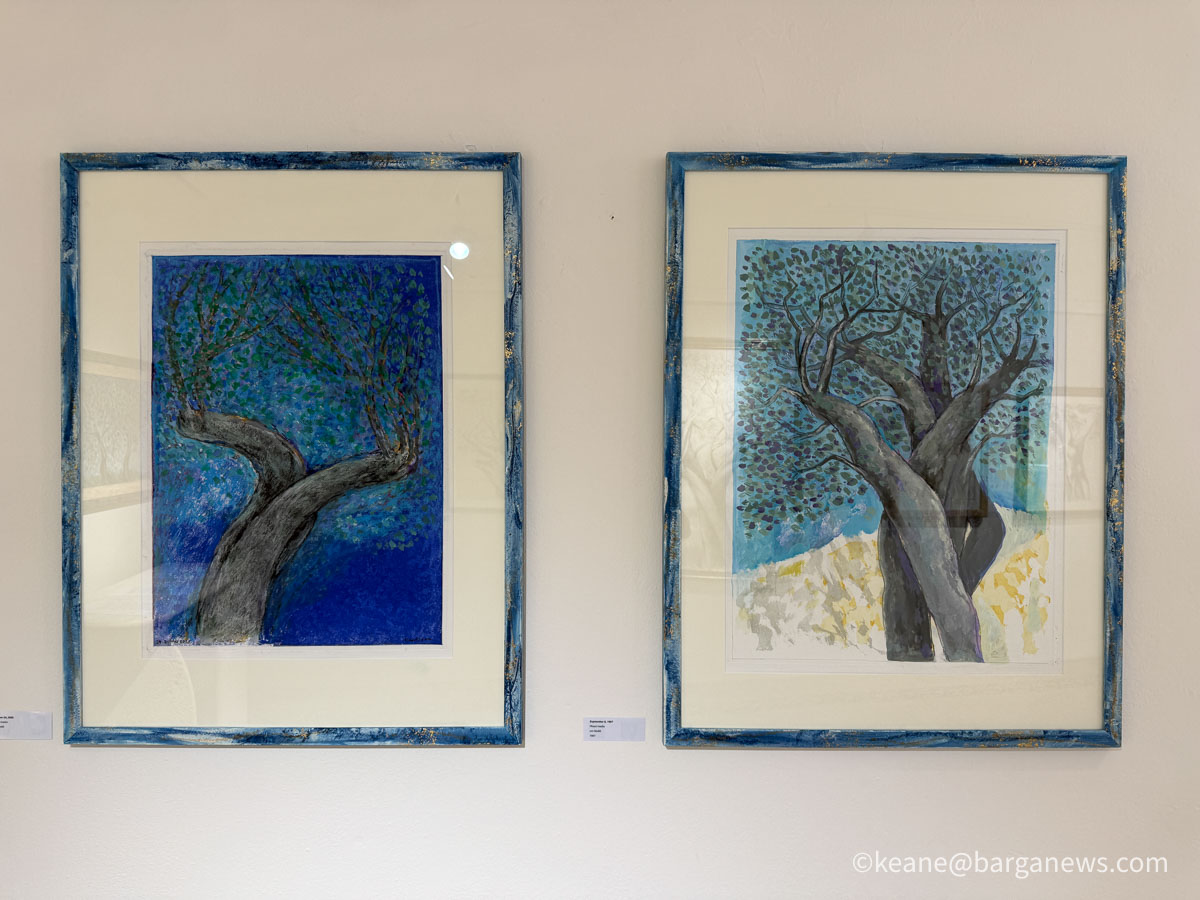
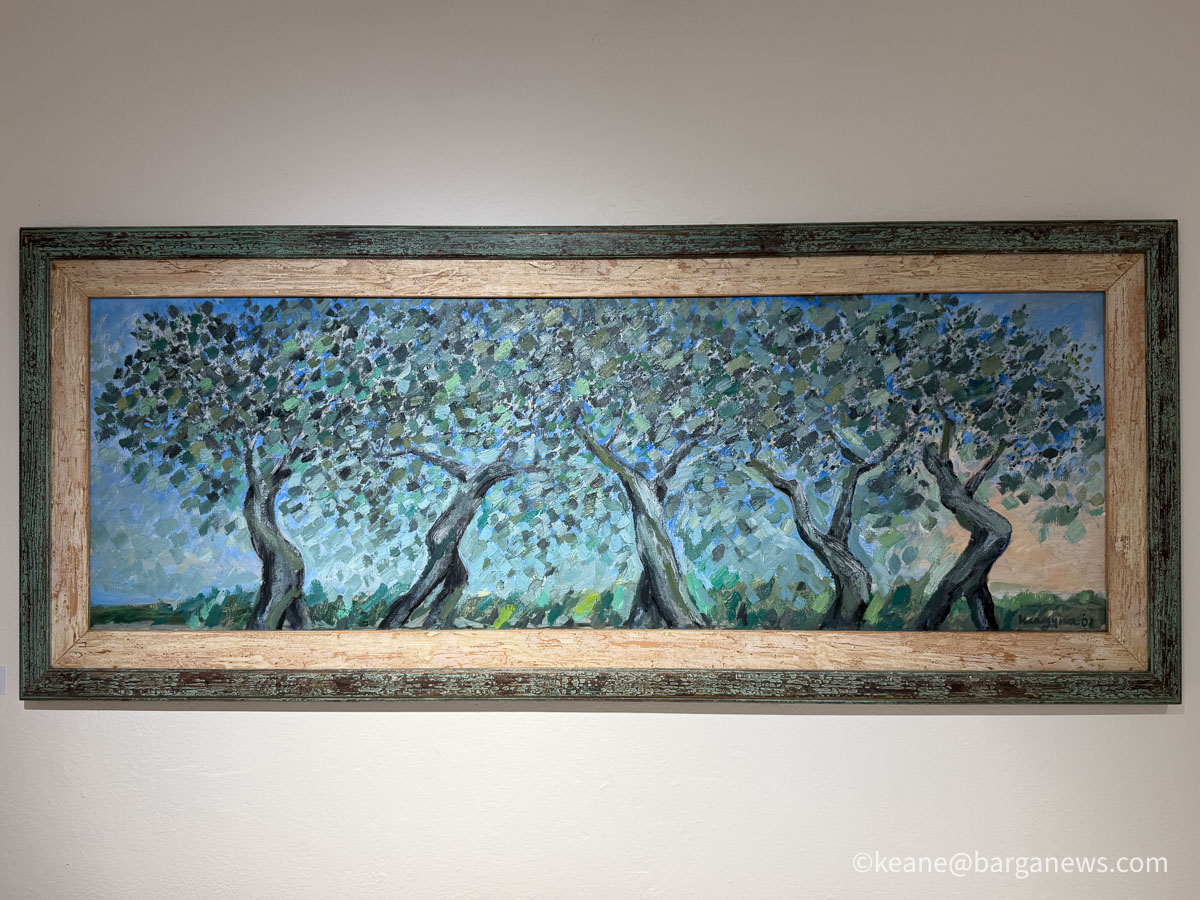
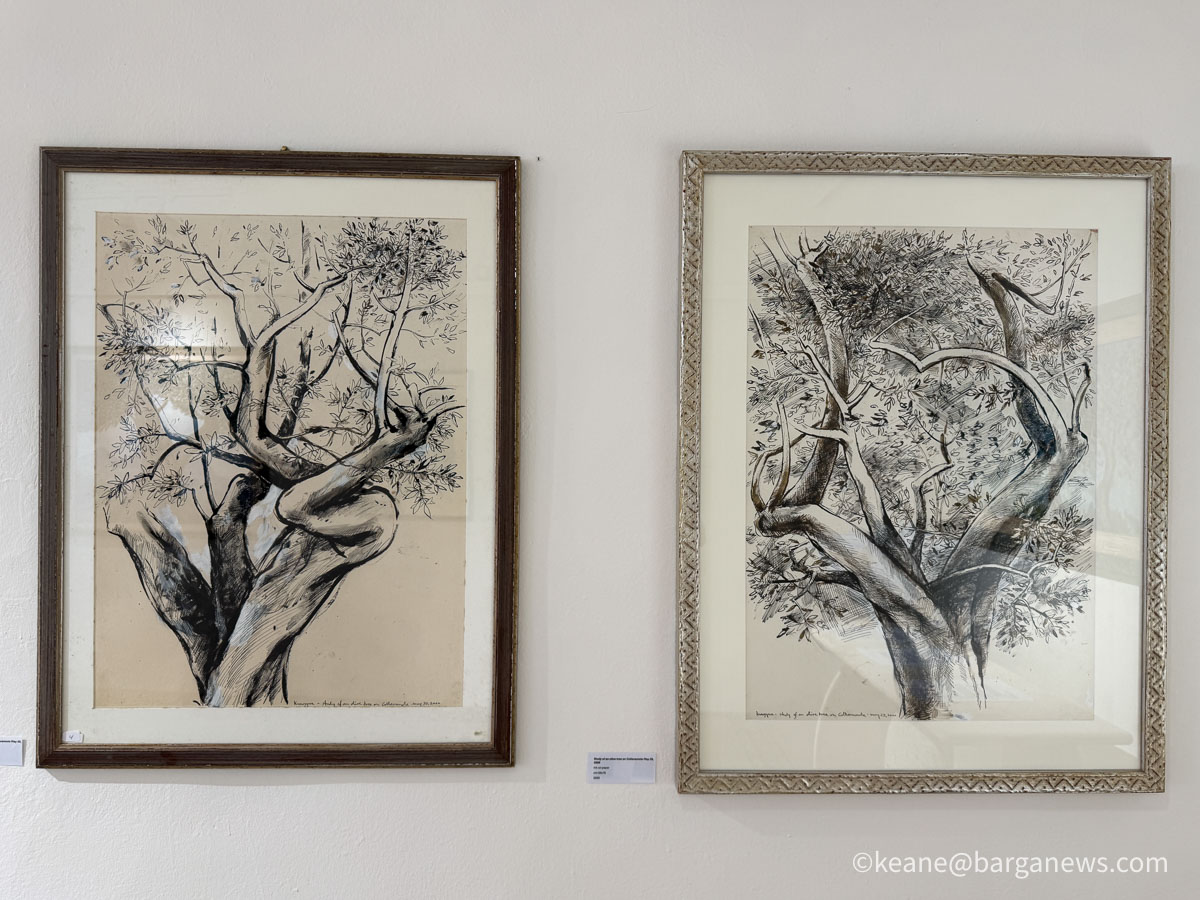
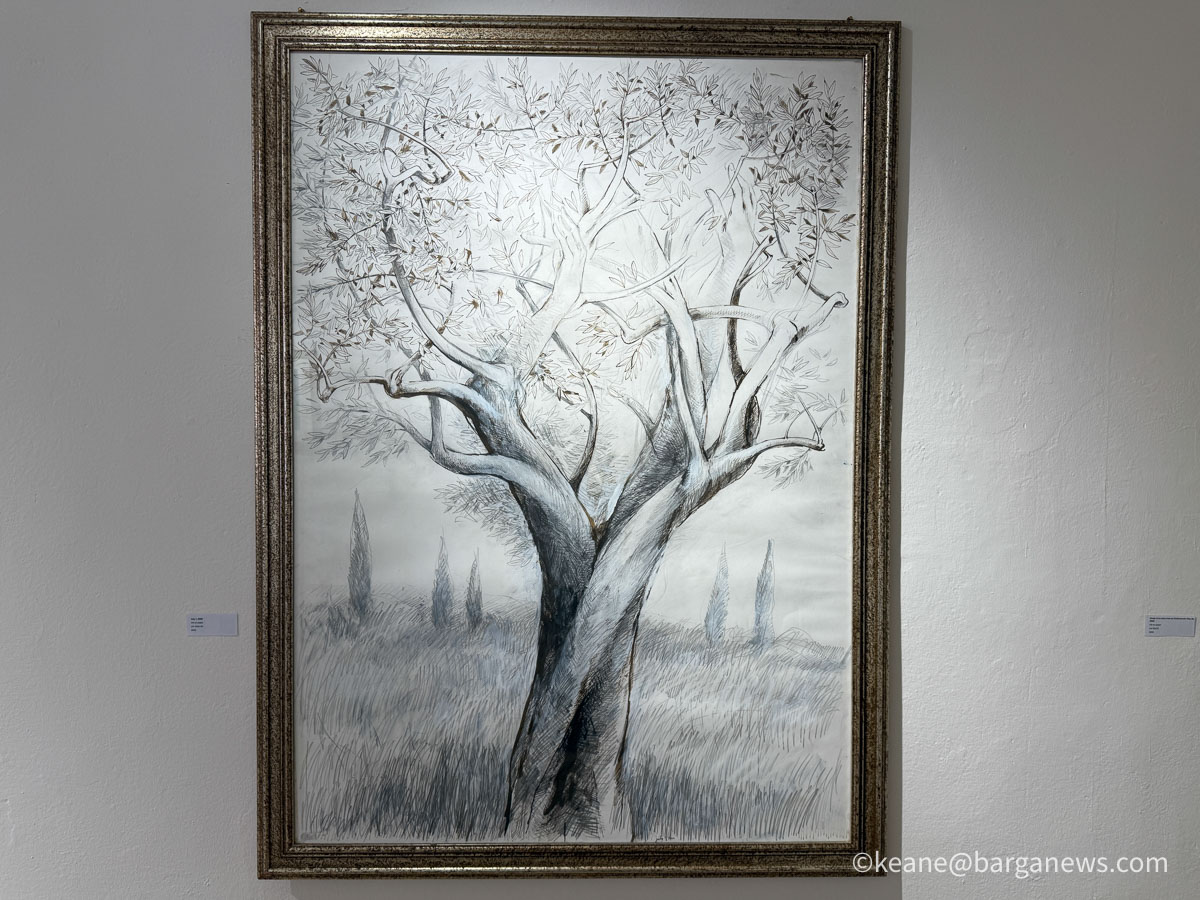
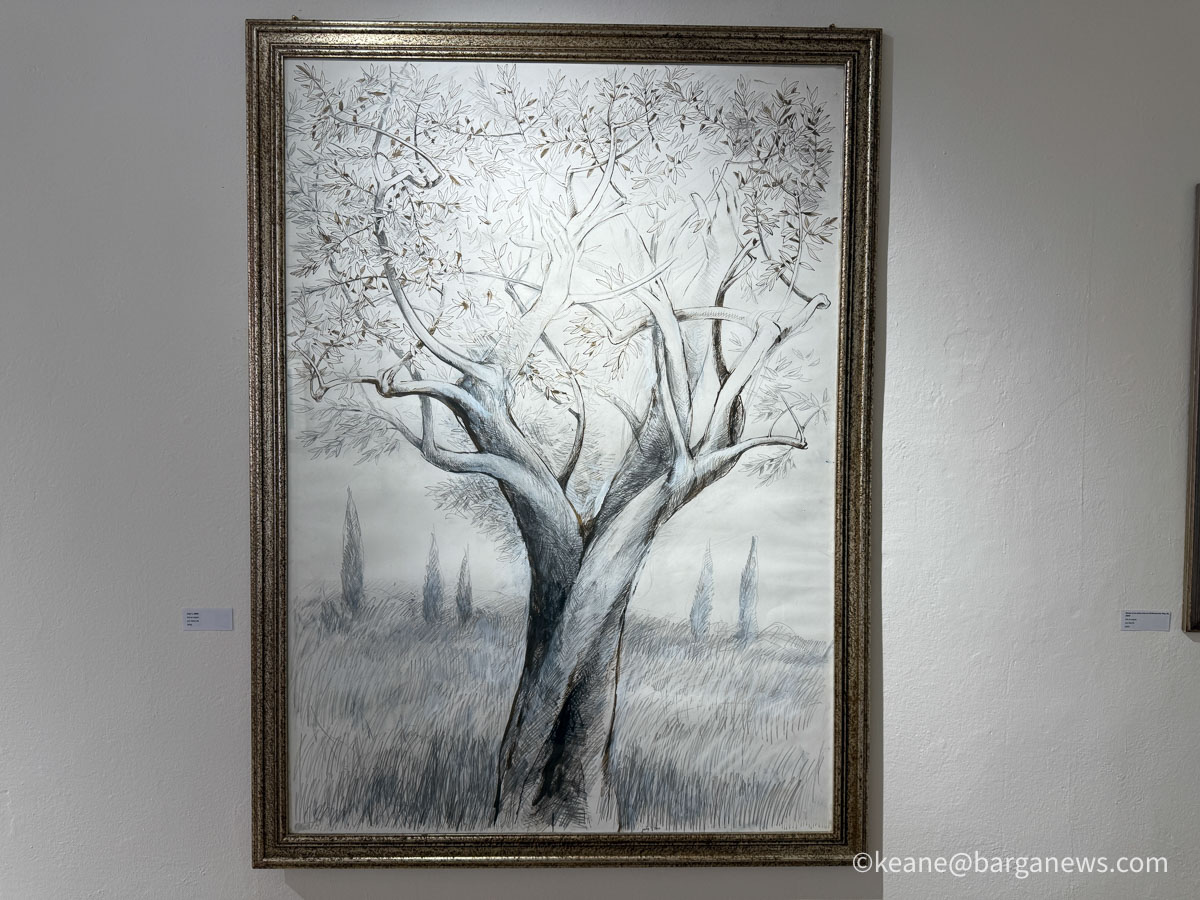
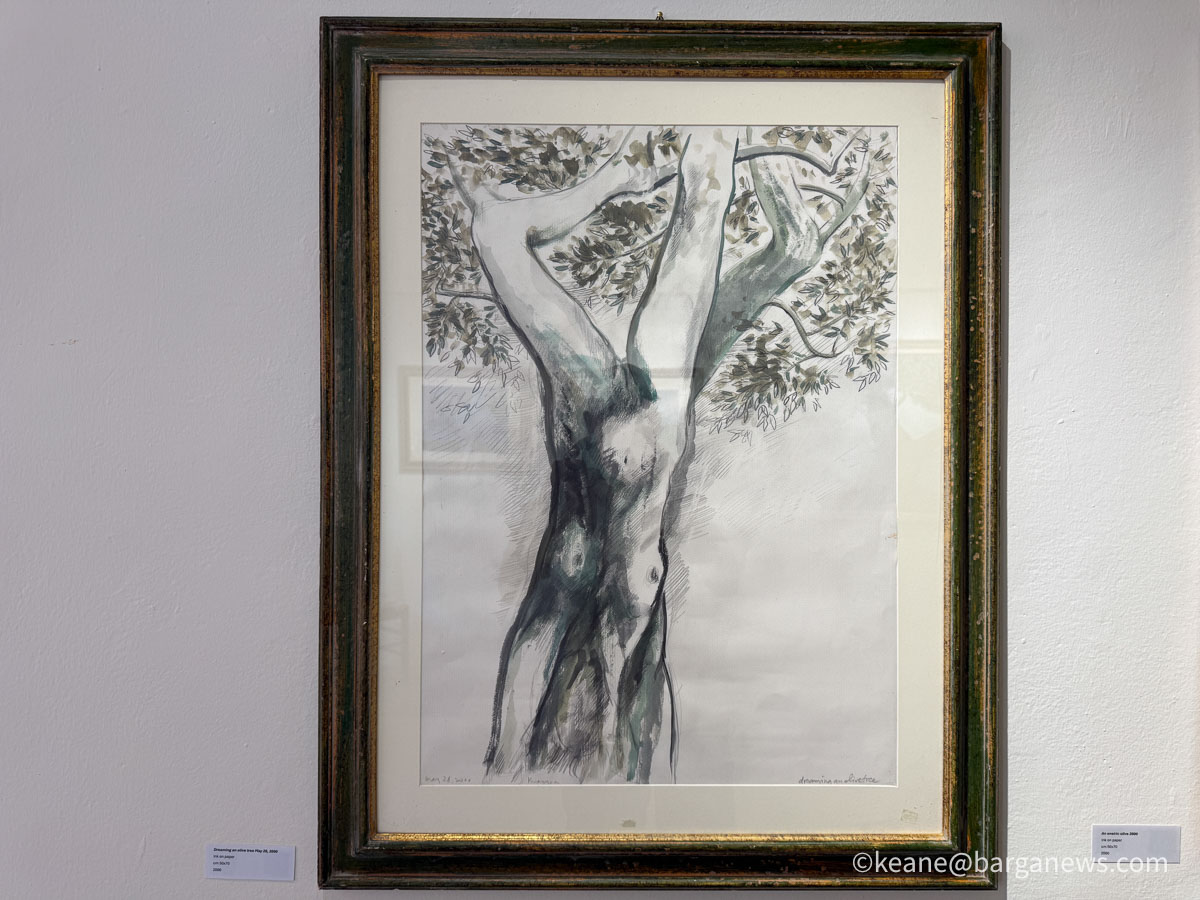
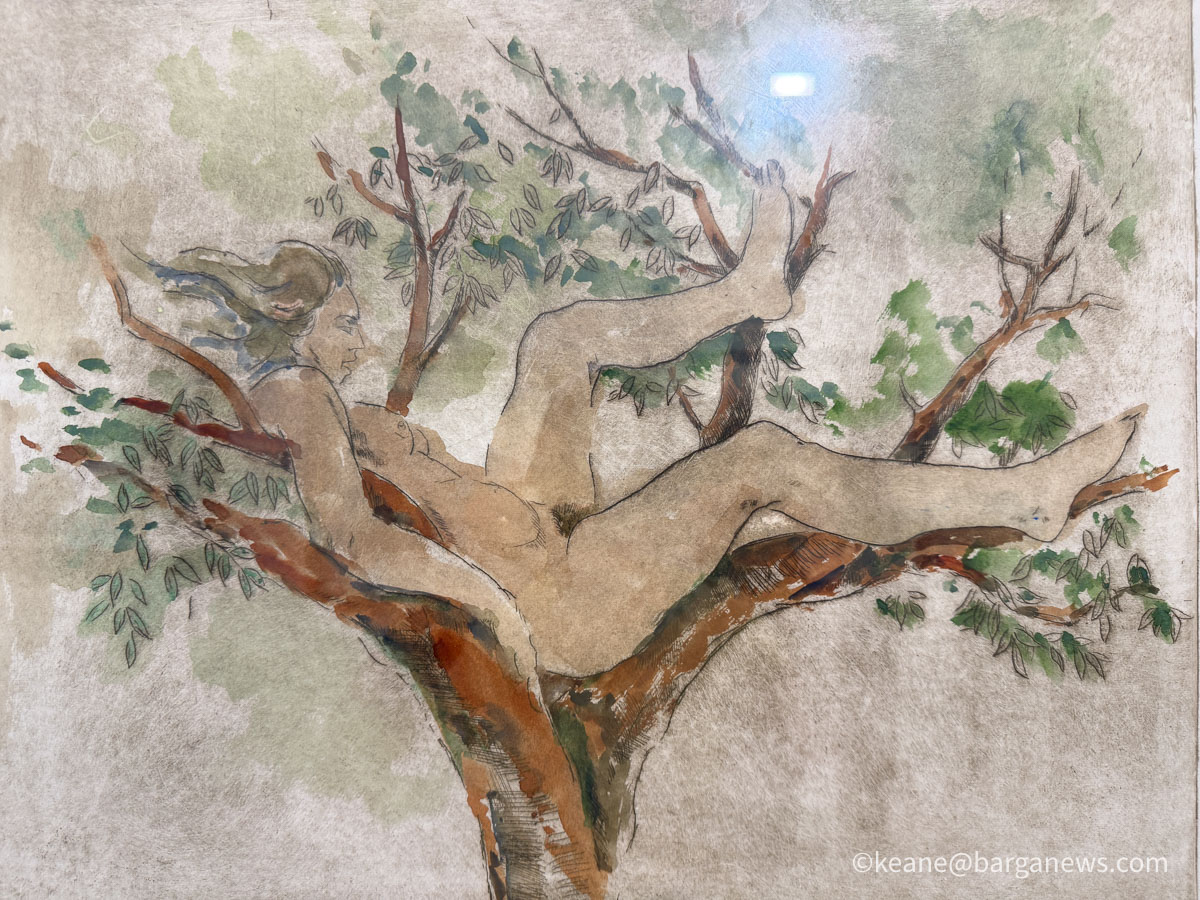
Anyone familiar with the work of Swietlan “Nick” Kraczyna will know how the female figure is almost ever-present throughout his art: sometimes suggested discreetly and subtly, at other times leaving little to the imagination. Whether it is the sinuous outline of a mountain range, the twisting trunks of an olive tree, or the intertwined bodies of a couple locked in a passionate embrace, a trace of feminine sensuality is always present. Dancing Olive Trees and Other Trees is no exception.
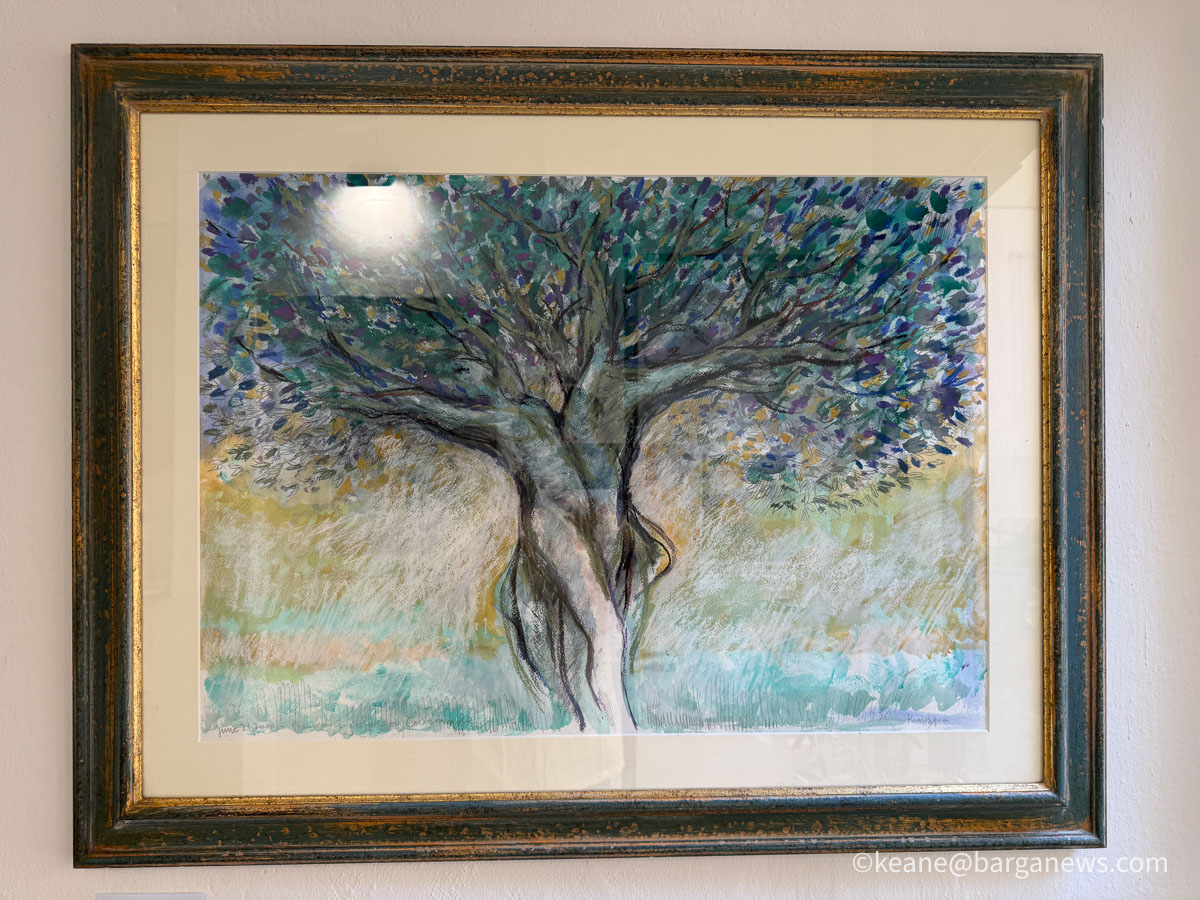
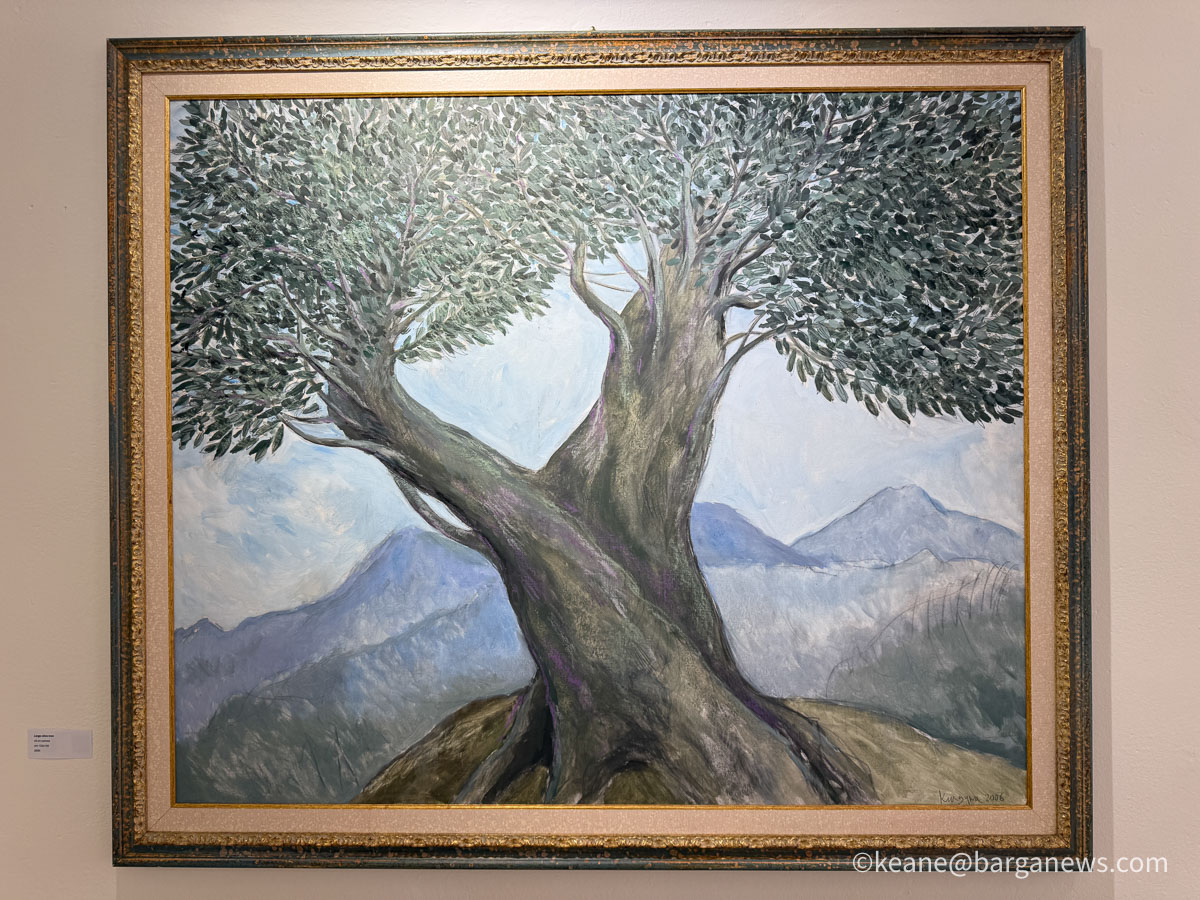
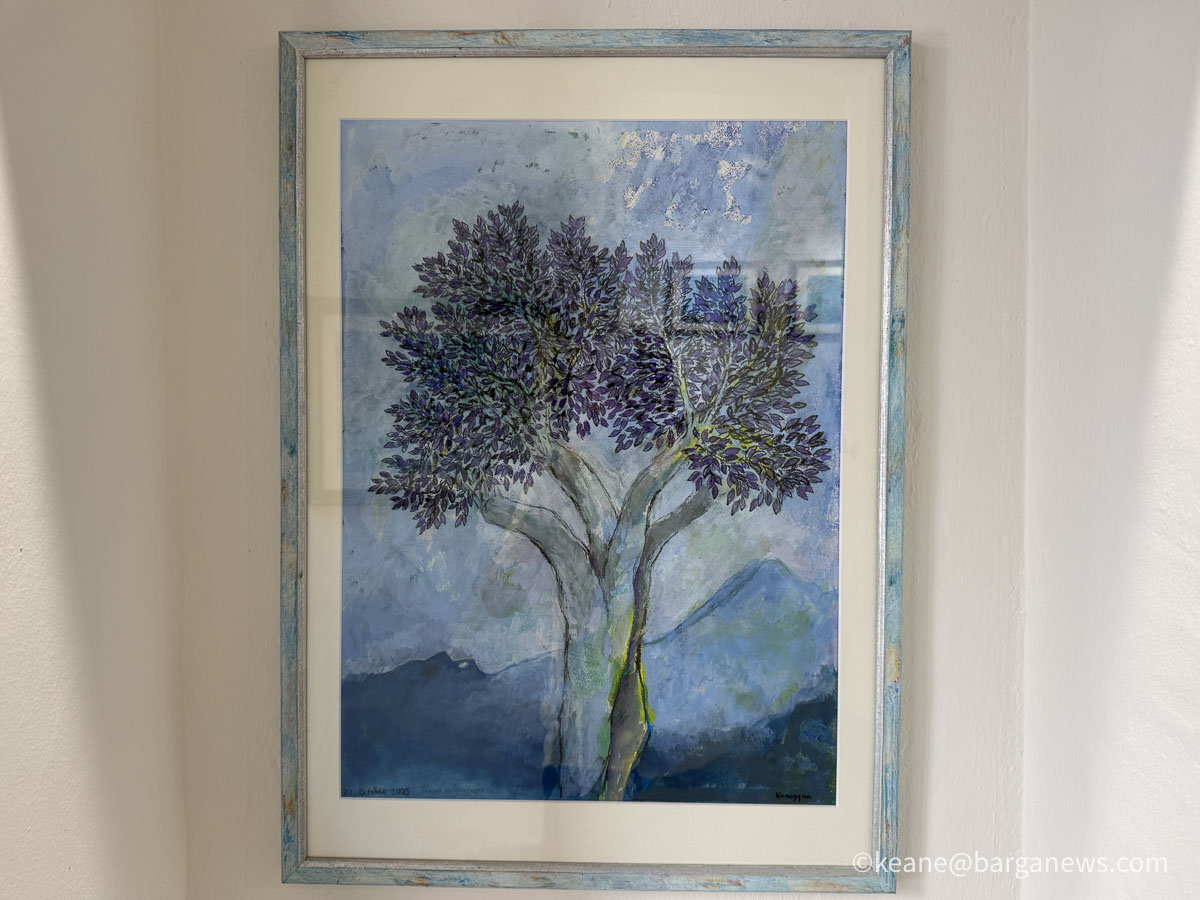
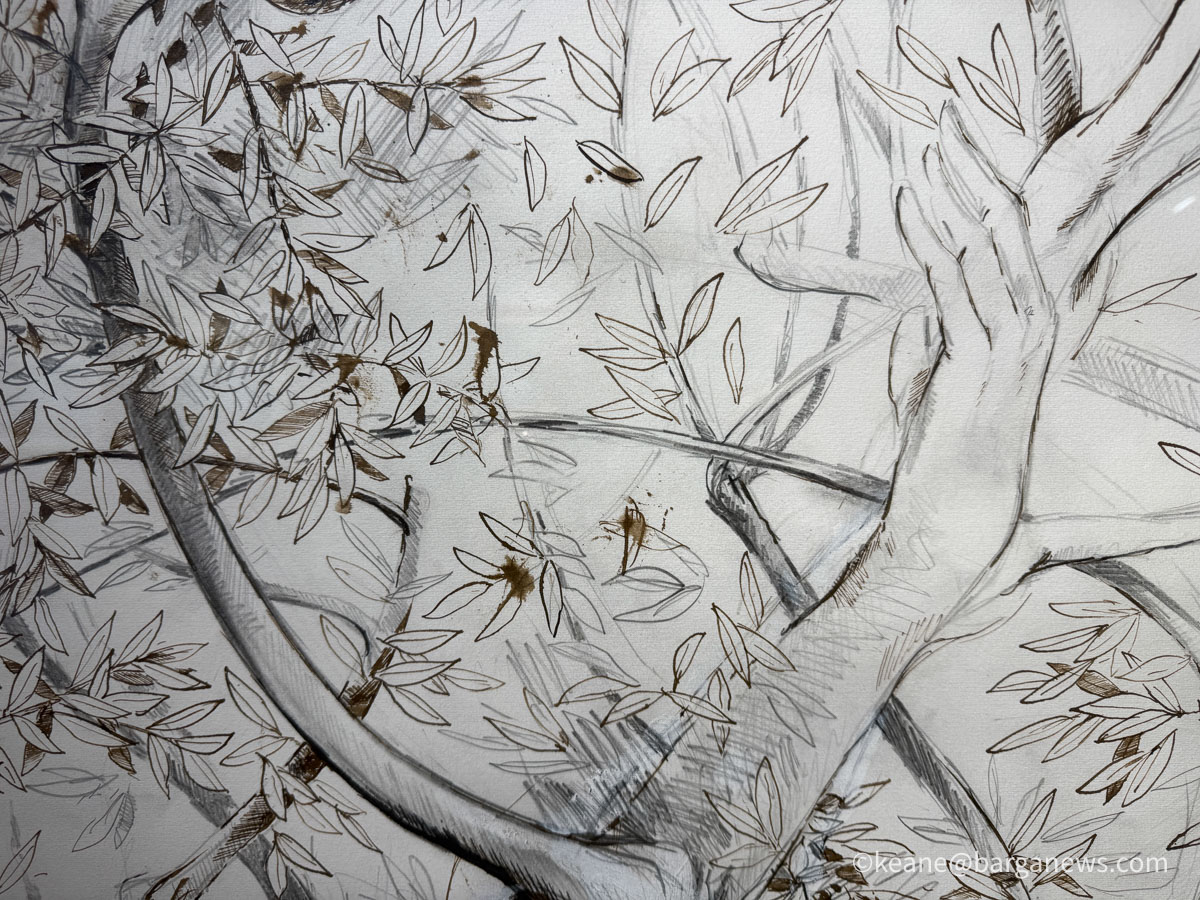
Olive trees are fascinating… it takes very little imagination to see them as figures in torment, in ecstasy, or in dance. On various occasions I have explored the theme of metamorphosis, where human figures transform into trees. But this time I decided to transform the trees into figures, creating a transfiguration. For three years, with both open and closed eyes, I observed the olive trees outside my window and those within my mind. — Kraczyna, A Work of 30 Years, 2003
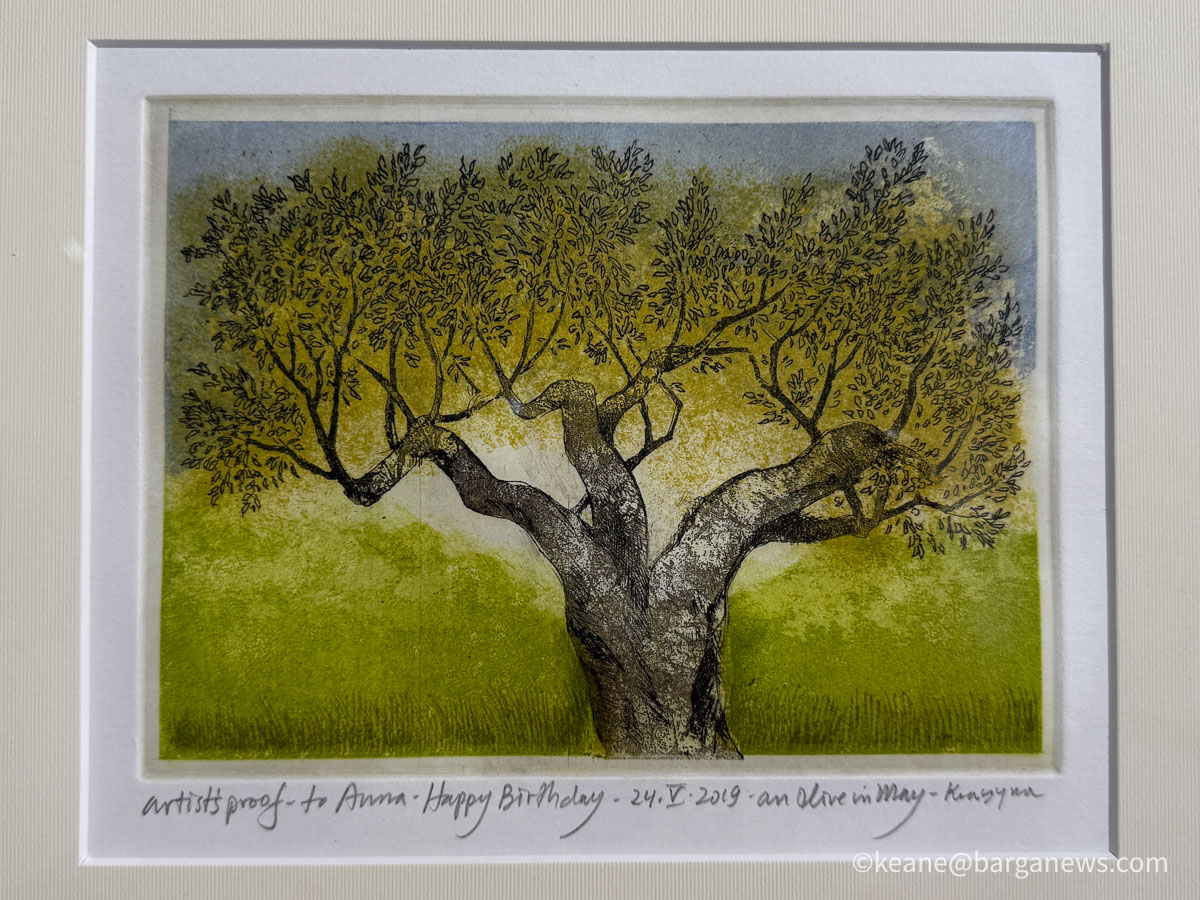
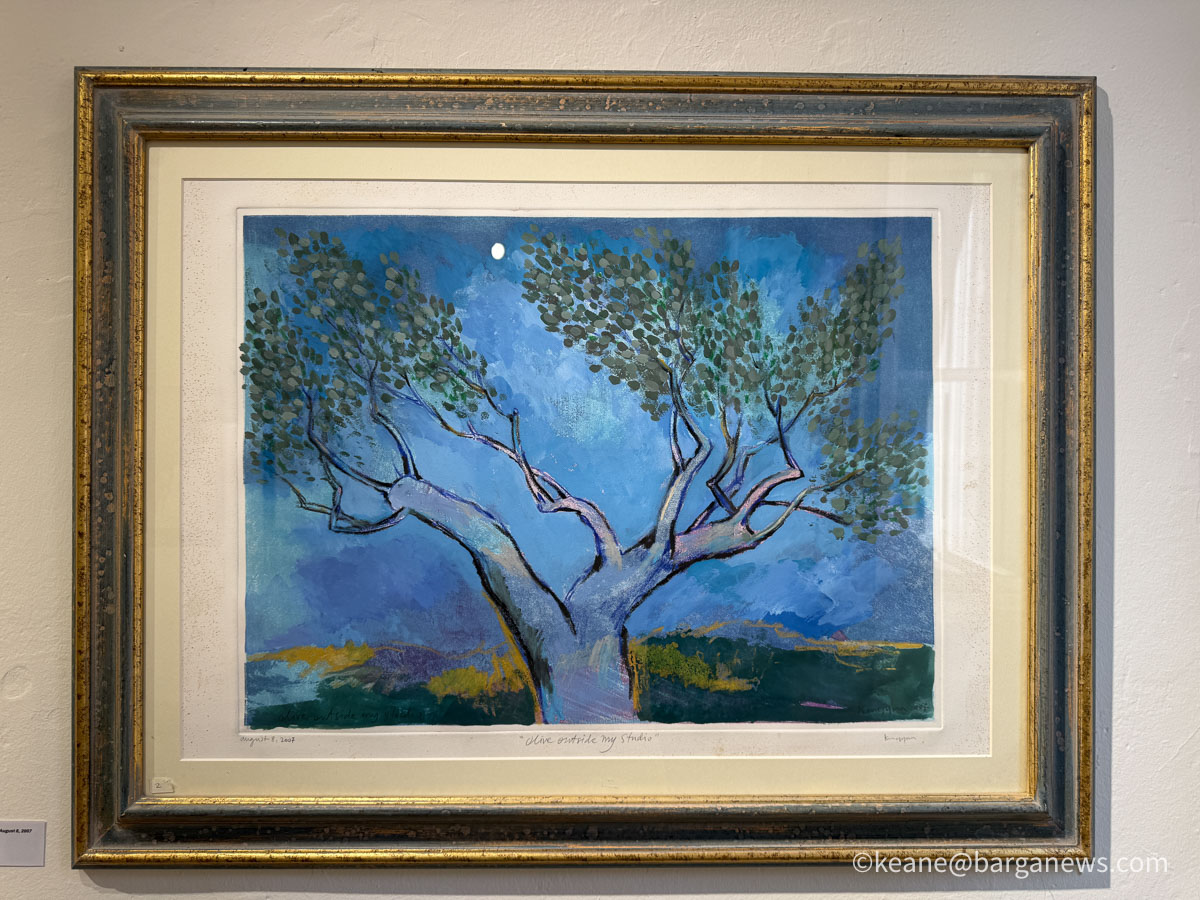
Kraczyna was often captivated by the feminine qualities of the olive trees surrounding his studio in the hills overlooking Florence. In his imagination, he saw torsos, legs and arms emerging, stretching, bending and intertwining, taking on the forms of the human body. Limbs reaching skywards became branches, shoots and leaves, while the trunks remained firmly rooted in the earth. A gentle breeze seemed to breathe life into everything it touched, causing the branches to sway from side to side. The rich green of the trees stood out against the blue of the daytime sky or the red and blue hues of sunset. Light animated the landscape, continually creating new and ever-changing forms.
In the summer of 2025, Kraczyna proposed to the Comune di Barga the idea of staging an exhibition dedicated to his dancing olive trees as part of the 2026 summer programme. However, the opportunity to create new works on the theme came to an abrupt end with his sudden death on 1 February 2026. The long, intense and remarkably prolific artistic career of Kraczyna nevertheless makes it possible to fulfil his intentions in his absence through the extensive body of work he had already created.
Dancing Olive Trees and Other Trees brings together more than twenty-five works of varying sizes and created using a range of different techniques, produced by Kraczyna between 1967 and 2025.
The exhibition is open to the public at the Galleria Comunale di Barga, Via di Borgo 18, from 1 to 23 August 2026.
Opening Hours
Thursday and Friday: 5.00 pm – 7.30 pm
Saturday and Sunday: 11.00 am – 1.00 pm and 5.00 pm – 7.30 pm
Swietlan “Nick” Kraczyna’s Dancing Trees by Frank Viviano
The olive tree, in the evocative shimmering of its leaves and the luxurious fecundity of its fruit, has held a central role in Mediterranean life since time immemorial. First cultivated in the ancient levantine groves of today’s Syria and Lebanon, it captivated the pharaohs of Egypt, the philosophers of Greece and the far-flung legions of imperial Rome. Athena, goddess of wisdom, gifted it to her namesake city of Athens. Olive wreaths adorned the pharaohs in their tombs.
The Mount of Olives in Jerusalem was sacred to Jews and early Christians alike two thousand years ago, as well as to their successors today. The painters Vincent Van Gogh, Henri Matisse and Salvador Dali featured the olive tree in scores of their canvases.
Inevitably, it moved the heart and imagination of Barga’s Swietlan “Nick” Kraczyna, who passed away last February at age 85. Born amidst the unprecedented violence of World War II, sheltered in refugee camps until he was 11 years old, Kraczyna found the peace necessary to his creative life in the olive groves of Tuscany. The olive branch is at once a principal symbol of both peace and pleasure.
In a glorious array of watercolors, engravings and other media, his first posthumous exhibition celebrates that suggestive duality with bursts of Mediterranean color: Green and blue-green leaves, sometimes bold other times muted, framed by branches that shade from ivory into charcoal gray. The sublime natural palette of Italy’s rustic hills and their azure bordering seas.
The olive’s suggestive power is addressed most alluringly in sensual limbs that conjure reclining women in a state of ecstasy — and in some instances, they appear to have fully assumed ecstatic human form. They invoke an extraordinary cycle of myths based on the Greek concept of metempsychosis, “the soul’s transmigration,” a subject closely studied by Plato in the Fourth Century BC that profoundly influenced modern psychology’s view of erotic longing.
No grounding in psychology or classical thought is necessary to decode the effect. It is inescapably evident in Kraczyna’s works. These highly sensual olive tree images reference his more explicit decades-long exploration of erotic themes.
In addition to the olive, the mostra includes works devoted to another tree with deep cultural roots in the Mediterranean Basin: the Commiphora myrrh, a primal source of oils and perfumes used in traditional medicine and rituals dating back at least three millennia. In Pharaonic Egypt it was employed in embalming the dead. Soldiers in Classical Greece carried myrrh into battle for use as an antiseptic. The biblical Three Kings offered it to the infant Jesus as a luxurious ingredient in incense. Nick Kraczyna, from afar, offers it to Barga.
All articles from the 8 times Pulitzer Prize nominated journalist/ best selling author and barganews staff reporter Frank Viviano can be seen here




Dipinti e incisioni di Swietlan Nicholas Kraczyna – Testo di Sylvia Hetzel
Olivi 1999–2001
Chi conosce l’opera di Swietlan “Nick” Kraczyna sa quanto la figura femminile sia quasi onnipresente nella sua produzione artistica: talvolta suggerita con discrezione e sottigliezza, altre volte in modo molto più esplicito. Che si tratti del profilo sinuoso di una catena montuosa, dei tronchi contorti di un ulivo o dei corpi intrecciati di una coppia avvinta in un appassionato abbraccio, una traccia di sensualità femminile è sempre presente. Olivi danzanti e altri alberi non fa eccezione.
Gli ulivi sono affascinanti… ci vuole pochissima immaginazione per vederli come figure in tormento, in estasi o in danza. In varie occasioni ho esplorato il tema della metamorfosi, in cui figure umane si trasformano in alberi. Questa volta, però, ho deciso di trasformare gli alberi in figure, creando una trasfigurazione. Per tre anni, ad occhi aperti e ad occhi chiusi, ho osservato gli ulivi fuori dalla mia finestra e quelli che vivevano nella mia mente. — Kraczyna, Un lavoro di 30 anni, 2003
Kraczyna rimase a lungo affascinato dalle qualità femminili degli ulivi che circondavano il suo studio sulle colline che dominano Firenze. Nella sua immaginazione vedeva busti, gambe e braccia emergere, allungarsi, piegarsi e intrecciarsi fino ad assumere le forme del corpo umano. Arti protesi verso il cielo si trasformavano in rami, germogli e foglie, mentre i tronchi rimanevano saldamente radicati alla terra. Una brezza leggera sembrava infondere vita a tutto ciò che sfiorava, facendo ondeggiare i rami da una parte all’altra. Il verde intenso degli alberi risaltava contro l’azzurro del cielo diurno o contro le tonalità rosse e blu del tramonto. La luce animava il paesaggio, creando continuamente forme nuove e sempre diverse.
Nell’estate del 2025 Kraczyna propose al Comune di Barga di organizzare una mostra dedicata ai suoi Olivi danzanti nell’ambito del programma estivo del 2026. La possibilità di realizzare nuove opere sul tema venne però improvvisamente interrotta dalla sua scomparsa, avvenuta il 1° febbraio 2026. La lunga, intensa e straordinariamente prolifica carriera artistica di Kraczyna rende tuttavia possibile realizzare il suo progetto anche in sua assenza, grazie al vasto corpus di opere che aveva già creato.
Olivi danzanti e altri alberi riunisce oltre venticinque opere di diverse dimensioni e realizzate con differenti tecniche, create da Kraczyna tra il 1967 e il 2025.
La mostra è aperta al pubblico presso la Galleria Comunale di Barga, in Via di Borgo 18, dal 1° al 23 agosto 2026.
Orari di apertura
Giovedì e venerdì: 17.00 – 19.30
Sabato e domenica: 11.00 – 13.00 e 17.00 – 19.30
Swietlan “Nick” Kraczyna’s Dancing Trees by Frank Viviano
L’ulivo, con l’evocativo scintillio delle sue foglie e la rigogliosa fecondità dei suoi frutti, occupa da tempo immemorabile un ruolo centrale nella vita mediterranea. Coltivato per la prima volta negli antichi uliveti del Levante, nei territori che oggi corrispondono alla Siria e al Libano, affascinò i faraoni d’Egitto, i filosofi della Grecia e le legioni dell’Impero romano spinte fino ai confini più remoti. Atena, dea della sapienza, lo donò alla città di Atene, che da lei prese il nome. Corone di ulivo adornavano i faraoni nelle loro tombe.
Il Monte degli Ulivi a Gerusalemme era sacro tanto agli ebrei quanto ai primi cristiani duemila anni fa, così come lo è ancora oggi per i loro discendenti. Pittori quali Vincent van Gogh, Henri Matisse e Salvador Dalí hanno raffigurato l’ulivo in decine di loro opere.
Era inevitabile che questo albero toccasse anche il cuore e l’immaginazione di Swietlan “Nick” Kraczyna, artista di Barga scomparso lo scorso febbraio all’età di 85 anni. Nato nel pieno della violenza senza precedenti della Seconda guerra mondiale e vissuto nei campi profughi fino all’età di undici anni, Kraczyna trovò negli uliveti della Toscana la pace necessaria alla propria vita creativa. Il ramo d’ulivo è, allo stesso tempo, uno dei principali simboli della pace e del piacere.
Attraverso una splendida serie di acquerelli, incisioni e opere realizzate con altre tecniche, la sua prima mostra postuma celebra questa suggestiva dualità con esplosioni di colore mediterraneo: foglie verdi e verde-azzurre, talvolta intense, talvolta più sommesse, incorniciate da rami le cui tonalità sfumano dall’avorio al grigio antracite. È la sublime tavolozza naturale delle colline agresti italiane e dei mari azzurri che ne delimitano i confini.
Il potere evocativo dell’ulivo trova la sua espressione più seducente in forme sensuali che richiamano donne distese in uno stato di estasi e che, in alcuni casi, sembrano aver assunto pienamente sembianze umane. Queste immagini rimandano a uno straordinario ciclo di miti fondati sul concetto greco della metempsicosi, la «trasmigrazione dell’anima», tema studiato attentamente da Platone nel IV secolo a.C. e destinato a influenzare profondamente la concezione moderna del desiderio erotico in ambito psicologico.
Non occorre conoscere la psicologia o il pensiero classico per decifrarne l’effetto. Nelle opere di Kraczyna esso appare con assoluta evidenza. Queste immagini di ulivi, cariche di sensualità, richiamano la sua più esplicita esplorazione dei temi erotici, portata avanti nel corso di diversi decenni.
Oltre all’ulivo, la mostra comprende opere dedicate a un altro albero dalle profonde radici culturali nel bacino del Mediterraneo: la Commiphora myrrha, antichissima fonte di oli e profumi impiegati nella medicina tradizionale e nei rituali da almeno tre millenni. Nell’Egitto faraonico veniva utilizzata per l’imbalsamazione dei defunti. I soldati della Grecia classica portavano la mirra in battaglia per usarla come antisettico. I Re Magi della tradizione biblica la offrirono a Gesù Bambino come prezioso ingrediente per l’incenso. Da lontano, Nick Kraczyna la offre a Barga.
Tutti gli articoli del giornalista candidato otto volte al Premio Pulitzer, autore di bestseller e redattore di barganews Frank Viviano sono disponibili qui.